Table of Contents
Stomach Cancer in India: Why Diagnosis Comes Late

By Dr. Gajendra Kumar Himanshu



Stomach cancer is one of the diseases that is typically identified at a later stage in many people in India. This delay is because the early symptoms may be minor, ambiguous, and confused with typical digestive disorders such as acidity, indigestion, bloating, or loss of appetite. Many people overlook these symptoms for weeks or even months, thinking they are due to diet or usual stomach problems. Limited awareness, delayed medical appointments, and variations in access to healthcare can also lead to late diagnoses.
Although late diagnosis in the course of the disease may complicate treatment planning, early identification of ongoing symptoms and prompt medical assessment may assist physicians in diagnosing the disease earlier. Decisions for treatment should always be made in the context of individual risk factors, family history, findings of genetic testing, general health, and advice from a skilled healthcare expert.
In this blog, we will tell you why stomach cancer is identified late in India, what the warning signs are that people should not overlook, what factors contribute to delays, and how early medical attention can help in better treatment planning.
Understanding Cancer of the Stomach
Stomach cancer is a condition in which abnormal cells start developing in the lining of the stomach.
The stomach is an important part of digestion because it helps to break down food before it travels into the intestines.
Many cancers, including stomach cancer, can grow over time. This is one reason why diagnosis can be delayed, because it may not produce any noticeable symptoms in its early stages.
Why Diagnosis Is Often Late
Most of the time, a late diagnosis doesn’t happen for just one reason. A few things can cause it.
Early Symptoms Can Resemble Common Digestive Issues
Many of the early symptoms of stomach cancer are similar to those of common stomach ailments. These may include:
- Heartburn
- Acidity
- Gas
- Feeling full quickly
- Mild stomach upset
- Loss of appetite
These symptoms are frequent; therefore, many people may not see a doctor straight away.
Symptoms Can Develop Slowly
In some circumstances, symptoms develop slowly over a period of time. The discomfort may be ignored or blamed on diet, stress, or the digestive changes that come with aging.
When to Seek Medical Care
Some people will wait until they are quite sick before they go to a doctor. Reasons may include:
- Hectic schedules
- Money concerns
- Lack of awareness
- Having only mild symptoms
- Self-treatment of digestive problems
This may lead to delayed diagnosis and treatment planning.
Warning Signs You Must Not Ignore
These symptoms don’t usually signify cancer, but health care professionals should be consulted for persistent symptoms.
Possible warning indicators are:
- Persistent indigestion
- Unexplained weight loss
- Persistent stomach discomfort
- Loss of interest in food
- Bloating after eating small amounts
- Nausea or vomiting
- Fatigue
- Trouble swallowing in some cases
If symptoms persist or worsen over time, medical evaluation may be necessary.
A Practical Guide to Everyday Symptoms
Sign | Why you may require medical care |
|---|---|
Constant indigestion | Could need additional assessment |
Unexplained loss of weight | Could signal an underlying health problem |
Decreased appetite | Requires medical examination (if continuing) |
Stomach ache | Assess continuous pain |
Feeling of fullness | May need additional testing |
Continuing fatigue | May have multiple causes requiring inquiry |
Who Might Be at Increased Risk?
Not all people who have stomach cancer have known risk factors. But doctors may take into account things such as:
- Growing older
- Family history of stomach cancer
- Some stomach illnesses
- Tobacco
- Chronic gastritis
- Previous stomach problems
- Some inherited genetic factors
Risk factors do not guarantee that a person will necessarily acquire cancer. They just provide clinicians with a sense of total risk.
How Doctors Work Up Stomach Cancer
If symptoms are concerning, doctors may order several tests.
Medical History and Physical Exam
Doctors usually start by looking at:
- Signs and symptoms
- Medical history
- Family history
- Current health status
- Lifestyle factors
Endoscopic Exam
One of the most significant exams to evaluate the stomach is an endoscopy. It uses a thin, flexible tube with a camera to see within the stomach and find any abnormal spots.
Biopsy
If an atypical area is seen, a tiny sample of tissue may be removed. Specialists check the tissue in a laboratory to see whether there are any cancer cells.
Imaging Examinations
Doctors may also use:
- CT scans
- MRI scans
- PET scans in some circumstances
These tests help doctors learn how far the disease has spread and plan treatment.
Why Awareness Is Important
Several stomach cancer symptoms are similar to those of typical digestive disorders. Therefore, it is necessary to be attentive. People should consider speaking to a doctor if symptoms:
- Last longer than expected
- Come again and again
- Become worse
- Affect daily eating or living
Early assessment does not automatically mean cancer is present, but it can help find the origin of symptoms sooner.
Getting More From Trusted Sources
Reliable information helps patients and families understand stomach cancer and treatment options.
For more educational resources on cancer diagnosis, treatment, and supportive care, visit the National Cancer Institute, where patients and caregivers may access credible information.
Looking Forward With Hope
While stomach cancer may be found later than expected, knowing the symptoms and seeking medical assessment quickly can make all the difference. Advances in imaging, pathology, and cancer treatment continue to enhance the way doctors diagnose and treat cancer of the stomach.
Every circumstance is different. Decisions regarding testing, treatment, monitoring, and supportive care should always be guided by individual risk factors, family history, results of genetic testing, overall health, and recommendations of the healthcare team.
Consult Today
Stomach cancer is usually identified in an advanced stage in India, as the early signs are similar to those of typical stomach ailments such as acidity, indigestion, and bloating. Late diagnosis may result from delays in seeking medical care, inadequate awareness of warning indications, or symptoms developing over time. Noting ongoing symptoms and raising concerns with a doctor may help promote earlier evaluation and treatment planning. Your risk factors, family history, findings of genetic testing, your overall health, and advice from your doctor should always be the basis for treatment decisions.
Oncare Cancer Hospital is a name you can trust for expert guidance, comprehensive cancer care, and caring patient support through diagnosis, treatment, recovery, and survivorship.





Frequently Asked Questions
Stomach cancer is a cancer that starts in the cells lining the stomach.
Early symptoms may mimic typical digestive issues such as indigestion, acidity, or bloating, and this can cause a delay in seeking medical assessment.
Common symptoms are indigestion that doesn’t go away, weight loss, stomach pain, loss of appetite, and feeling full quickly.
It is crucial to ask for medical care if symptoms persist for a long time, keep recurring, or get worse.
Written and Verified by:
Dr. Gajendra Kumar Himanshu Exp: 10 Yr
Medical Officer
Book an Appointment
Related Blogs

Rising Cases of Stomach Cancer in Young Adults: What You Should Know
Learn why stomach cancer is rising in young adults, its early symptoms, and prevention tips. Get expert guidance from Oncare Cancer Hospital for timely care.
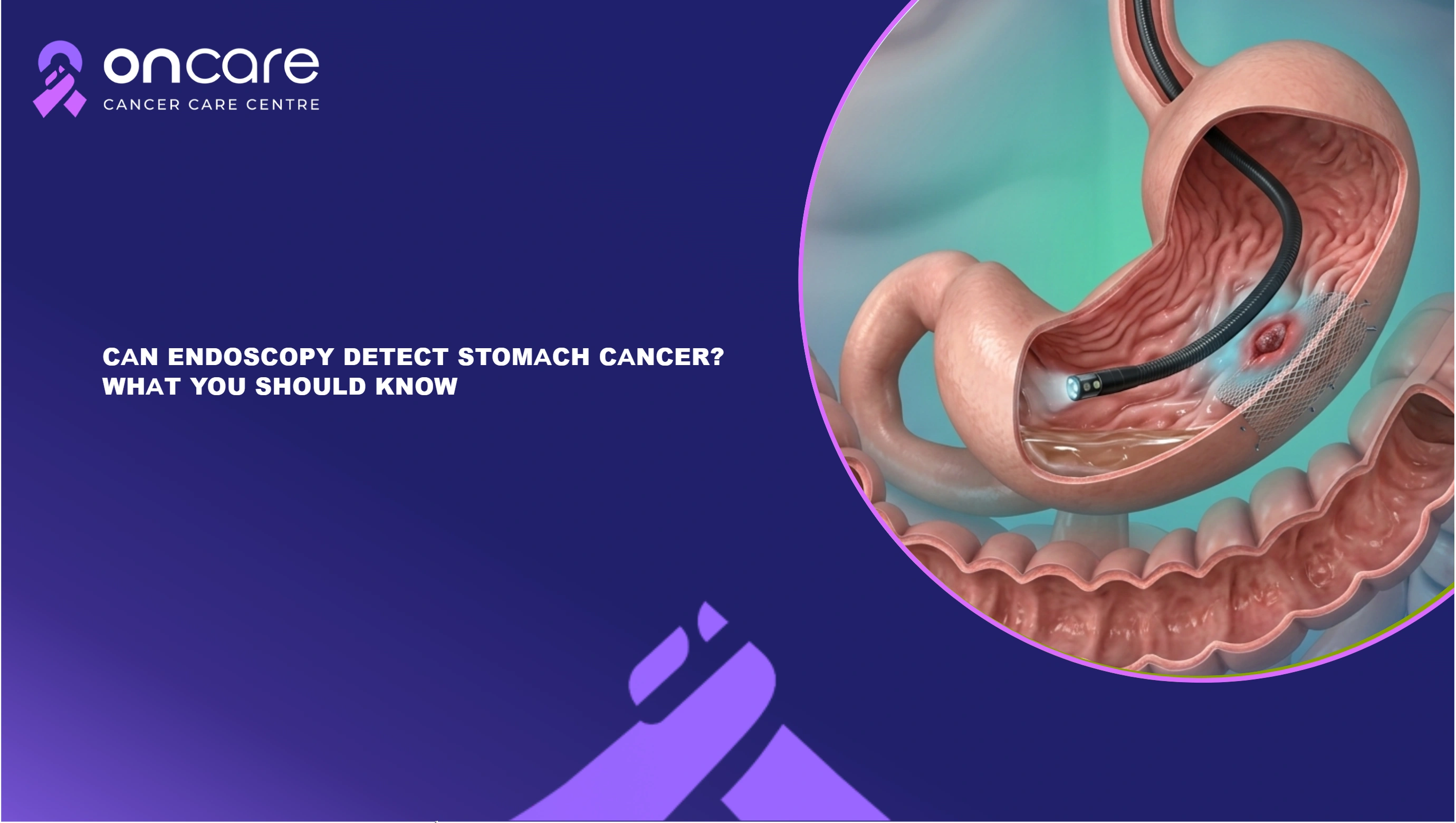
Can Endoscopy Detect Stomach Cancer? What You Should Know
Can endoscopy detect stomach cancer? Learn how it works, warning signs, accuracy, and when to get tested. Expert care available at Oncare Cancer Hospital.
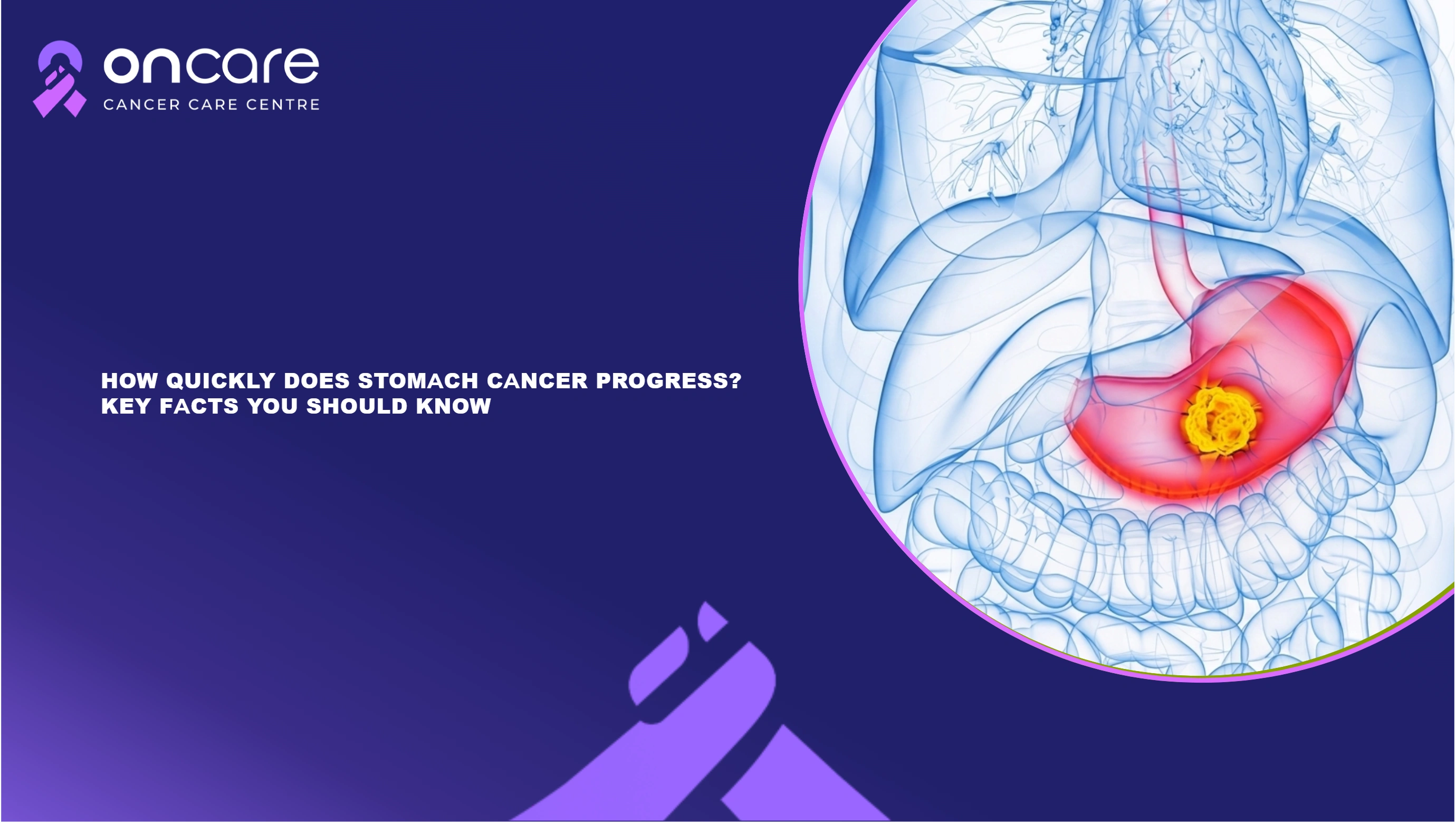
How Quickly Does Stomach Cancer Progress? Key Facts You Should Know
Learn how fast stomach cancer can grow and spread, signs to watch, and treatment options to slow it. Get expert care at Oncare Hospital for early detection.

Is Stomach Cancer Hereditary? Genetic Causes and Risk Factors
Learn if stomach cancer runs in families, risk factors, and prevention tips. Get expert guidance and care at Oncare Hospital for early detection and treatment.