Table of Contents
Cancer in Senior Citizens: Treatment Decisions When You Have Other Health Conditions

By Dr. Gajendra Kumar Himanshu


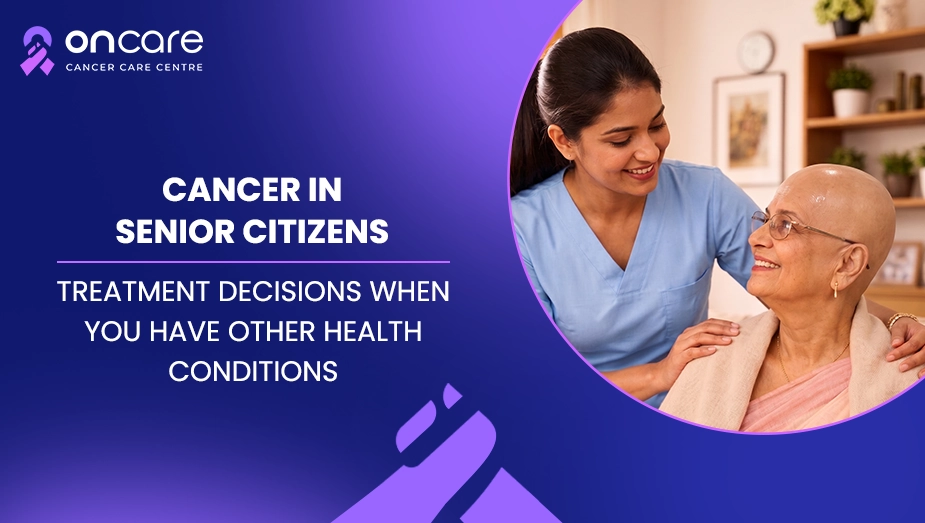
Cancer treatment in elderly individuals often requires a more tailored approach, as many older adults may be coping with other health disorders, including diabetes, heart disease, high blood pressure, kidney problems, lung illness, or arthritis. Having another medical condition doesn’t immediately exclude cancer therapy, but it may affect what treatments are most suited and how they are administered. Before suggesting a treatment plan, the doctor will consider the person’s general health, the type and stage of the cancer, the person’s age and personal goals, the person’s current medications, and how well the person can do everyday activities.
Many elderly persons do well with cancer therapy and have a good quality of life. Knowing how treatment decisions are made can assist patients and families in feeling more educated, confident, and engaged in planning care. What is the best treatment for any one person depends on risk, family history, findings of genetic testing, overall health, and the advice of a physician.
In this blog, we will discuss how decisions are made for the treatment of cancer in older persons, how other health issues factor into therapy, what treatment considerations are typical, and how patients and families can engage closely with healthcare teams.
Understanding Cancer Care for Older Adults
As we grow older, most of us have health problems. Older persons may have more than one medical problem at the same time. When cancer is diagnosed, doctors look at the whole individual - not just the cancer.
They might consider:
- Overall physical health
- Pre-existing health issues
- Current medicines
- Ability to do the tasks of daily living
- Nutrition status
- Emotional wellbeing
- Personal therapy aims
This bigger picture helps care providers develop a treatment plan that is safe and right for every person.
Other Health Conditions Matter
Sometimes other health problems can influence how cancer treatment is planned. Some conditions may need tighter monitoring, such as:
- Cardiac disease
- Diabetes mellitus
- Renal disease
- Lung disorders
- Liver disease
- Mobility impairments
This does not mean that treatment cannot be given. It basically means doctors might have to tailor the treatment based on the patient's general condition.
Looking Beyond Just Age
Many people think that age alone influences the therapy possibilities. In fact, doctors pay more attention to these aspects:
- Overall health
- Strength of the body
- Independence
- Medical history
- Tolerance of the treatment
Some older people are quite active and healthy, and others may need more support.
How Doctors Evaluate Overall Health
Healthcare teams may do a detailed assessment before proposing treatment. This may include:
- Physical exams
- Blood testing
- Review of medication
- Assessment of everyday living activities
- Nutritional evaluation
- Review of medical conditions
The aim is to understand how the treatment may affect the patient and how to limit the risk.
Cancer Treatment Options for Older Adults
Older adults can be given the same choices for cancer treatment as younger adults. Possible treatments include:
- Chemotherapy
- Surgery
- Radiation treatments
- Immunotherapy
- Targeted treatment
- Hormone treatment
The treatment strategy is always personalised.
Importantly, surgery is not a definite preventive measure, and treatment decisions should always be made based on medical evaluation and specialist recommendations.
Factors Affecting Treatment Decisions
Factor | Why It Matters |
|---|---|
Cancer type | Helps with treatment decisions |
Stage of cancer | Implications for treatment planning |
Health & wellness | Helps determine therapy suitability |
Other health conditions | Could impact treatment decisions |
Medications currently taken | Avoids medication interactions |
Daily living | Independence and recovery ability assessment |
Personal goals | Facilitates joint decision-making |
Weighing Treatment Against Quality of Life
Quality of life is a vital factor for many senior individuals. Doctors may talk about:
- Benefits of treatment
- Possible adverse effects
- What to expect in recovery
- Daily functioning
- Health & comfort
Treatments are often chosen to balance controlling the malignancy with independence and quality of life. What is important to one individual may not be the same for another.
Taking More Than One Medicine
Many older people are already on drugs for various health issues. Doctors often review:
- Drugs prescribed by a doctor
- Over-the-counter medications
- Supplements and vitamins
This aids in identifying potential interactions and promotes safer planning of treatment. Patients should always tell their health care team about all the medicines they are taking.
Why Family and Caregivers Are Important
Family members and caregivers often play a key role in treatment. They might assist with:
- Going to appointments
- Medication management
- Transportation services
- Giving emotional support
- Tracking symptoms
Open communication between patients, family, and health care providers can make the treatment process smoother.
Emotional Well-Being Counts Too
A cancer diagnosis can bring on a range of emotions at any age. Older adults may experience:
- Concern about therapy
- Concerns about independence
- Fear about side effects
- Uncertainty about the future
- Stress from other health concerns
That’s understandable.
Support can be given by:
- Family and friends
- Health care providers
- Therapists
- Support groups
- Social workers
Often, people feel better supported when they are forthright about their problems.
Learn More From Trusted Sources
Reliable information can help patients and families comprehend cancer therapy and ageing better.
If you are a patient or caregiver seeking information about cancer treatment, supportive care, and survivorship, you can visit the National Cancer Institute.
Looking Ahead With Optimism
Many older adults finish their course of cancer treatment and go on to have meaningful, productive lives. As a result of advances in cancer care, the treatment options for older persons have expanded, and customised care has never been more crucial.
Everyone's scenario is different. Treatment selections should always be based on individual risk factors, family history, results of genetic testing, overall health, personal preferences, and the advice of the health care team.
Consult Today
Many elderly citizens’ cancer treatments need to take other health issues, existing medications, overall health and individual goals into account. Having another medical condition does not necessarily mean you are unable to be treated for cancer, but it may affect what is appropriate. Patients and families work in partnership with health care providers to make decisions that weigh the benefits of therapy against quality of life.
Oncare Cancer Hospital is a trusted name for expert guidance, comprehensive cancer care, and compassionate patient support during diagnosis, treatment, recovery, and survivorship.





Frequently Asked Questions
Yes. Many elderly persons are effectively treated for their cancer. Treatment depends on general health and individual circumstances.
Yes. Conditions such as diabetes, heart disease, or kidney difficulties can affect therapy planning and monitoring.
No. Doctors take general health, physical function, medical history, and personal goals into consideration, not just age.
Follow-up appointments allow doctors to evaluate treatment effectiveness, manage side effects, and foster long-term health.
Written and Verified by:
Dr. Gajendra Kumar Himanshu Exp: 10 Yr
Medical Officer
Book an Appointment
Related Blogs
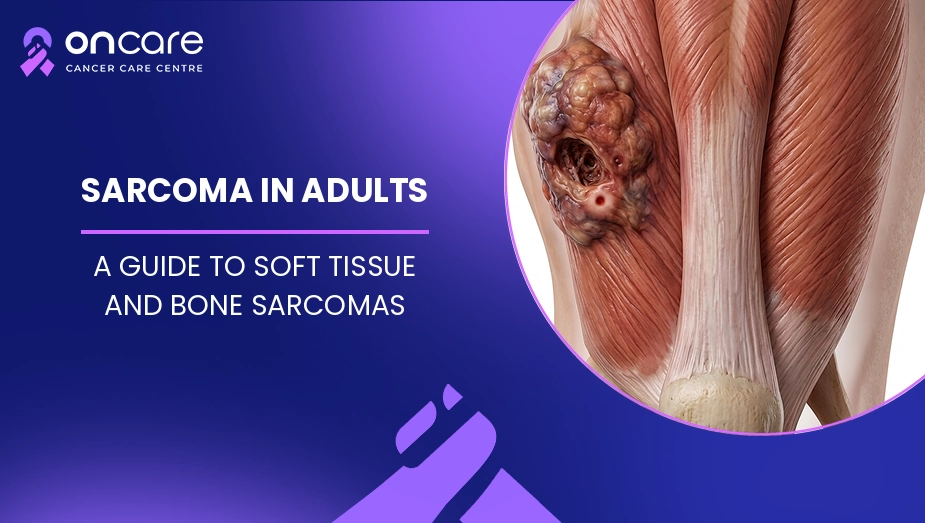
Sarcoma in Adults: A Guide to Soft Tissue and Bone Sarcomas
Learn about soft tissue and bone sarcomas, symptoms, diagnosis, and treatment options with expert cancer care, support, and guidance at Oncare Cancer Hospital.
When the Patient is Elderly: Special Caregiving Tips for Senior Cancer Patients
Learn caregiving tips for elderly cancer patients with Oncare Cancer Hospital. Ensure comfort, safety, and better care for senior patients at home.
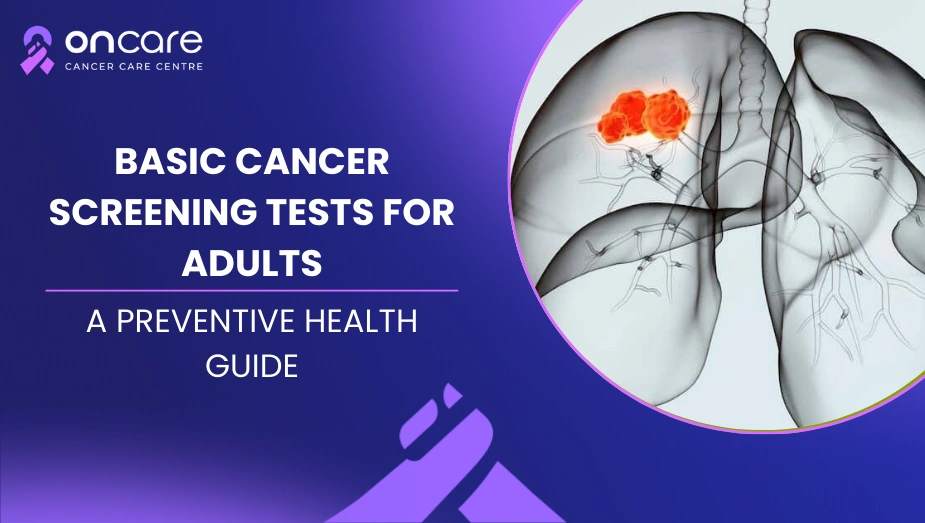
Basic Cancer Screening Tests for Adults: A Preventive Health Guide
Learn about basic cancer screening tests for adults. Trust Oncare Cancer Hospital for early detection, expert guidance, and the best cancer care available.
Brain Cancer Symptoms in Adults vs Children: What to Know
Learn to recognize early brain cancer symptoms in adults and children, including headaches, vision changes, behavior shifts, and balance problems for timely treatment.