Table of Contents
Cancer Treatment During Pregnancy: Balancing Mother and Baby's Safety

By Dr. Gajendra Kumar Himanshu


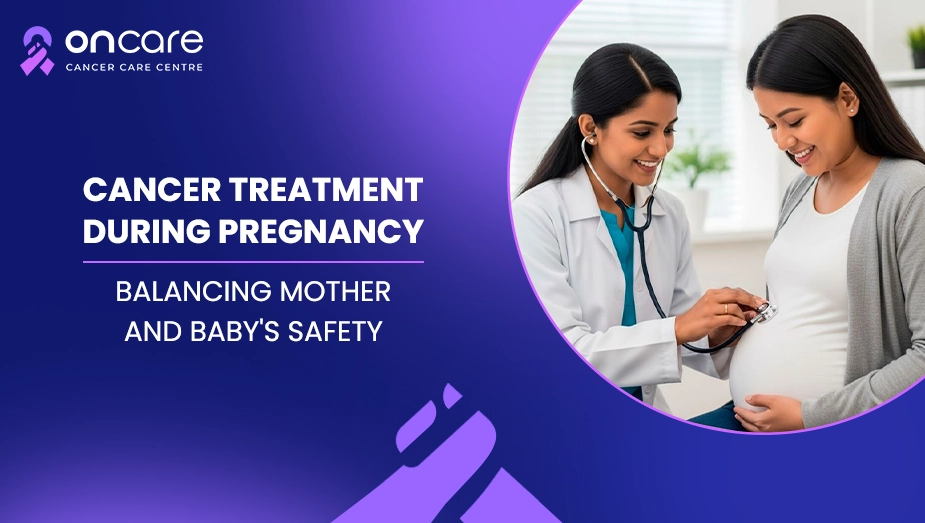
Cancer management in pregnancy is complicated and requires careful planning to protect the well-being of both the mother and fetus. Cancer during pregnancy is rare, but it can occur, and many women can be treated without terminating their pregnancy. Doctors work with other doctors to design a treatment plan after taking into account the type of cancer, the extent of the spread of the disease, the stage of pregnancy, the health of the mother, and the health of the baby.
The goal is to treat the cancer as aggressively as possible, while reducing any potential risks to the pregnancy. Every situation is distinct, and treatment options should always be explored based on your specific risk factors, family history, genetic testing results, overall health and your doctor’s advice.
In this blog, we’ll talk about how cancer is treated in pregnancy, what doctors think about, possible treatment options, and how healthcare teams help balance the health of both mother and baby.
Pregnancy and Cancer
A cancer diagnosis in pregnancy can be overwhelming and scary. A lot of patients ask:
- Will the treatment harm the baby?
- Can I put therapy off?
- Is it safe to continue the pregnancy?
- What are the possibilities?
There are various variables involved with the responses, and each case is carefully evaluated by healthcare experts before making recommendations.
How a Doctor Picks a Treatment
Cancer treatment in pregnancy is individualized. The doctor considers:
- Type of cancer
- Cancer stage
- Location of cancer
- Age of gestation
- General health of the mother
- Baby development
- Family history
- Genetic test results
- Personal therapeutic goals
Whenever possible, the treatment plan is individualized to balance cancer care with safety for the pregnant woman.
Timing is the Key
Treatment depends on the stage of pregnancy. Different therapies may have different concerns in:
- First trimester
- Second trimester
- Third trimester
Recommendations may also depend on timing, since the baby changes throughout the pregnancy.
Common Treatment Options for Pregnancy
Some cancer treatments can be given while you are pregnant, while others need careful planning.
Surgery
Surgery may sometimes be considered during pregnancy. The doctor’s assessment includes:
- Need for an operation
- Length of pregnancy
- Overall health
- Potential benefits and risks
It should be remembered that surgery is not a guaranteed preventative, and treatment choices should always be selected according to specialist recommendations.
Chemotherapy
Some chemotherapy treatments can be given at some stages of pregnancy. Health care teams closely review:
- Drug category
- Timing of treatment
- Potential effect on mother and baby
The option is always yours to make.
Radiation Therapy
Special considerations may be required for fetal safety during treatment planning when radiation therapy is used during pregnancy. Physicians carefully assess the applicability of radiation therapy and other approaches.
A Practical Guide to Influential Parameters on Treatment
Factor | Significance |
|---|---|
Cancer type | Facilitates treatment decision |
Cancer stage | Urgency and planning impacts |
Pregnancy period | Affects the timing of treatment |
Mother’s health | Helps assess suitability for treatment |
The growth of the baby | Helps to make decisions safely |
Family history | Medical context |
Genetic testing results | May impact discussions on therapy |
Monitoring Mother & Child During Treatment
Regular monitoring is necessary. Healthcare teams may monitor both mother and baby throughout treatment.
Mother’s Health
Doctors may consider:
- Response to therapy
- General health
- Adverse effects
- Nutritional condition
- Emotional health
The Growth of the Baby
Monitoring may include:
- Regular check-ups throughout pregnancy
- Monitoring growth
- Inspections for development
- Ongoing obstetric care
Close monitoring enables the health care team to take quick action if changes do occur.
The Role of a Multidisciplinary Team
Treatment of cancer during pregnancy is often a team effort. The team may include:
- Medical oncologists
- Surgical specialists
- Obstetricians
- Maternal-fetal medicine specialists
- Nurses
- Supportive care specialists
In this way, working together, the finest possible care is given to mother and infant.
Emotional Difficulties in Cancer and Pregnancy
Cancer care throughout pregnancy can feel overwhelming. Some patients may have:
- Concern about therapy
- Worry about the baby
- Fear of the unknown
- Emotional suffering
- Anxieties regarding the future
These feelings are normal and understandable.
Support may be provided by:
- Counsellors
- Family
- Friends
- Medical professionals
- Support groups
Open interactions might make patients feel more educated and encouraged while undergoing their therapy. Many women have important questions following diagnosis.
Common concerns may include:
- Can I take this during pregnancy?
- Will the treatment impact the baby?
- Is the treatment safe to be postponed till delivery?
- What monitoring is going to be required?
- What other options are available?
Doctors and nurses want patients to feel free to ask questions and voice concerns.
Learn More from a Trusted Source
Getting reliable information may help patients and families better understand treatment options for cancer during pregnancy.
The National Library of Medicine is a resource for patients and caregivers to help find evidence-based information about cancer treatment, supportive care, and survivorship. Trustworthy instructional materials can assist patients in making informed selections and in better comprehending their treatment options.
A Hopeful Glance Forward
A cancer diagnosis in pregnancy can be challenging, but many women are successfully treated and monitored by specialist healthcare teams. Advances in the management of pregnancy and cancer care continue to improve outcomes and enable personalised treatment planning.
No two situations are alike. Treatment decisions should be individualised based on risk factors, family history, results of genetic testing, health status, stage of pregnancy, and supervision of the health care team.
Consult Today
If cancer treatment is required during pregnancy, careful preparation is needed to optimise the health of both mother and baby. Treatment depends on various situations, including the type and stage of cancer, the stage of pregnancy, overall health, and many other individual characteristics. Many women can be treated and continue their pregnancy with careful monitoring and coordinated care by skilled specialists.
Treatment options should always be based on the individual’s risk factors, family history, results of genetic testing, overall health, and the advice of their physician. Oncare Cancer Hospital provides expert advice, comprehensive care for cancer patients, and compassionate patient support throughout diagnosis, treatment, recovery, and survivorship.





Frequently Asked Questions
Yes. In some instances, cancer therapy can be safely administered during pregnancy by well-trained healthcare staff.
No. Treatment choices are developed very carefully to balance the health of the mother and newborn.
Usually, a team of specialists, including oncologists and prenatal care doctors, will work together to come up with a treatment plan.
No. Treatment depends on the type of cancer, the stage of pregnancy, overall health, and the doctor's advice.
Written and Verified by:
Dr. Gajendra Kumar Himanshu Exp: 10 Yr
Medical Officer
Book an Appointment
Related Blogs
Pregnancy After Cancer: Fertility Preservation Before Treatment Begins
Learn about fertility preservation before cancer treatment, including egg, embryo, and sperm freezing options with expert guidance at Oncare Cancer Hospital.

Sexual Health and Intimacy After Cancer Treatment: A Practical Guide
Learn how cancer treatment can affect intimacy, sexual health, relationships, and recovery, with expert support from Oncare Cancer Hospital.

Indian Vegetarian Diet During Cancer Treatment: A Sample Weekly Plan
Explore an Indian vegetarian diet during cancer treatment with a sample weekly meal plan, nutrition tips, and recovery support from Oncare Cancer Hospital.

Sexuality and Intimacy During Cancer Treatment: Honest Conversations for Couples
Learn how cancer treatment affects intimacy, emotional connection, and relationships with support, guidance, and care from Oncare Cancer Hospital experts.