Table of Contents
Splitting Caregiving Duties: A Family Plan for Long-Term Cancer Treatment

By Dr. Gajendra Kumar Himanshu


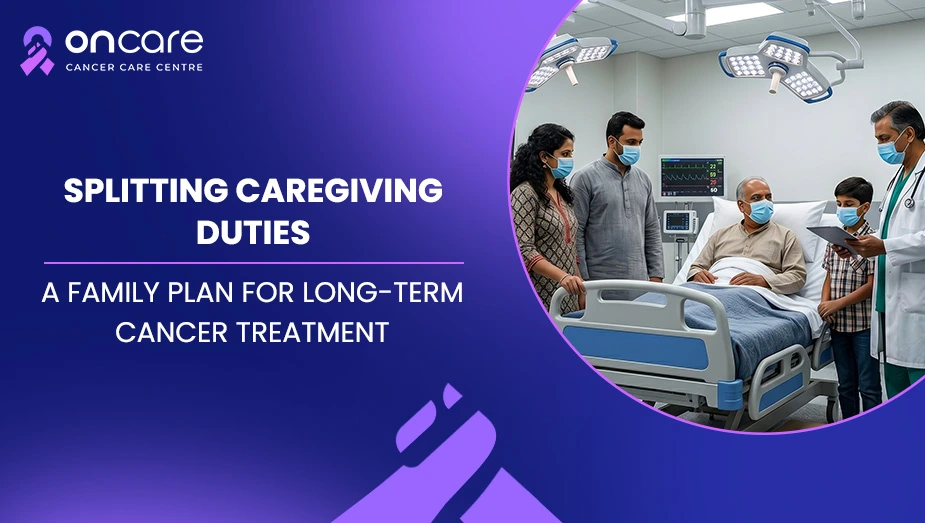
Long-term cancer treatment can place emotional, physical and financial pressure on both patients and their families. In many households, one family member gradually becomes the primary caregiver and manages hospital visits, medicines, emotional support, household work and financial responsibilities. Over time, handling all these responsibilities alone may lead to stress, fatigue and caregiver burnout, which can also affect the quality of patient care.
Sharing caregiving responsibilities among family members may help create a more balanced and sustainable support system during cancer treatment. When caregiving duties are divided properly, patients may receive more consistent support while caregivers experience less emotional and physical exhaustion. A family-based caregiving approach may also improve communication, reduce misunderstandings and strengthen emotional bonds during difficult treatment periods.
In this blog, we will discuss how families can effectively divide caregiving duties, maintain emotional balance, manage medical care and create a supportive environment during long-term cancer treatment.
Why Sharing Caregiving Responsibilities Is Important During Cancer Treatment
Cancer treatment may continue for several months or even years depending on the patient’s condition and recovery process. During this period, caregivers often struggle to balance work responsibilities, family obligations, emotional stress and healthcare coordination.
When one person handles everything alone, the risk of physical exhaustion and emotional burnout increases significantly. Sharing caregiving responsibilities may help families create a stronger and more stable support system for both the patient and the caregiver.
Even small contributions such as helping with medicines, transportation, meals or emotional support may reduce pressure on the primary caregiver and improve the caregiving environment.
Common Challenges Families Face While Sharing Caregiving Duties
Although shared caregiving sounds simple, families may experience communication gaps, scheduling conflicts or emotional misunderstandings. Some family members may feel emotionally overwhelmed while others may not fully understand the patient’s daily needs.
Common Shared Caregiving Challenges and Practical Solutions
Shared Caregiving Challenge | Possible Solution |
|---|---|
Uneven distribution of responsibilities | Create a weekly caregiving schedule |
Miscommunication among family members | Conduct regular family discussions |
Emotional stress and caregiver fatigue | Encourage rest and emotional support |
Financial pressure during treatment | Share treatment planning and expenses |
Lack of medical understanding | Maintain organized treatment records and notes |
Creating a Structured Family Caregiving Plan for Long-Term Treatment
A structured caregiving plan may help families organize responsibilities without depending on last-minute decisions. Families may divide duties into categories such as medical coordination, transportation, financial management, emotional support and household responsibilities.
Using written schedules or shared digital notes may help family members stay updated regarding treatment appointments, medicine timings and patient needs.
According to the National Institute of health , organized health management and family support are important for improving the quality of long-term patient care.
Distributing Responsibilities Based on Individual Strengths and Availability
Not every family member may feel comfortable handling the same caregiving tasks. Some people may be better at coordinating hospital visits, while others may be more comfortable providing emotional support or handling household responsibilities.
Assigning responsibilities according to strengths and availability may create a more balanced caregiving system. One family member may accompany the patient to appointments, while another may manage medicines, meals or financial paperwork.
This shared approach may reduce emotional pressure and help families work together more effectively during treatment.
Supporting Emotional Health for Both Patients and Caregivers
Cancer treatment affects the emotional health of the entire family, not only the patient. Caregivers may silently experience anxiety, sadness or emotional exhaustion while trying to remain emotionally strong for others.
Sharing caregiving duties may allow caregivers to take breaks, recover emotionally and avoid long-term burnout. Patients may also feel emotionally supported when several family members participate in caregiving instead of depending entirely on one person.
Regular communication, emotional reassurance and spending quality time together may improve the emotional environment during treatment.
Maintaining Open Communication to Reduce Family Stress and Conflict
Long-term caregiving may sometimes create misunderstandings or frustration when responsibilities are unclear. Honest and respectful communication is important for maintaining emotional harmony within the family.
Families should openly discuss schedules, emotional concerns and financial responsibilities instead of allowing stress to build silently. Clear communication may reduce resentment and improve teamwork during difficult periods of treatment.
Managing Financial and Medical Responsibilities More Efficiently
Cancer treatment often involves repeated hospital visits, medicines, tests and emergency medical expenses over a long period. Sharing responsibilities may reduce financial and emotional pressure on one individual.
Families should organize prescriptions, reports, insurance papers and emergency contact details carefully. Sharing medical information with multiple caregivers may also ensure continuity of care if one caregiver becomes temporarily unavailable.
Preparing for Unexpected Challenges During Long-Term Treatment
Treatment plans may change unexpectedly because of side effects, emotional challenges or medical emergencies. Families who prepare in advance are often better able to manage stressful situations calmly and effectively.
Backup plans for transportation, hospital coordination and temporary caregiving support may help families avoid confusion during emergencies. Flexibility and teamwork remain especially important during long-term cancer treatment.
Consult Today
Sharing caregiving responsibilities among family members may help reduce the emotional and physical burden associated with long-term cancer treatment. Balanced caregiving may improve emotional stability, reduce caregiver exhaustion and ensure continuous patient support throughout recovery.
With proper communication, planning and emotional cooperation, families may create a healthier and more sustainable caregiving environment during treatment.
For families seeking compassionate cancer care and patient-centered treatment support, Oncare Cancer Hospital is known for providing advanced cancer treatment and supportive healthcare services throughout the treatment journey.





Frequently Asked Questions
Shared caregiving may reduce stress, prevent caregiver burnout and provide balanced support for both patients and families.
Families may divide caregiving tasks according to individual strengths, schedules and comfort levels.
Caregiver burnout may include fatigue, emotional stress, irritability, sleep problems and emotional exhaustion.
Yes, organized caregiving may improve emotional support, treatment coordination and overall patient care during long-term treatment.
Written and Verified by:
Dr. Gajendra Kumar Himanshu Exp: 10 Yr
Medical Officer
Book an Appointment
Related Blogs
Self-Care Tips for Cancer Caregivers: Protecting Your Own Health
Learn self-care tips for cancer caregivers with Oncare Cancer Hospital. Protect your health, manage stress, and avoid burnout while caring for a loved one.
When the Caregiver Falls Sick: A Backup Plan for Indian Families
Learn how to create a caregiver backup plan with Oncare Cancer Hospital. Tips for Indian families to manage care when the primary caregiver falls sick.
A Caregiver's Handbook: How to Support a Loved One Through Chemotherapy
Support a loved one through chemotherapy with Oncare Cancer Hospital. Learn caregiving tips, emotional support, and daily care strategies for patients.
Caregiver Burnout: Warning Signs and How to Prevent It
Learn caregiver burnout warning signs and prevention tips. Protect your health and get expert support at Oncare Cancer Hospital for a stronger caregiving journey.