Table of Contents
Self-Care Tips for Cancer Caregivers: Protecting Your Own Health

By Dr. Gajendra Kumar Himanshu


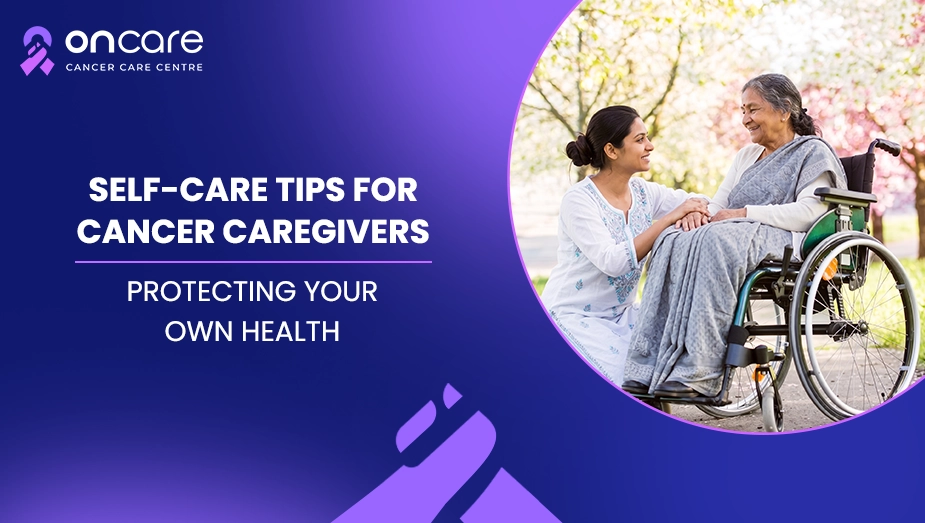
Cancer caregivers often become deeply focused on the patient's treatment, emotional needs and daily responsibilities, which may lead them to neglect their own health and emotional well-being. Long-term caregiving may affect physical health, emotional balance, sleep quality, nutrition and mental wellness. Over time, caregivers who ignore their own needs may experience stress, anxiety, exhaustion or caregiver burnout, which may affect both the caregiver and the patient.
Taking care of personal health while supporting someone through cancer treatment is not selfish. Caregivers who maintain healthy routines, emotional support systems and proper rest are often better prepared to provide stable and compassionate care during treatment.
In this article, we will discuss practical self-care tips for cancer caregivers, including emotional wellness, stress management, healthy routines and ways to prevent caregiver burnout during long-term cancer treatment.
Why Caregiver Health Is Important During Cancer Treatment
Caregivers provide emotional and practical support for many cancer patients throughout treatment. They often manage medicines, hospital visits, emotional reassurance, financial responsibilities and household work simultaneously.
Over time, these responsibilities may create physical exhaustion and emotional stress if caregivers do not prioritize their own well-being. Many caregivers feel guilty about taking breaks or focusing on their personal needs, but neglecting health may lead to chronic stress, sleep problems, reduced immunity and emotional burnout.
A healthy caregiver is generally more emotionally stable, patient and physically prepared to provide effective support throughout treatment.
Recognizing Signs of Caregiver Stress and Emotional Burnout
Caregiver burnout often develops gradually and may go unnoticed during busy treatment schedules. Recognizing early warning signs may help caregivers take preventive steps before stress becomes overwhelming.
Common Signs of Caregiver Burnout and Their Effects
Common Burnout Sign | Possible Impact on Health |
|---|---|
Constant tiredness | Reduced concentration and low energy |
Sleep problems | Increased emotional stress |
Irritability or frustration | Stress in family communication |
Frequent headaches or body pain | Physical exhaustion |
Emotional numbness | Reduced emotional connection and support |
Maintaining Healthy Daily Routines While Caregiving
Small daily habits may significantly improve physical and emotional health over time. Even simple self-care routines may help caregivers feel emotionally balanced and physically stronger during treatment. According to the National Cancer Institute, caregivers managing long-term responsibilities should pay attention to physical health, emotional balance and stress management.
Caregivers should try to maintain:
- Nutritious meals and regular eating schedules
- Proper hydration throughout the day
- Short walks or light physical activity
- Consistent sleep schedules whenever possible
- Short breaks from caregiving duties
Allowing Yourself Time to Rest Without Guilt
Many caregivers feel that taking breaks means neglecting the patient. However, constant exhaustion may gradually reduce the quality of caregiving and emotional stability.
Short periods of rest, quiet time or proper sleep may help restore emotional energy and improve focus. Rest should be viewed as an important part of responsible caregiving rather than a sign of weakness.
Even small moments of relaxation may improve patience, emotional resilience and mental clarity during treatment.
Supporting Your Mental and Emotional Health During Long-Term Caregiving
Cancer treatment may create emotional pressure not only for patients but also for caregivers. Fear about treatment outcomes, financial stress and continuous responsibilities may increase emotional exhaustion over time.
Caregivers should find healthy ways to express emotions instead of silently carrying stress. Conversations with trusted family members, close friends or support groups may reduce emotional isolation and improve mental well-being.
Healthy Emotional Habits That May Help Reduce Stress
These small emotional habits may help caregivers maintain better emotional balance during difficult treatment periods:
- Practising deep breathing or meditation regularly
- Staying connected with supportive family and friends
- Avoiding complete social isolation
- Taking short breaks from medical discussions
- Accepting help from others when needed
Sharing Responsibilities and Asking for Help When Needed
In many Indian families, caregivers often feel personally responsible for handling every caregiving duty alone. However, sharing responsibilities may reduce both physical and emotional pressure.
Family members may assist with transportation, meals, doctor visits or financial planning. Delegating smaller tasks may help caregivers focus on emotional support and patient care without becoming completely exhausted.
Building Long-Term Emotional Strength Through Balanced Self-Care
Caregiving during cancer treatment may continue for an extended period, so emotional strength often requires patience, realistic expectations and consistency.
Caregivers should not expect themselves to feel emotionally strong every day. By practicing balanced self-care, remaining emotionally open and accepting regular support from others, caregivers may continue providing compassionate care without neglecting their own health.
Consult Today
Cancer caregivers play an important role in supporting patients physically and emotionally throughout treatment. However, maintaining personal health and emotional well-being is equally important for sustaining long-term caregiving responsibilities.
Healthy routines, emotional support, proper rest and shared caregiving responsibilities may help caregivers avoid burnout and continue supporting loved ones more effectively.
For families seeking compassionate cancer care and patient-centered treatment support, Oncare Cancer Hospital is known for providing advanced cancer treatment and supportive healthcare services throughout the treatment journey.





Frequently Asked Questions
Self-care may help caregivers remain physically healthy, emotionally stable and better prepared to support patients during treatment.
Common signs may include tiredness, emotional stress, sleep problems, irritability and emotional exhaustion.
Regular rest, healthy daily routines and emotional support from family or friends may help reduce stress.
Yes, sharing responsibilities may reduce caregiver burnout and improve the overall quality of patient support.
Written and Verified by:
Dr. Gajendra Kumar Himanshu Exp: 10 Yr
Medical Officer
Book an Appointment
Related Blogs
Caring for Cancer Patients at Home: A Complete Guide
Learn practical tips for caring for cancer patients at home, including diet, hygiene, and emotional support. Get expert guidance from Oncare Cancer Hospital.

How to Stop Vomiting in Cancer Patients: Causes and Solutions
Learn why vomiting happens during cancer treatment, how to manage it safely, and when to seek help. Get expert, supportive care at Oncare Cancer Hospital.
How Caregivers Can Stay Healthy While Caring for Cancer Patients
Learn essential caregiver tips to stay physically and mentally healthy while supporting cancer patients. Get guidance and support from Oncare Cancer Hospital.
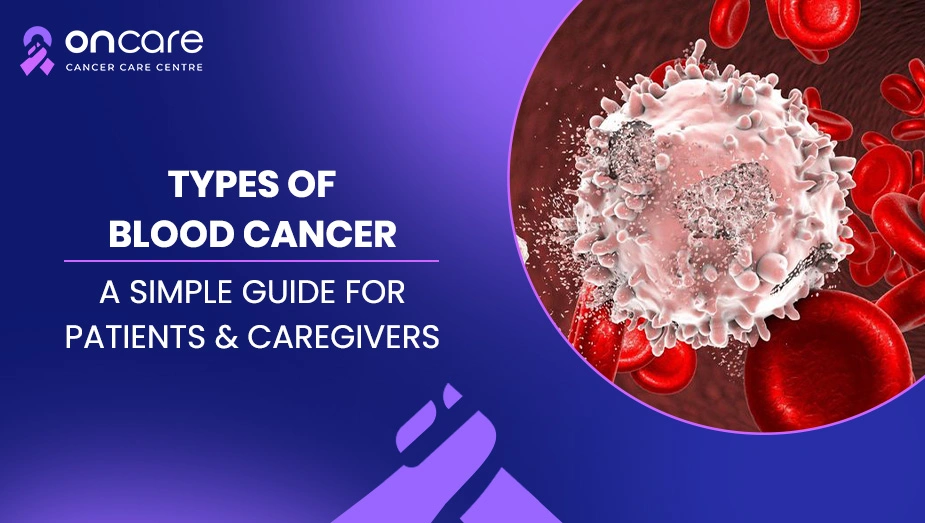
Types of Blood Cancer: A Simple Guide for Patients & Caregivers
Learn the main types of blood cancer - leukemia, lymphoma, and myeloma. Understand symptoms, causes, and treatment options in simple terms with expert guidance.