Table of Contents
Sun Protection Tips to Help Prevent Skin Cancer

By Dr. Gajendra Kumar Himanshu


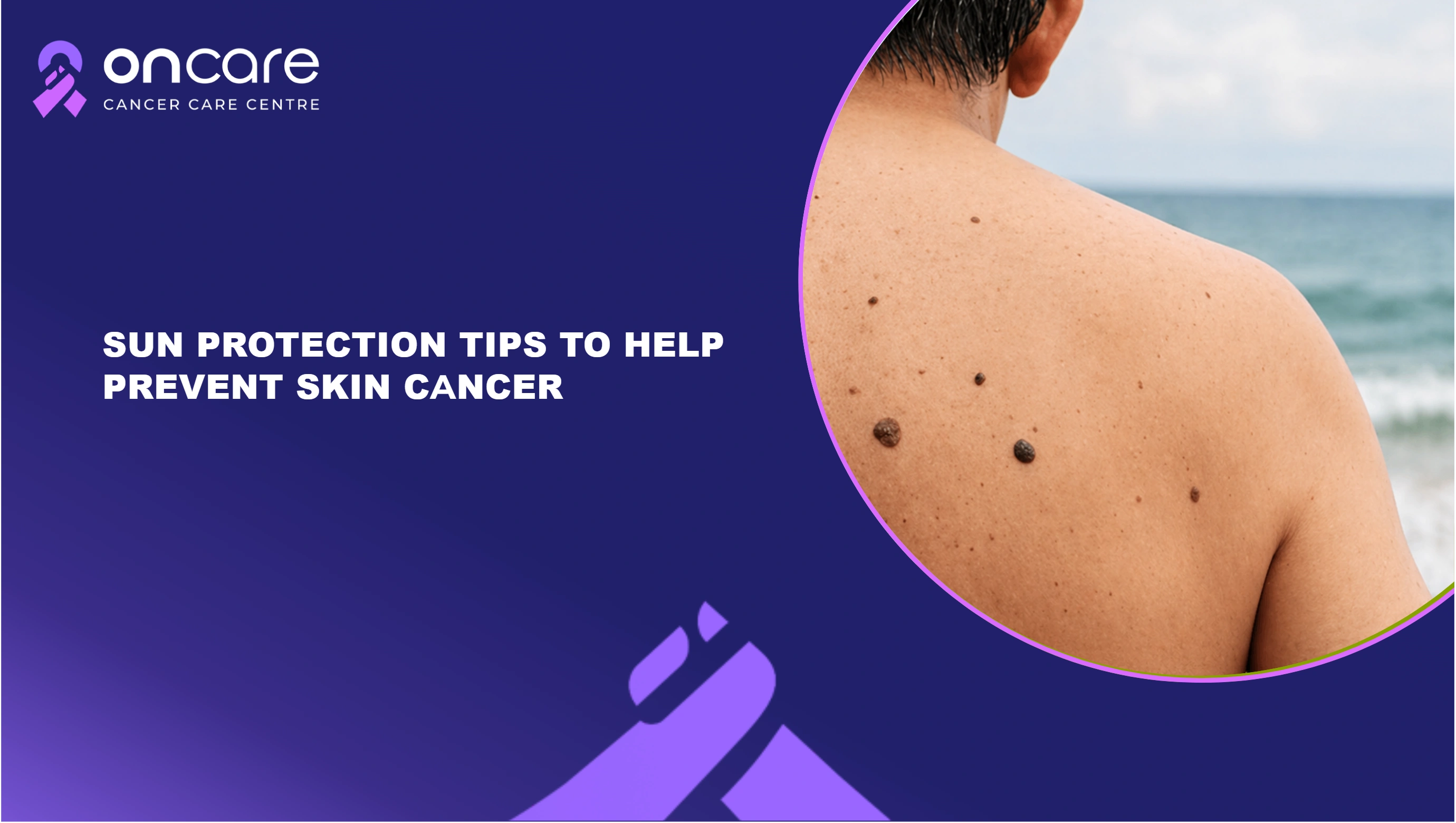
People like to be outside in the sun for business, travel, or just to relax. The sun warms us and helps our bodies make vitamin D, which is good for our health. But too much sun might hurt your skin. Over time, intense UV rays from the sun can harm skin cells and raise the risk of skin cancer.
The issue is that a lot of individuals don't recognize this damage straight away. Sunburn, dark patches, or skin irritation may take some time to appear, and being exposed to the sun too often might make serious skin problems more likely later in life. That's why it's so vital to know sun protection tips to prevent skin cancer. People can protect their skin and minimize their risk of getting skin cancer by being more conscious and following basic everyday practices.
Why it's important to protect your skin from the sun
The skin is the body's biggest organ and protects it from hazardous things in the environment. Ultraviolet radiation can harm the DNA of skin cells when they are in the sun for a long time. This damage can cause cells to grow in strange ways over time, which can lead to skin cancer.
People who spend a lot of time outside, reside in places with a lot of sun, or have lighter skin tones may be more likely to get sun damage. But too much sun can hurt anyone. This is why everyone, no matter how old or what they do, should understand and follow sun protection tips to prevent skin cancer.
Knowing how UV rays can hurt you
There are two primary types of ultraviolet rays that the sun gives off: UVA and UVB rays. These two types of radiation can hurt the skin in distinct ways. UVB rays are the main cause of sunburn and direct skin damage. UVA rays, on the other hand, can go deeper into the skin and cause long-term damage.
If you keep getting these rays, they can make your skin's natural defense system weaker. This could cause the skin to age faster, get dark patches, wrinkles, and even skin cancer in some situations. People can better follow sun protection tips to prevent skin cancer if they know how UV rays affect the body.
How to Use Sunscreen Correctly
Using sunscreen is one of the best ways to keep your skin safe from harmful UV radiation. Sunscreen protects the skin by blocking or absorbing UV rays. Many experts say that wearing sunscreen with the right SPF can help protect your skin from the sun.
Putting on sunscreen before heading outside and then again after a few hours will help keep you safe all day. Even when it's cloudy, UV rays can still get to the skin. That's why it's crucial to use sunscreen every day as part of sun protection tips to prevent skin cancer.
Putting on protective clothing and accessories
Clothes can also keep the sun from getting to your skin. Long sleeves, wide-brimmed hats, and sunglasses can help keep you from getting too much sun. These easy steps can protect your face, neck, and eyes from damaging UV rays.
People who work or go outside for lengthy periods of time should pay special attention to protective clothes. Choosing light but covering materials can help protect the skin while still keeping the body cool in hot conditions. This method encourages the use of sun protection tips to prevent skin cancer.
Limiting direct sunlight throughout the hottest parts of the day
The sun is normally at its brightest around the middle of the day, which is usually between late morning and mid-afternoon. During this period, the levels of UV radiation are higher, which makes it more likely that you will become sunburned or hurt your skin.
Limiting outside activity during these hours might help protect the skin whenever you can. Staying in the shade, using an umbrella, or doing outdoor work early in the morning or late in the evening can all help you stay out of the sun. These minor changes to daily habits are vital for following sun protection tips to prevent skin cancer.
Consult Today
One of the easiest methods to lower your risk of skin cancer is to keep your skin out of the sun too much. People may preserve their skin and stay healthy in the long run by learning about the hazards of UV rays and practicing good practices like using sunscreen, wearing protective clothes, and staying out of the sun during peak hours.
To avoid significant skin problems, it's crucial to be aware of them and get help right once. If someone notices unusual skin changes such as persistent spots, sores, or moles that change in size or color, it is important to consult a medical professional for proper evaluation.
Oncare Cancer Hospital offers sophisticated cancer screening, skilled diagnosis, and individualized treatment programs for people who want reliable care and innovative treatment. Their skilled professionals focus on finding problems early and treating them effectively so that patients can get the finest care possible.





Frequently Asked Questions
Sun protection helps keep you from getting too much UV radiation, which can hurt skin cells and raise your chance of getting skin cancer.
Yes, long-term exposure to UV radiation can still hurt the skin and raise the risk of cancer, even if you don't see a sunburn.
Yes, UV rays may get through clouds, but you should wear sunscreen even when it's cloudy.
It's advisable to see a doctor if a mole, spot, or sore on the skin changes size, color, or doesn't heal for a long time.
Written and Verified by:
Dr. Gajendra Kumar Himanshu Exp: 10 Yr
Medical Officer
Book an Appointment
Related Blogs
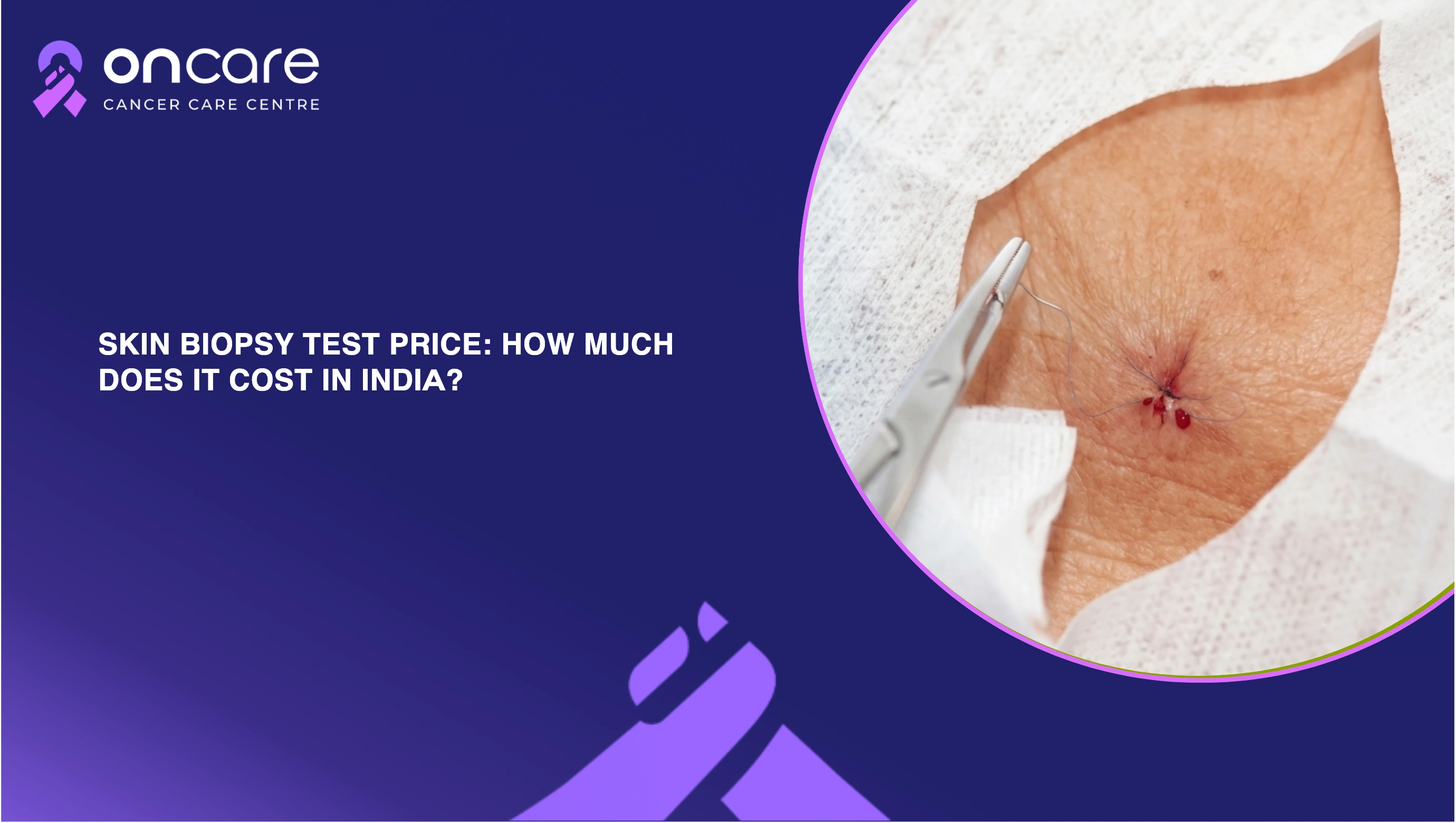
Skin Biopsy Test Price: How Much Does It Cost in India?
Learn about the skin biopsy test price in India, factors affecting cost, and why it is important for diagnosis. Get expert care at Oncare Cancer Hospital.
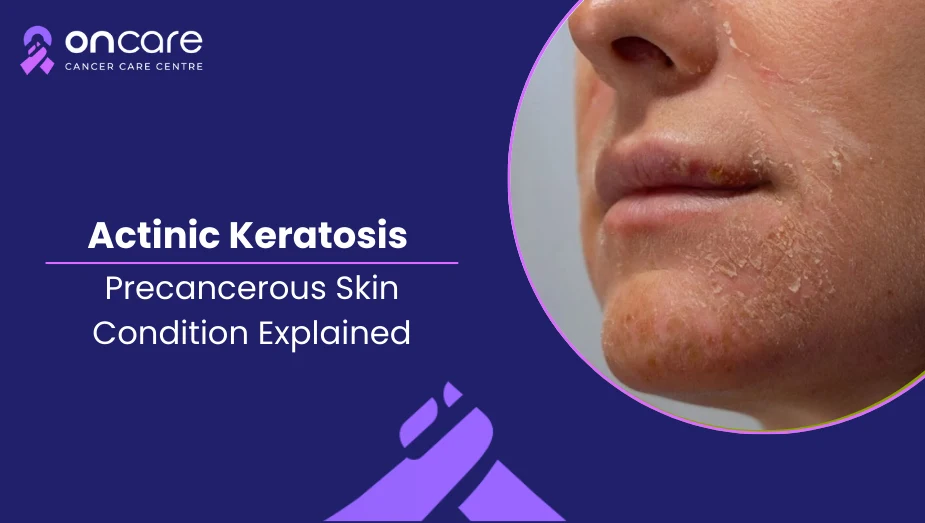
Actinic Keratosis: Precancerous Skin Condition Explained
Discover more about actinic keratosis, and its signs and symptoms, who is at risk of developing this, and its prevention and skin care and why this condition is precancerous!
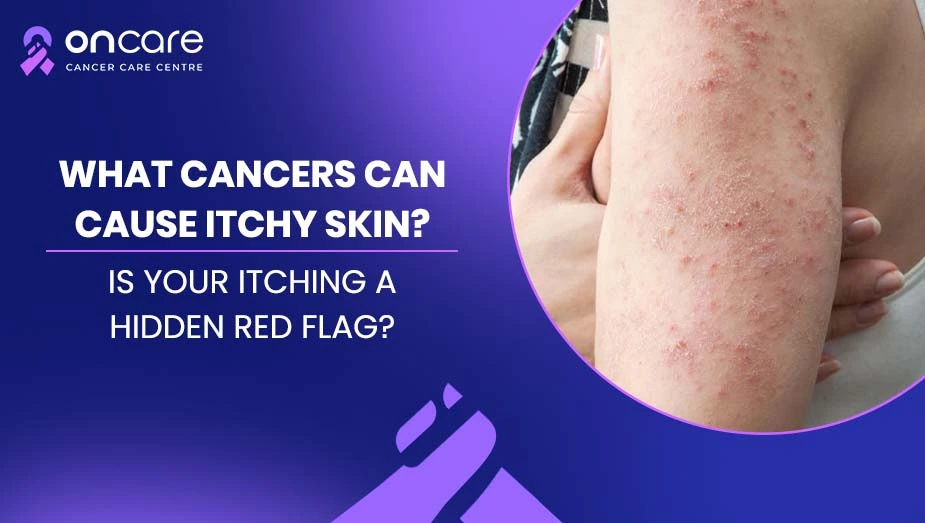
What Cancers Can Cause Itchy Skin? Is Your Itching a Hidden Red Flag?
Learn what cancer can cause itchy skin, why certain cancers trigger itching, how to tell harmless itching from serious symptoms, and when to see a doctor.
Skin Cancer Symptoms in Darker Skin: What to Look Out For
Discover more about Skin cancer symptoms in darker skin, why this cancer in darker tones are not treated early, types of cancers and when to see a dermatologist