Table of Contents
Radiation Dermatitis: Skin Care Steps Before, During and After Treatment

By Dr. Gajendra Kumar Himanshu


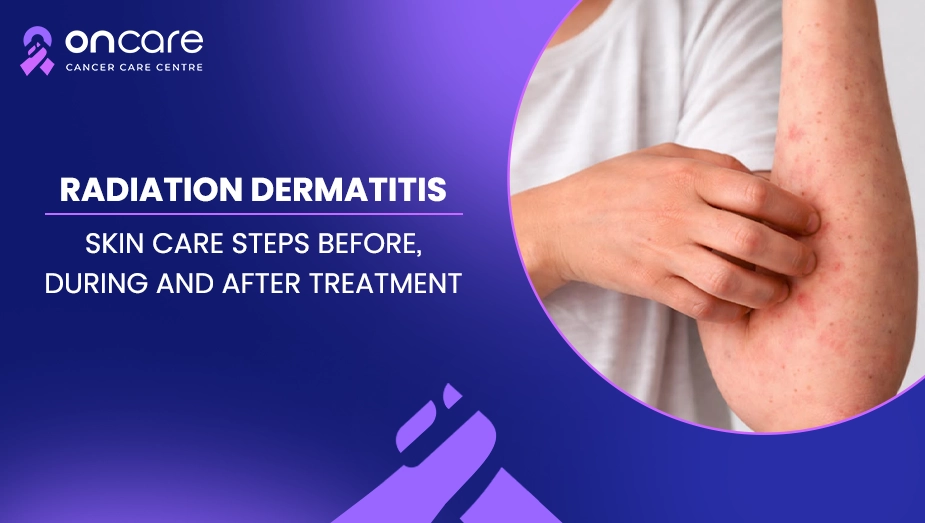
Radiation dermatitis is a common skin reaction that happens during cancer treatment with radiation therapy. Some patients can have redness, dryness, itching, peeling, tenderness or darkening of the skin in the treated area. Gentle skin care before, during and after radiation therapy can help minimize irritation, protect sensitive skin and promote faster healing. They usually suggest gentle soaps, approved moisturizers, loose clothing, hydration and steering clear of harsh products or direct sunlight on the treated skin.
Managing radiation-treated skin is important because skin sensitivity can continue after therapy is finished. Patients should also avoid scratching, hot water, tight clothing and unapproved creams. Patients should be aware of severe symptoms such as blistering, open wounds, infection or worsening pain. Emotional support, adequate rest, and following medical advice during treatment can help improve comfort and recovery.
In this post, we'll talk about what radiation dermatitis is, what the most prevalent symptoms are, and some helpful skin care tips that patients can utilize during their therapy.
What is Radiation Dermatitis?
Radiation dermatitis is a skin condition that arises when radiation therapy damages healthy skin cells as well as malignant cells. The level of severity can vary from person to person based on the area being treated, how sensitive the skin is, and how much radiation is given.
Some patients may just detect a little redness, while others may note that the region is dry, peeling, or sore. If patients understand the illness early on, they may feel more ready and less worried.
What is Dermatitis from Radiation?
Radiation dermatitis is skin irritation or damage that happens during cancer treatment when radiation therapy is employed.
Typical Symptoms
Patients might feel:
- Redness
- Itching and dryness
- Peeling skin
- Skin darkening
- Pain or tenderness
Why Skin Care Is Important During Radiation Therapy
It is very important to take care of your skin gently during radiation treatment since it becomes more sensitive. Taking care of your skin properly may help reduce irritation and speed up healing.
Patients who take care of their skin on a regular basis may feel better throughout treatment sessions.
Helps Ease Irritation
Simple actions for taking care of your skin may help with itching, dryness, and pain.
Helps with Healing
Taking care of your skin in a healthy way may help it heal more quickly following treatment.
Taking Care of Your Skin Before Radiation Therapy
Getting the skin ready before radiation therapy may help keep it from getting irritated later. Doctors typically say to maintain the skin clean, moist, and safe.
Patients should always talk to their healthcare team before utilizing any new skin care products, oils, or lotions.
Keep Your Skin Clean
Gently wash the area where the treatment was done with mild soap and warm water.
Be Careful When You Moisturize
To keep your skin hydrated, only use moisturizers that your doctor has approved.
Don't Use Harsh Products
Stay away from fragrances, alcohol-based products, and harsh chemicals in the area being treated.
Taking Care of Your Skin While Getting Radiation Therapy
During therapy, skin sensitivity usually gets worse over time. At this point, it's even more crucial to be gentle and not irritate the skin.
Patients should carefully follow the directions given to them by their radiation oncology team.
Wear Clothes That Aren't Too Tight
Soft, loose-fitting garments may help sensitive skin by reducing friction.
Keep the Area Safe from Sunlight
Radiated skin may be more susceptible to sunlight, therefore you should restrict the amount of time you spend in the sun.
Don't Scratch
Itching skin may get worse or hurt more if you scratch it.
Drink Plenty of Water
Drinking adequate water may help keep your skin healthy in general.
A Quick Guide on Skin Care While Getting Radiation Therapy
Step for Skin Care | Why It Works |
|---|---|
Use soap that isn't too strong | Lessens irritation |
Put on clothes that aren't too tight | Stops friction |
Drink plenty of water | Good for skin health |
Don't go out in the sun | Keeps skin safe |
Use moisturizers that have been approved | Helps with dry skin |
Stay away from harsh products | Stops injury to the skin |
Things Patients Should Stay Away From
Some habits or items may make skin irritation worse during radiation therapy. Not doing these things might help the skin heal faster.
Stay Away from Hot Water
Very hot water can dry out and irritate skin that is sensitive.
Don't Wear Tight Clothes
Tight garments may rub against the area being treated and make it hurt more.
Don't Use Creams That Aren't Approved
Before using any skin care product, always talk to your doctor.
Taking Care of Your Skin After Radiation Therapy
Skin responses may last for a short time after radiation therapy is over. During healing, it is still necessary to take care of your skin gently.
As the skin heals over time, many patients observe that their condition gets better slowly.
Keep Taking Care of Your Skin Gently
Until your skin is completely healed, keep utilizing light treatments and stay away from strong chemicals.
Look for Changes
If you detect significant pain, open wounds, or discomfort that gets worse, tell your doctor.
Keep Sensitive Skin Safe
After therapy, the skin in the area that was treated may still be sensitive for a while.
Taking Care of Itchiness and Pain
Radiation dermatitis can be irritating at times, especially if the skin gets dry or itchy. Small things that make people feel better may assist.
Put on Cool Compresses
Cool cloths might help calm down skin that is inflamed.
Keep Your Skin Moist
Moisturizers that your doctor recommends may assist with dryness and tightness.
Take a Break When You Need To
Without enough rest, fatigue and skin irritation may get worse.
Government Information and Trustworthy Health Resources
While getting cancer therapy, patients should always use reliable medical information. Patients may find it easier to grasp side effects and skin care advice if they get their information from reliable health sources.
Health Information You Can Trust
Patients can go to the official website of the National Library of Medicine, which provides accurate information about cancer treatment, radiation therapy, and how to care for patients.
How Skin Changes Affect Your Emotions
Skin reactions during cancer treatment may also have an effect on how comfortable and confident you feel. Some patients may be concerned about changes in their skin that they can see while they are getting treatment.
Family, doctors, and counselors can help patients feel emotionally stronger as they recover.
Take Your Time Healing
It takes time for skin to heal, and each person heals in their own way.
Talk About What Worries You
Talking to healthcare specialists about your worries may help ease your fear and perplexity.
When to Call Your Doctor
Most mild skin responses get better with the right care, but some symptoms may need to be seen by a doctor. Patients should not disregard extreme irritation or changes that are not normal.
If You See Something, Get Medical Help
Get medical help if you notice:
- A lot of pain
- Blistering
- Open wounds
- Signs of fever or infection
- Bleeding or worsening skin damage
Consult Today
Radiation dermatitis is a common side effect of radiation therapy, but taking care of the skin before, during, and after treatment may help patients feel better and heal faster. During recuperation, small daily routines, delicate skin care, and following your doctor's advice can all make a big difference.
It's crucial to be patient and give each patient the same care throughout the treatment procedure because everyone's skin reacts differently.
For people with cancer who want professional care and kind support, Oncare Cancer Hospital is known for giving some of the greatest advice, treatment, and care for patients throughout their cancer journey.





Frequently Asked Questions
It is skin irritation or damage induced by radiation therapy used to treat cancer.
Yes, a lot of people who get radiation therapy have some skin discomfort.
Yes, moisturizers that your doctor approves of may assist with dryness and pain.
If you detect significant discomfort, blisters, open wounds, or worsening irritation, you should visit a doctor.
Written and Verified by:
Dr. Gajendra Kumar Himanshu Exp: 10 Yr
Medical Officer
Book an Appointment
Related Blogs
Chemotherapy vs Immunotherapy vs Radiation Therapy: Understanding the Differences
Compare chemotherapy, immunotherapy, and radiation therapy, including benefits, side effects, and treatment options at Oncare Hospital with expert cancer care.
Where to Get Radiation Therapy in Bengaluru? Cost & Doctor Guide
Radiation Therapy in Bengaluru at Oncare Cancer Hospital with expert oncologists, modern equipment, and safe, precise cancer treatment for better outcomes.
How to Plan Nutrition During Chemotherapy or Radiation?
Learn nutrition planning during chemotherapy and radiation. Tips on meals, hydration, managing nausea, and staying strong throughout cancer treatment.
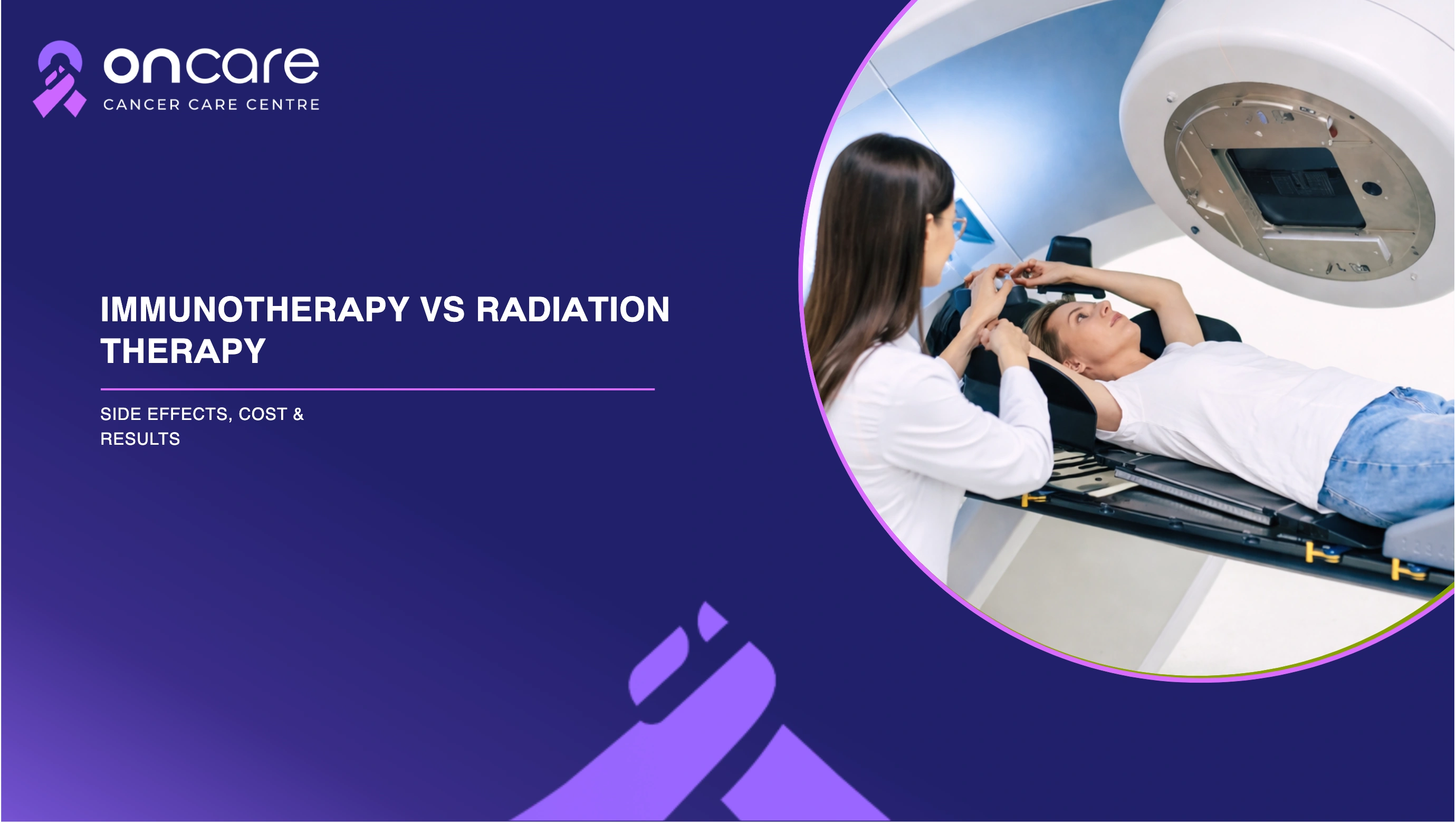
Immunotherapy vs Radiation Therapy: Side Effects, Cost & Results
Compare immunotherapy vs radiation side effects, costs, and results. Oncare Cancer Hospital offers advanced cancer care for better treatment outcomes.