Table of Contents
Palliative Care vs Hospice: Understanding the Difference

By Dr. Gajendra Kumar Himanshu


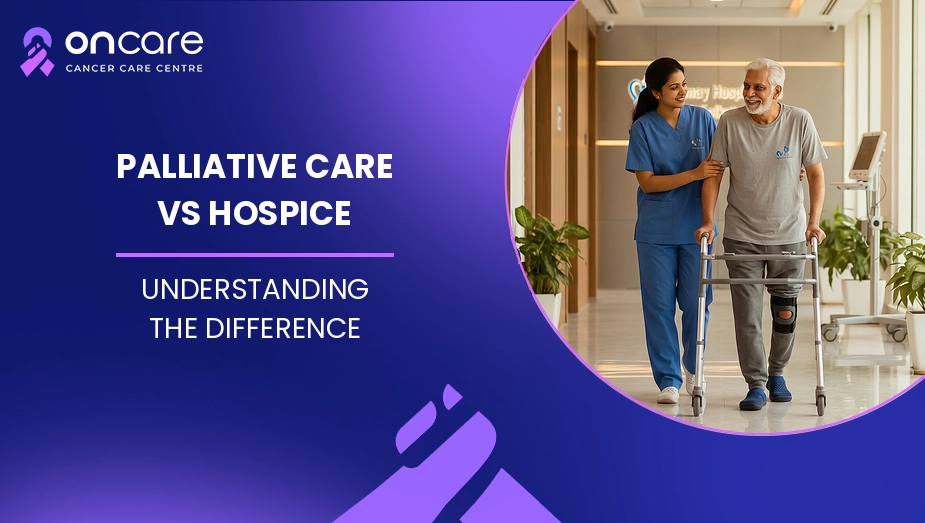
Both palliative care and hospice care emphasise comfort, symptom management, and quality of life, but they are not the same. Palliative care can start at any point in a serious disease, and can be given together with therapies like chemotherapy or radiation therapy. Hospice care is primarily for persons who are nearing the end of life and whose primary objective has changed from treating the disease to giving comfort and support.
In this blog, we discuss the difference between palliative care and hospice care, when each type of care might begin, what services they give and how they support patients and families. Knowing these choices can help people make decisions about their care that are right for their health, their goals for treatment, and their personal requirements.
Why is it important to know the difference?
Palliative care and hospice care are both about relieving suffering and improving quality of life, but they are delivered at various stages of disease. Palliative care can begin at diagnosis and continue alongside active therapy. Hospice care, however, is primarily concerned with comfort care at the end of life.
Grasping this distinction can help patients and families talk about their care choices and make educated decisions at the proper time.
What is Supportive Care?
Palliative care is specialist medical care for patients who are seriously sick or living with a long-term condition. The goal is to alleviate symptoms, lessen physical and mental suffering, and improve quality of life.
A patient does not have to be at the end of life to get palliative care. It can be administered from diagnosis and may continue during active treatment. For example, someone who is undergoing chemotherapy, radiation therapy, surgery, immunotherapy or other cancer therapies may also receive palliative care.
The palliative care team collaborates with the patient's primary medical team. Care is tailored to the person's symptoms, concerns, treatment goals, values and daily requirements.
Palliative care can assist in controlling:
- Pain
- Weakness and tiredness
- Throwing up or nausea
- Difficulty breathing
- Loss of appetite
- Trouble sleeping
- Anxiety or emotional upset
- Side effects of treatment
- Difficulty handling illness
That support may include nutritional advice, psychotherapy, rehabilitation, spiritual care and help with treatment decisions.
What is hospice care?
Hospice care is a type of health care for people who have a serious illness, such as cancer, heart failure, or emphysema. The focus of hospice care is to provide comfort and to maintain the best possible quality of life in the time that remains.
Hospice may be appropriate when serious illness has progressed, treatment is no longer effective, or the patient chooses not to pursue disease-directed care. Eligibility and timing can vary based on local health policies and the patient's medical status.
Hospice care does not mean medical care stops. Patients are still being treated for pain, breathing issues, nausea, anxiety, restlessness and other symptoms. The focus shifts from management of the causative disease to the care of comfort, dignity and quality of life.
Hospice care is a team effort. The hospice team may include doctors, nurses, social workers, chaplains, counsellors, and volunteers. The team works together to help the patient and the patient's family. The hospice team also helps the family cope with the illness and prepares them for life after the patient dies.
Services might be delivered in the home, hospice centre, hospital, nursing facility or other care setting. Where a patient is treated will depend on the needs of the patient, services available and family circumstances.
If you would like to know more about hospice care, or if you think you or someone you know may benefit from hospice care, please contact your doctor or a local hospice organisation.
Palliative Care vs Hospice - Key Differences
Area | Palliative Care | Hospice Services |
|---|---|---|
When can it start | In the course of a major illness, even soon after the diagnosis | Usually, when an illness is advanced, and the care is primarily for comfort |
Active therapy | May be given alone or with therapies such as chemotherapy, surgery or radiation therapy | Usually focuses on comfort rather than treatment to cure or control the disease |
Main aim | Ease symptoms and enhance quality of life during illness and treatment | Dignity, comfort and support at the end of life |
Length of care | May take months or years, depending on the demands of the patient | Depends on patient's condition, care requirements and local qualifying criteria |
Care setting | Hospital, outpatient clinic, cancer centre, nursing home or home | Home, hospice centre, hospital, nursing home or other supporting location |
Support from family | Provides emotional, practical and decision support | Offers support for patients, caregivers and family, including support for end of life and sorrow |
Both styles of care focus on the individual, not the ailment. The fundamental difference is that palliative care can be given while active treatment is still happening, but hospice care typically starts when the focus is on comfort.
Who Might Benefit From Palliative Care?
Palliative care can help those living with cancer, severe heart disease, chronic lung disease, kidney failure, neurological problems or other catastrophic illnesses.
It can help when symptoms get in the way of daily living or when medication creates troublesome side effects. Patients can be supported in times of uncertainty around treatment options or when they require assistance communicating their goals with family and the healthcare team.
Palliative treatment is not solely dependent on life expectancy. It can be given when treatment is effective and may be continued through various phases of sickness.
Early palliative care supports patients in managing symptoms, sharing what is important to them, and being more comfortable during treatment.
Who Can Qualify for Hospice Care?
Hospice care can be considered when an illness is advanced, and the focus of care has become mostly comfort. A healthcare professional usually evaluates the patient's diagnosis, overall status, disease, response to treatment, and goals of care.
Hospice is an option for someone who has a serious illness and when additional treatment for the condition is not likely to be helpful, or the burden of therapy exceeds the benefit expected.
It is a personal medical decision to choose hospice. Patients and families should talk with the healthcare team about what therapies may be available, what they should expect, what symptoms can be controlled, and how they would like to be cared for.
Choosing The Right Type Of Care
The proper kind of care will depend on the patient's condition, goals of therapy, symptoms, personal values and the likely advantages of continuing treatment.
Patients and families might ask the health care team:
- Is palliative care an option to add to the present treatment plan?
- What symptoms can the care team address?
- Why do you need to continue treatment, and what benefits can you expect?
- When should I consider hospice care?
- Where may care be given?
- What help is available for caregivers and families?
These conversations can happen early on. Patients don't have to wait until there is a medical emergency or until their symptoms get bad.
If you want to learn more about palliative care in cancer, you can visit the official website of the National Cancer Institute.
Consult Today
If you have a serious illness, you may have physical symptoms, emotional concerns and hard choices to make about treatment. Palliative care helps patients manage symptoms while continuing treatment, while hospice care provides comfort and support when goals of care shift to quality of life.
At Oncare Cancer Hospital, patients and family can have conversations with the healthcare staff regarding symptom management, supportive care needs, treatment goals, and customised care options. Contact us today to talk about what form of support may be right for you now.
Disclaimer
This text is for general educational purposes only and is not intended to be a substitute for professional medical advice, diagnosis or treatment. The criteria for palliative or hospice care may vary depending on an individual's health status, care needs, health care system and local policies. Patients and families should speak with qualified health care experts about treatment goals and care options.





Frequently Asked Questions
No. Palliative care can help those living with cancer, heart illness, lung disease, kidney failure, neurological diseases and other serious or long-term conditions.
Yes. Palliative care can be given concurrently with chemotherapy, radiation therapy, surgery, immunotherapy, and other disease-directed treatments.
Both focus on comfort and quality of life, but palliative care can start at any time when a serious illness begins. Hospice care is typically for those who are in the last stages of life, and comfort is the primary focus of treatment.
Yes. If the right services and support can be put in place, hospice care can be offered in the home. It may also be given in hospice centres, hospitals, nursing facilities or other care settings.
Written and Verified by:
Dr. Gajendra Kumar Himanshu Exp: 10 Yr
Medical Officer
Book an Appointment
Related Blogs
Chemotherapy vs Immunotherapy vs Radiation Therapy: Understanding the Differences
Compare chemotherapy, immunotherapy, and radiation therapy, including benefits, side effects, and treatment options at Oncare Hospital with expert cancer care.
Difference Between Stomach Ulcer and Cancer
Learn the clear difference between stomach ulcer and stomach cancer, including causes, symptoms, pain patterns, and why early testing is important for proper treatment.
Difference Between Fibroadenoma and Breast Cancer
Fibroadenoma and breast cancer can both cause breast lumps, but they differ in feel, growth, and symptoms. Learn how to tell the difference and when to see a doctor.
Stage 1 Lung Cancer: Difference Between Stage 1A and 1B
Learn more about stage 1 lung cancer and understand the key difference between 1A and 1B lung cancer, its symptoms, its treatments, and the importance of early detection!