Table of Contents
Lymphedema and Arm Care After Breast Cancer Surgery: A Recovery Guide

By Dr. Gajendra Kumar Himanshu


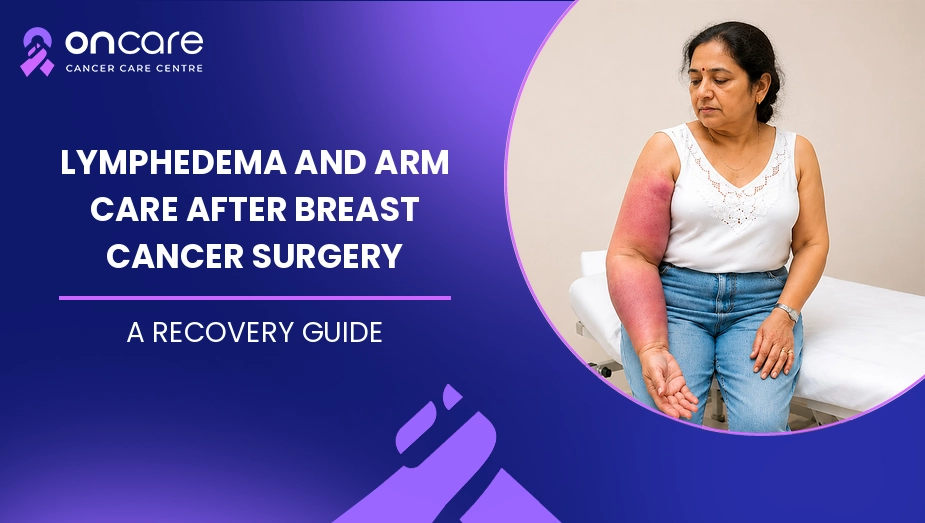
Sometimes, people who have had breast cancer surgery can develop a condition called lymphedema, especially if their lymph nodes were removed or treated as part of their cancer treatment. It develops when lymph fluid does not drain properly and builds up in the arm, hand, breast, or surrounding tissues, causing swelling, heaviness, or discomfort. Not all women who have breast cancer surgery develop lymphedema, but learning about the condition and caring for the arm can be a crucial part of recovery.
Many people live with lymphedema and are able to go about their daily activities with confidence and comfort. With correct guidance and monitoring, healthy behaviors and early attention to symptoms, lymphedema can be successfully managed.
In this blog, we’ll describe what lymphedema is, why it can happen after breast cancer surgery, how to care for your arm, and what steps can help you have a smoother recovery.
What You Need to Know About Lymphedema After Breast Cancer Surgery
The lymphatic system is a natural drainage and immunological system for the body. It helps to circulate fluid around the body and helps to combat infections.
Sometimes breast cancer surgery involves removing certain lymph nodes, or these nodes can be damaged by treatment. This can interfere with the proper flow of lymph fluid, which might result in fluid accumulation in the surrounding tissue and swelling.
Lymphedema might happen soon after therapy, or months or years later. So continuing to educate yourself and care for your arm is vital through the recovery period.
Common Signs Not To Ignore
Recognizing signs early can help people get support before swelling becomes more evident. Common signs include:
- Swelling in your arm, hand, fingers, breast, or chest region
- Arm heaviness
- Firm skin
- Reduced flexibility of the wrist, shoulder, or fingers
- Pain or aching
- Tightness of sleeves, jewelry, or clothing
If you notice any of these symptoms, it’s a good idea to speak with your healthcare provider.
Why Arm Care Is Important to Recovery
Taking good care of your arm can assist in protecting the affected area and help maintain healthy blood flow and movement.
It is not about avoiding use of the arm. In fact, modest exercise and typical day-to-day activities are generally recommended as part of the rehabilitation process. The trick is to combine exercise with protection.
Your recovery plan should always depend on your condition, treatment history, overall health, and your doctor’s advice.
Tips for Everyday Arm Care That May Help
Shield Your Skin
Having healthy skin can lower the risk of infection, which is crucial when you have lymphedema.
Try to:
- Keep your skin clean and hydrated
- Deal with tiny cuts and scrapes quickly
- Wear sunscreen when you are outdoors
- Wear gloves when gardening or performing activities around the house
Avoid burns and skin damage whenever feasible.
Keep Moving With Gentle Activity
Movement promotes good circulation and flexibility.
Activities may consist of:
- Slow stretching actions
- Walking
- Shoulder mobility exercises
- Exercises prescribed by your physical therapy team
Always follow workout advice from your doctor or physiotherapist.
Don’t Overwork
Staying active is healthy, although unexpected hard lifting or repetitive effort may sometimes aggravate discomfort. Listen to your body and raise your activity levels gradually.
Practical Daily Care Manual
Daily Habits | Why It Might Help |
|---|---|
Regularly moisturize skin | Helps prevent dryness and irritation |
Do the suggested exercises | Helps with circulation and movement |
Observe for changes in swelling | Allows earlier identification of symptoms |
Wear comfortable clothing | Reduces needless pressure on the arm |
Go to follow-up appointments | Assists in tracking recovery progress |
When to Call Your Doctor?
Addressed early, many recovery concerns can be successfully controlled.
Contact your doctor if you notice:
- Sudden swelling of the arm or hand
- Skin redness or warmth
- More pain
- Reduced arm mobility
- Signs of infection, such as fever or increased skin irritation
Often, early assessment enables health care teams to recommend proper management.
Compression Garments and Therapy, and Their Role
Compression sleeves or specialized lymphedema therapy might help certain people. Not everyone needs these therapies. Recommendations will differ depending on your risk, symptoms, overall health, past treatment, and the advice of your doctor.
A qualified lymphedema specialist can help assess whether compression garments, manual lymphatic drainage, or other supportive therapies may be appropriate.
Emotional Recovery Is Important Too
Recovery after breast cancer treatment involves more than just physical healing. Some people are upset, anxious, or unsure when they experience swelling or changes in arm function. These feelings are very normal.
Support may be from:
- Friends and family
- Support groups for cancer
- Mental health practitioners or counselors
- Communities of breast cancer survivors
- Doctors
Give yourself some time and celebrate tiny achievements along the way to make the process of recovery feel more doable.
Find Out More About Lymphedema and Recovery
People need reliable information to help them make good decisions about their care. For cancer treatment and survivorship information that is based on evidence, readers can visit the National Library of Medicine, which provides reliable educational resources for patients and families.
Developing a Long-Term Recovery Strategy
Everyone’s recovery following breast cancer surgery is different. Some people have few or no symptoms, while others may need continuing treatment for lymphedema. The optimal long-term approach depends on:
- Risk factors for the individual
- Family history
- Genetic test results, if applicable
- Type of breast cancer therapy received
- Health in general
- Personal lifestyle
- Recommendations from your health care team
It is also helpful to have regular follow-up treatment and a good communication channel with your doctors to make sure that any concerns are handled early on.
Consult Today
Lymphedema following breast cancer surgery can be tough at times, but many individuals successfully manage it with adequate care, knowledge, and medical assistance. Recognizing the indications, safeguarding your arm, staying active in a healthy way, and seeking help when required can all help contribute to a healthier recovery.
Each person’s case is different, and treatment choices should always be made based on individual risk, family history, genetic testing results, overall health, and the doctor’s advice.
Oncare Cancer Hospital is a trusted name for expert guidance, comprehensive cancer care, and continued support during recovery. We help patients to traverse every stage of their cancer experience.





Frequently Asked Questions
Lymphedema is swelling that comes from a build-up of lymph fluid. It can happen after lymph nodes are removed or damaged during cancer therapy.
No. A lot of people never get lymphedema, but knowing your risk can help you identify it early and get the right care.
Yes. Gentle activities as prescribed by doctors may help support mobility and circulation.
Call your doctor if you observe any new swelling, redness, pain, warmth or loss of movement in the arm.
Written and Verified by:
Dr. Gajendra Kumar Himanshu Exp: 10 Yr
Medical Officer
Book an Appointment
Related Blogs
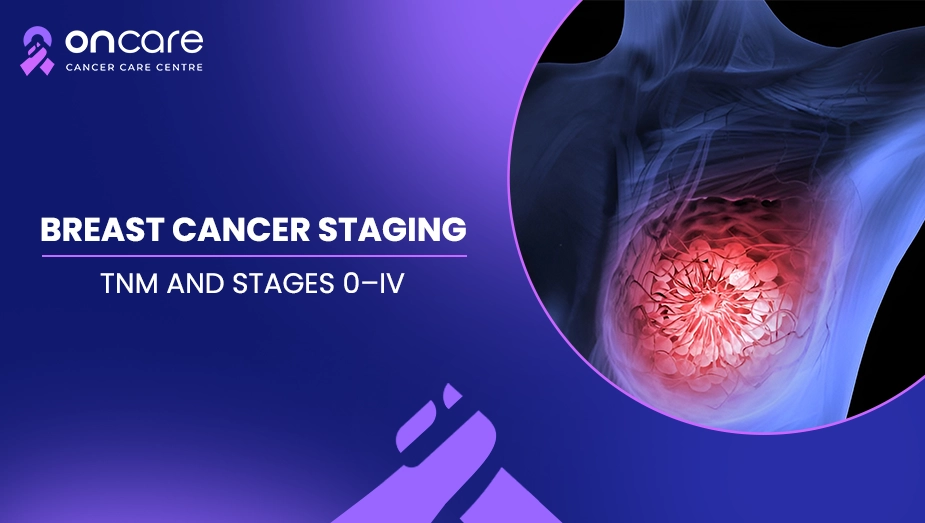
Breast Cancer Staging: TNM and Stages 0–IV
Learn about Breast Cancer staging, the TNM system, stages 0–IV, diagnosis, treatment planning, and why accurate staging is important for personalized care.
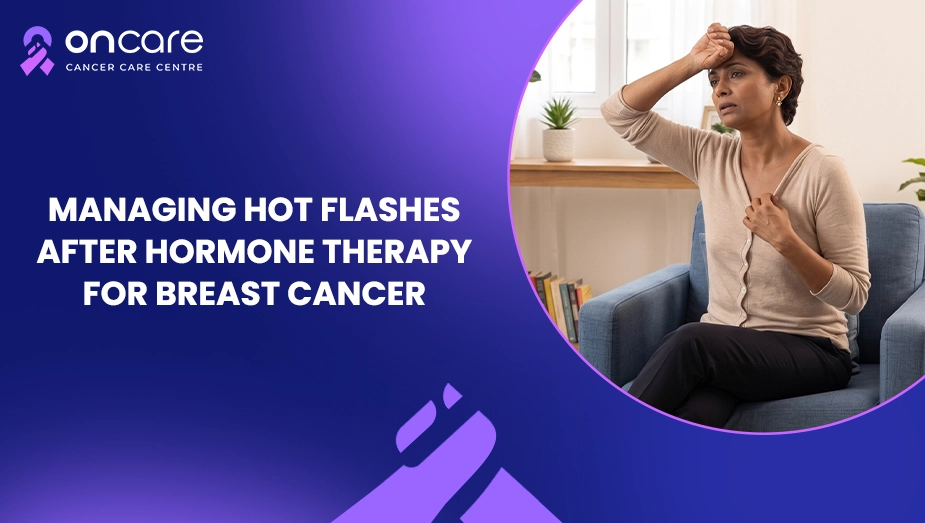
Managing Hot Flashes After Hormone Therapy for Breast Cancer
Learn how to manage hot flashes after hormone therapy for breast cancer with simple lifestyle tips, emotional support, and expert care guidance for recovery.
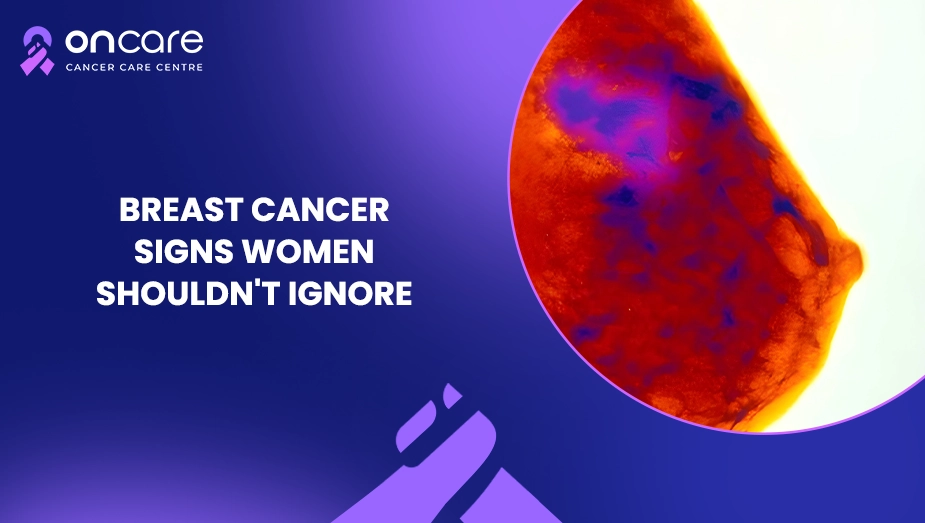
Breast Cancer Signs Women Shouldn't Ignore
Know breast cancer warning signs women shouldn't ignore. Oncare Cancer Hospital shares early symptoms, risks, and when to consult a doctor for care.
Can Homeopathy Cure Breast Cancer? Hope vs Reality in Treatment
Can homeopathy cure breast cancer? Learn the facts, risks, and safe treatment options. Expert guidance from Oncare Cancer Hospital for better decisions.