Table of Contents
Managing Hot Flashes After Hormone Therapy for Breast Cancer

By Dr. Gajendra Kumar Himanshu


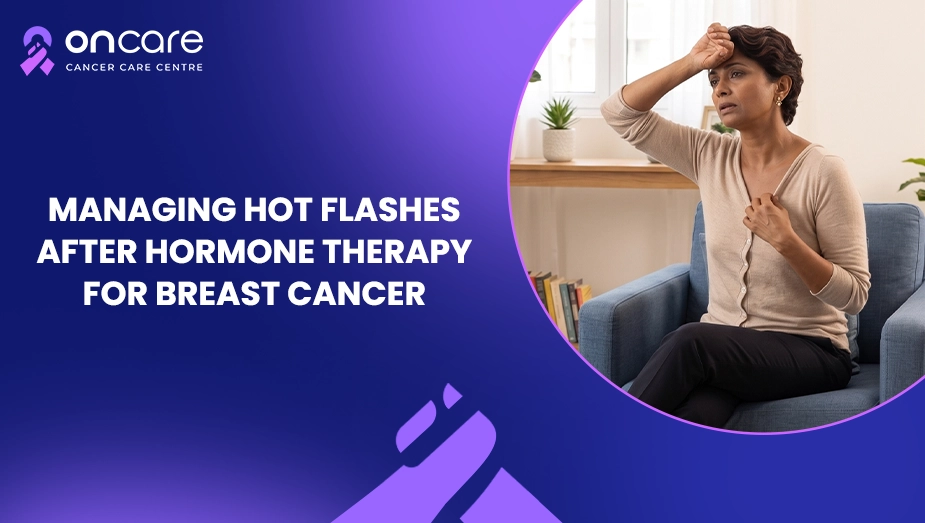
Hot flashes are one of the most common side effects experienced by women after hormone therapy for breast cancer. These sudden episodes of heat, sweating, flushing and discomfort may occur during the day or night and can affect sleep, emotional well-being and daily activities. Hormone therapy medicines often reduce estrogen levels in the body and may trigger menopause-like symptoms including hot flashes.
Although hot flashes are generally not dangerous, repeated episodes may become physically exhausting and emotionally stressful. Many women experience interrupted sleep, irritability, fatigue and anxiety because of recurring symptoms. Managing hot flashes often requires a combination of healthy lifestyle changes, emotional support, medical guidance and awareness of symptom triggers.
In this article, we will discuss the causes of hot flashes after hormone therapy, common symptoms, practical management techniques, lifestyle changes and when patients should speak with their oncology team.
Why Hormone Therapy Can Cause Hot Flashes in Breast Cancer Patients
Hormone therapy is commonly used to block or reduce hormones such as estrogen that may help breast cancer cells grow. Medicines like tamoxifen and aromatase inhibitors may alter hormonal balance in the body and lead to menopause-like symptoms.
Changes in hormone levels may affect the body's temperature regulation system and trigger sudden episodes of warmth, sweating, flushing and discomfort commonly known as hot flashes.
Common Symptoms Associated With Hot Flashes
Symptom | How It May Affect Daily Life |
|---|---|
Sudden heat sensations | Physical discomfort and sweating |
Night sweats | Interrupted sleep and fatigue |
Facial flushing | Temporary warmth and redness |
Increased heart rate | Emotional discomfort or anxiety |
Sleep disturbances | Daytime stress and tiredness |
Common Triggers That May Worsen Hot Flashes
Certain environmental and lifestyle factors may increase the severity or frequency of hot flashes. Identifying personal triggers may help women manage symptoms more effectively. According to the National Library of Medicine, hormonal changes after cancer treatment may lead to menopause-like symptoms that often require lifestyle management and medical guidance.
Common Hot Flash Triggers
Tracking symptom patterns may help patients recognize and avoid common triggers:
- Hot weather or warm rooms
- Emotional stress and anxiety
- Spicy foods
- Alcohol or caffeine intake
- Smoking or tobacco use
- Tight or heavy clothing
Daily Habits That May Help Reduce Discomfort
Simple lifestyle adjustments may help improve comfort during hormone therapy:
- Wearing light and breathable clothing
- Keeping rooms cool and ventilated
- Drinking cold water regularly
- Avoiding heavy blankets during sleep
- Practising relaxation or breathing techniques
Managing Night Sweats, Sleep Problems and Fatigue
Night sweats are a common part of hormone therapy-related hot flashes and may repeatedly disturb sleep. Poor sleep may increase daytime tiredness, stress and difficulty concentrating.
Creating a comfortable sleep environment may help improve rest and recovery during treatment.
Helpful Sleep and Relaxation Tips During Hormone Therapy
Healthy sleep habits may improve both physical comfort and emotional well-being over time. Helpful tips include:
- Maintaining a regular sleep schedule
- Avoiding heavy meals before bedtime
- Using cotton bedding and loose sleepwear
- Reducing screen time before sleeping
- Practising gentle relaxation exercises
Understanding the Emotional Impact of Frequent Hot Flashes
Frequent hot flashes may affect emotional health, especially when symptoms interfere with sleep, work or social activities. Some women may feel emotionally exhausted, frustrated or embarrassed during long-term treatment.
Open communication with doctors, caregivers and family members may help reduce emotional stress. Patients should remember that hot flashes are a common side effect of hormone therapy and not a sign of weakness.
The Importance of Emotional Support During Long-Term Hormone Therapy
Emotional understanding may help patients feel less isolated and more confident while managing symptoms. Family members and caregivers may help patients by:
- Understanding symptom-related frustration patiently
- Helping maintain comfortable room temperatures
- Encouraging healthy routines
- Providing emotional reassurance during difficult days
- Supporting regular medical follow-ups
When Patients Should Seek Medical Advice for Severe Symptoms
Some women may experience mild hot flashes that improve gradually, while others may develop severe symptoms that significantly affect quality of life. Patients should discuss persistent or worsening symptoms openly with their oncology team.
Doctors may recommend supportive therapies, medication adjustments or additional treatments depending on the severity of symptoms and the patient's overall health condition.
Building Long-Term Comfort Through Healthy Routines and Medical Care
For many women, hot flashes improve gradually over time, although every patient's experience is different. Balanced routines, proper hydration, healthy sleep habits, emotional support and regular medical care may help women manage symptoms more comfortably.
Awareness, realistic expectations and supportive care may help reduce emotional stress during long-term hormone therapy.
Consult Today
Hot flashes after hormone therapy for breast cancer are a common side effect that may affect physical comfort, sleep and emotional well-being. Although rest alone may not completely prevent symptoms, healthy lifestyle changes, emotional support, proper hydration and medical guidance may help reduce discomfort significantly.
Understanding triggers and maintaining open communication with healthcare providers may improve quality of life during long-term breast cancer treatment.
For patients seeking compassionate cancer care and advanced treatment support, Oncare Cancer Hospital is known for providing patient-centered cancer treatment and supportive oncology care.





Frequently Asked Questions
Hormone therapy changes estrogen levels in the body, which may affect temperature regulation and trigger hot flashes.
Yes, night sweats and frequent hot flashes may interrupt sleep and increase daytime fatigue.
Spicy foods, caffeine and alcohol may trigger or worsen hot flashes in some women.
Patients should consult their oncology team if hot flashes become severe or begin affecting daily life significantly.
Written and Verified by:
Dr. Gajendra Kumar Himanshu Exp: 10 Yr
Medical Officer
Book an Appointment
Related Blogs
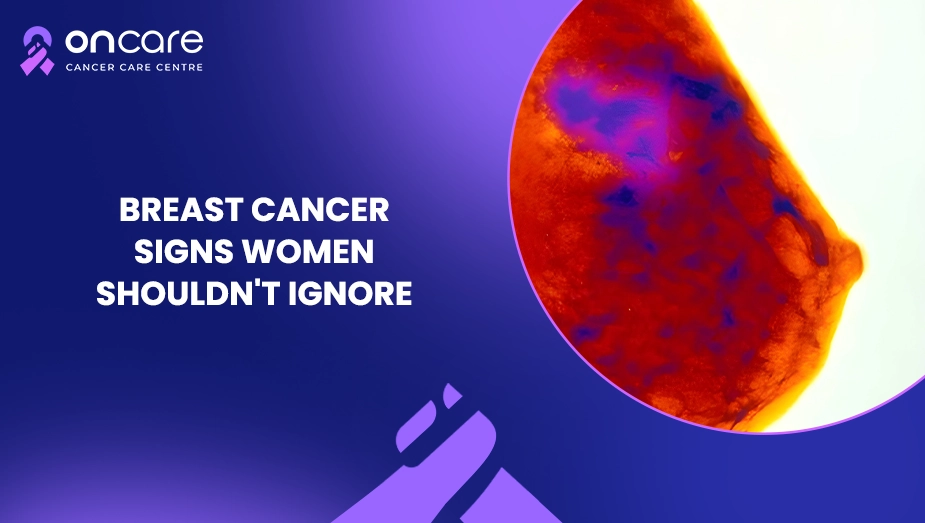
Breast Cancer Signs Women Shouldn't Ignore
Know breast cancer warning signs women shouldn't ignore. Oncare Cancer Hospital shares early symptoms, risks, and when to consult a doctor for care.
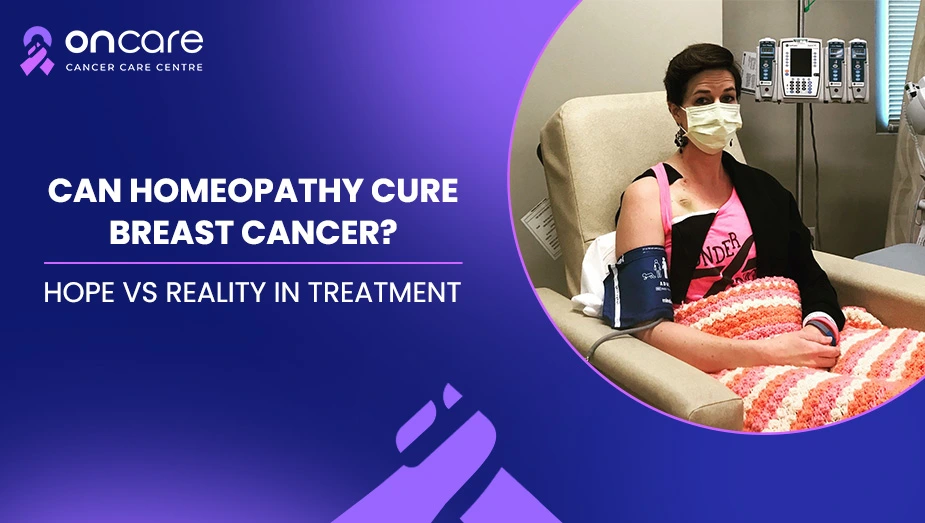
Can Homeopathy Cure Breast Cancer? Hope vs Reality in Treatment
Can homeopathy cure breast cancer? Learn the facts, risks, and safe treatment options. Expert guidance from Oncare Cancer Hospital for better decisions.
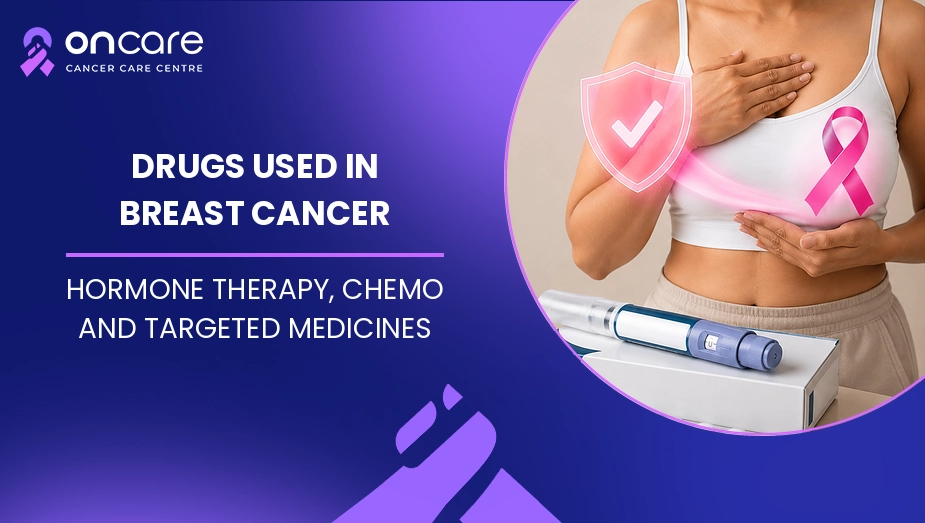
Drugs Used in Breast Cancer: Hormone Therapy, Chemo and Targeted Medicines
How hormone therapy, chemotherapy and targeted therapy work in breast cancer treatment, when each may be prescribed, possible side effects, and how doctors decide which approach is right for a patient.
Lymphedema and Arm Care After Breast Cancer Surgery: A Recovery Guide
Learn how to manage lymphedema after breast cancer surgery with arm care tips, symptom awareness, recovery guidance, and support from Oncare Cancer Hospital.