Table of Contents
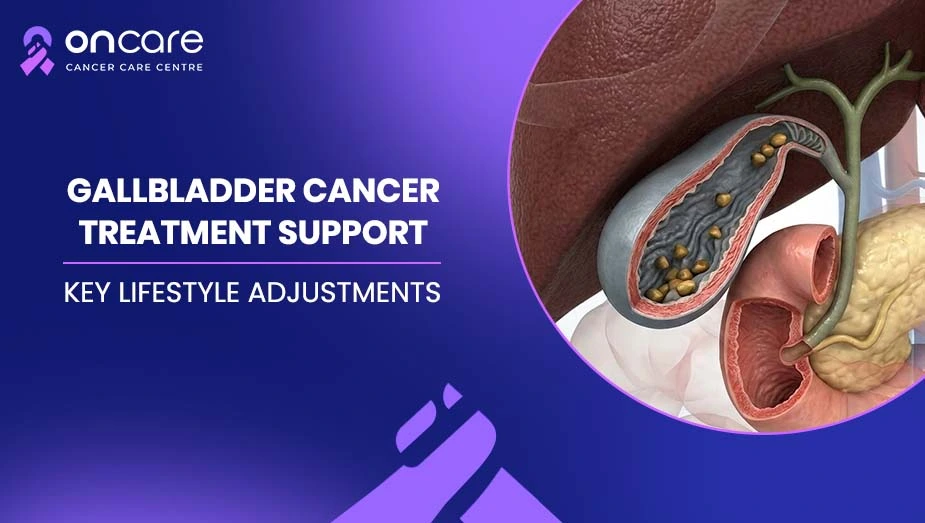
Gallbladder Cancer Treatment Support: Key Lifestyle Adjustments
By Dr. Gajendra Kumar Himanshu


Getting a diagnosis of gallbladder cancer can change your life in a big way. Patients often question what they may do on their own to feel better and get better, in addition to medical therapies like surgery, chemotherapy, or radiation.
There is more to treatment than merely taking medicine. How the body reacts also depends on things like daily habits, diet, mental health, and overall lifestyle. You can see a big difference in strength, comfort, and recuperation if you make small modifications every day.
In this blog, we'll speak about small changes you can make to your life that can help with gallbladder cancer therapy and make your life better.
Learning about gallbladder cancer and how to treat it
Gallbladder cancer affects the tiny organ that sits under the liver and aids with digestion. The stage of the disease will determine the treatment, which may include:
- Surgery to take out the gallbladder
- Chemotherapy
- Radiation treatment
These therapies can work, but they can also cause adverse effects like tiredness, stomach problems, or loss of appetite. That's when lifestyle support becomes crucial.
How important your lifestyle is during treatment
During cancer therapy, the body goes through a lot. A healthy way of life can:
- Raise your energy levels
- Help the immune system
- Reduce side effects
- Help you get better faster
It doesn't need big adjustments. Even modest things can benefit over time.
Important Changes to Your Lifestyle
1. Pay attention to a balanced diet
One of the most crucial components of getting better is eating well.
Digestion may vary after therapy for gallbladder problems, thus it's best to:
- Eat smaller meals more often.
- Pick foods that are low in fat
- Add healthful grains, fruits, and veggies.
- Drink enough water
Stay away from greasy, fried, and heavy foods because they can be hard to digest.
2. Stay as active as you can
You don't have to work out hard. Doing light exercise can help:
- Walks that are short
- Stretching slowly
- Basic exercises recommended by your doctor
Being active can make you feel less tired and happier. Always pay attention to what your body is telling you and don't push yourself too hard.
3. Take care of your fatigue and get enough sleep
It's fairly usual to feel weary while getting cancer therapy.
To deal with this:
- If you need to, take brief naps.
- Stick to a regular sleep schedule
- Don't worry out before bed.
Getting enough sleep helps the body mend and get better.
4. Help with mental and emotional health
It might be hard to deal with cancer therapy emotionally. It's normal to feel anxious, scared, or sad.
Some helpful steps are:
- Having a conversation with family or friends
- Getting counseling if you need it
- Meditation and other relaxation techniques are good for you.
A calm and optimistic mind can help the body recuperate.
5. Don't drink or smoke
These habits can make it take longer to heal and change the results of treatment.
- Stay away from alcohol totally.
- Quit smoking
This helps your health get better and lowers the risk of more problems.
6. Follow your doctor's orders exactly
Making changes to your lifestyle works best when you also get the right medical care.
- Take your medicine on time
- Go to follow-up appointments
- Let your doctor know about any new symptoms right away.
For greater results, you need to remain consistent.
Quick Look at Changes in Lifestyle
Place | What to Do | Benefit |
|---|---|---|
How to Eat | Meals that are low in fat and balanced | Easier to digest |
Doing things | A little bit of workout | More power |
Take a break | Getting enough sleep | Recovering faster |
Health of the mind | Counseling and relaxation | Less stress |
Routines | Don't drink or smoke | Better healing |
Common Problems and Solutions
Not Wanting to Eat
- Eat modest amounts
- Eat foods that are soft and easy to digest.
Problems with digestion
- Don't eat foods high in fat.
- Drink a lot of water
Lack of strength
- Add meals that are high in protein
- Get enough sleep
These tiny changes can help you deal with everyday problems more easily.
The Value of a Support System
Family and caregivers are highly important to the rehabilitation process. Emotional support, help with everyday tasks, and encouragement to live a healthy lifestyle can all make a great impact.
Patients shouldn't be afraid to seek help when they need it.
You can go to the National Cancer Institute for accurate, research-based information:
Consult Today
Oncare Cancer Hospital offers full cancer care as well as advice on diet, recuperation, and healthy lifestyle choices to help patients through all stages of treatment.
Not all bladder cancer treatment is medical. Changes to your lifestyle can be very helpful for your recovery and health.
Patients can feel better during therapy by eating well, getting some exercise, and taking care of their emotions.
Small things you do every day, along with skilled medical care, can help you get well and make your rehabilitation easier.





Frequently Asked Questions
Yes, they can help you get stronger, have fewer adverse effects, and speed up your recovery.
Meals that are low in fat and have a good mix of fruits, vegetables, and proteins.
Most of the time, light activity is fine, but you should always check with your doctor.
Yes, not smoking or drinking is important for a faster recovery.
Written and Verified by:
Dr. Gajendra Kumar Himanshu Exp: 10 Yr
Medical Officer