Table of Contents
How to Check for Ovarian Cancer at Home: Self-Monitoring Guide

By Prashant Baghel


People often call ovarian cancer a "silent" disease because the early signs can be very hard to notice. A lot of women don't notice anything strange until the cancer has gotten worse. You might be asking yourself, "How to check for ovarian cancer at home?" You can't completely diagnose ovarian cancer at home, but paying attention to your body and keeping an eye on yourself can help you spot early warning signs. Early detection is very important because it makes it more likely that treatment will work and the person will get better.
Learning About Ovarian Cancer
The ovaries are part of a woman's reproductive system, and ovarian cancer starts there. The ovaries make eggs and hormones like progesterone and oestrogen. Cancer in this area can grow slowly and not show any obvious signs, so it's very important to check yourself regularly and see a doctor. Women over 50, women who have a family history of breast or ovarian cancer, and women who have certain genetic mutations, such as BRCA1 and BRCA2, are more likely to get it.
Things to Look Out for Early On
Ovarian cancer can be quiet, but there are some signs that you can look for. Some common early signs are feeling bloated, having pain in the lower abdomen or pelvis, changes in your menstrual cycle, or needing to pee a lot. You might also notice that you get full quickly when you eat, that you lose or gain weight for no reason, and that you are always tired. Keeping an eye on these symptoms and writing them down over time is an important part of self-monitoring.
Keeping an Eye on Your Symptoms at Home
Keeping a daily or weekly journal of any changes in your body is one way to check for ovarian cancer at home. Keep track of any symptoms you have, such as swelling in your stomach, pain, changes in your digestion, or changes in how often you go to the toilet. Keeping track of how long symptoms last and whether they are getting worse can help your doctor. You shouldn't ignore even small changes in your body.
Looking for Changes in Your Body
You can't feel the ovaries directly, but you can see some signs of them at home. Check for any strange swelling or bloating in the lower abdomen. You might be able to feel lumps or unusual firmness in your pelvic area by gently touching it, but this method isn't always reliable. Talk to a doctor right away if you notice any strange growths, swelling that doesn't go away, or pain.
Knowing What Causes Risk
Being aware of your risk factors helps you pay more attention to your health. Women who have a family history of ovarian or breast cancer, women who are older, or women who have certain genetic mutations are more likely to get it. Hormonal issues, infertility treatments, or starting your period early or ending it late may also raise your risk a little. Knowing about these things can make you more careful about looking for symptoms and getting medical help when something doesn't feel right.
Using Tools at Home to Stay Aware
You can't diagnose ovarian cancer at home, but you can keep an eye on your health with simple tools. You can look for patterns that might mean something is wrong by keeping a calendar for your periods, a journal for your digestive problems, and a chart for changes in your urine. Health apps and symptom trackers can also help you remember things and see patterns over time.
When to Get Medical Help
It's a good idea to keep an eye on yourself, but you still need to see a doctor. Call your doctor right away if you have persistent bloating, pelvic pain, changes in digestion, or unusual tiredness. To find out if you have ovarian cancer or another condition, you need to have blood tests, imaging scans like ultrasound or CT scans, and physical exams. The sooner you get medical help, the better your chances of getting better.
Tests for Ovarian Cancer: What You Need to Know
It's important to know about the medical tests that are available while you learn how to check for ovarian cancer at home. Sometimes, CA-125 blood tests can show that someone has ovarian cancer, but they aren't always accurate. Ultrasound scans can help you see the ovaries and find any strange growths. Sometimes, doctors may suggest a biopsy. It can be easier to talk to a doctor about your worries if you know what tests are available.
Taking Care of Your Digestive Health
Changes in digestion that aren't very noticeable are one of the first signs of ovarian cancer. You might have bloating, constipation, or feel full quickly. Keep an eye on any changes in your digestion or appetite that last for a long time. These symptoms can happen for a lot of different reasons, but a doctor should look into any changes that keep happening to make sure they aren't caused by ovarian cancer.
Knowing the Importance of Family History
Family history is a significant factor in the risk of ovarian cancer. If a woman has a close relative who has had ovarian or breast cancer, she is more likely to get it herself. Knowing your family's medical history can help you figure out how often you should check yourself and when you should go to the doctor for regular checkups. Women who are at higher risk can also get genetic counselling.
Being Aware of Your Emotions and Keeping an Eye on Yourself
Noticing changes in your mood is also part of learning how to check for ovarian cancer at home. Sometimes, being tired, sad, or anxious for no reason can be a sign of a physical health problem. If you pay attention to how you feel mentally and emotionally, you may be able to notice small changes in your body that you might not have noticed otherwise.
Why It's Important to See the Doctor Regularly
Even if you keep an eye on your health at home, you still need to see a doctor regularly. Gynaecologists can do pelvic exams, ultrasounds, and blood tests that are much more accurate than what you can do at home. The best way to improve survival rates and get the best treatment is to find out about it early in a clinical setting.
Consult Today
Women can learn to be more aware of their bodies and look for early signs of ovarian cancer by learning how to check for ovarian cancer at home. Home checks can't tell you if you have cancer, but keeping an eye on symptoms like bloating, pelvic pain, changes in digestion, urinary habits, fatigue, or weight changes that don't make sense can help you act sooner. Early detection is the most important thing for getting good treatment and better results.
Women who are worried about ovarian cancer can get expert care at Oncare Cancer Hospital. Patients get the best care and support to give them the best chance of recovery with advanced screening, diagnostic tools, and personalised treatment plans. Women have the best chance of finding out about and getting treatment for their problems early on when they do regular self-checks and get professional help.
Frequently Asked Questions
You can't use home monitoring to find out if you have ovarian cancer. It helps you see early signs that a doctor should check out.
Early signs to look for are persistent bloating, pelvic pain, changes in digestion, frequent urination, fatigue, and weight changes that don't make sense.
It is best to keep track of symptoms once a week or once a month. Writing in a journal or using a health app can help you see patterns over time.
Yes, women whose close relatives have had ovarian or breast cancer are more likely to get it themselves. They should keep an eye on their symptoms and get regular checkups.
Book an Appointment
Related Blogs

How Manisha Koirala Overcame Advanced Ovarian Cancer
Manisha Koirala’s inspiring journey through stage IV ovarian cancer highlights her strength, recovery, and emotional healing. A story of hope and resilience against all odds.

Types of Ovarian Cancer: Epithelial, Germ Cell & Stromal Tumors
Types of ovarian cancer—learn symptoms, risk factors, and treatment options. Early diagnosis can improve outcomes. Get expert consultation and care at Oncare.

How to Recognize the Silent Symptoms of Ovarian Cancer
Ovarian cancer symptoms—don’t ignore warning signs like bloating, pelvic pain, frequent urination, or appetite loss. Get timely expert care at Oncare today.
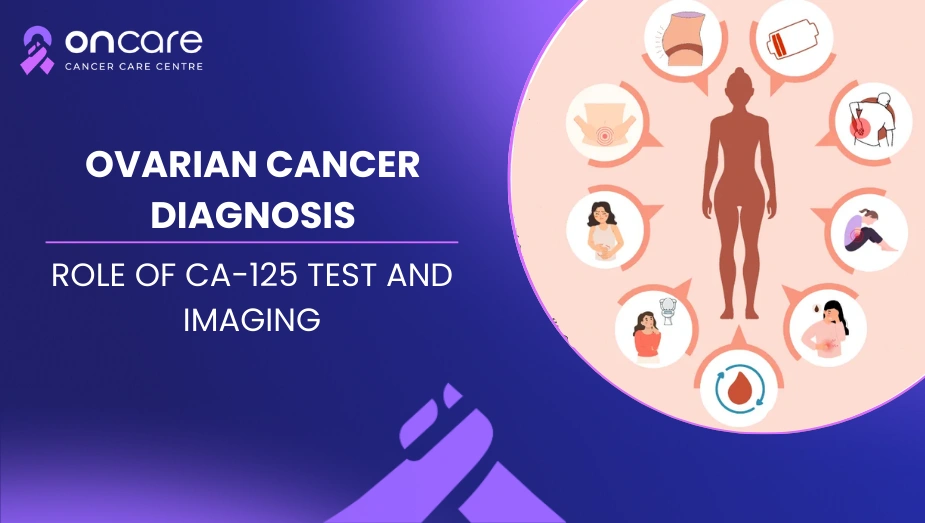
Ovarian Cancer Diagnosis: Role of CA-125 Test and Imaging
Ovarian cancer diagnosis—learn about CA-125 test, imaging scans, and how early detection improves outcomes. Get expert evaluation and care at Oncare today.