Table of Contents
Pregnancy After Cancer: Fertility Preservation Before Treatment Begins

By Dr. Gajendra Kumar Himanshu


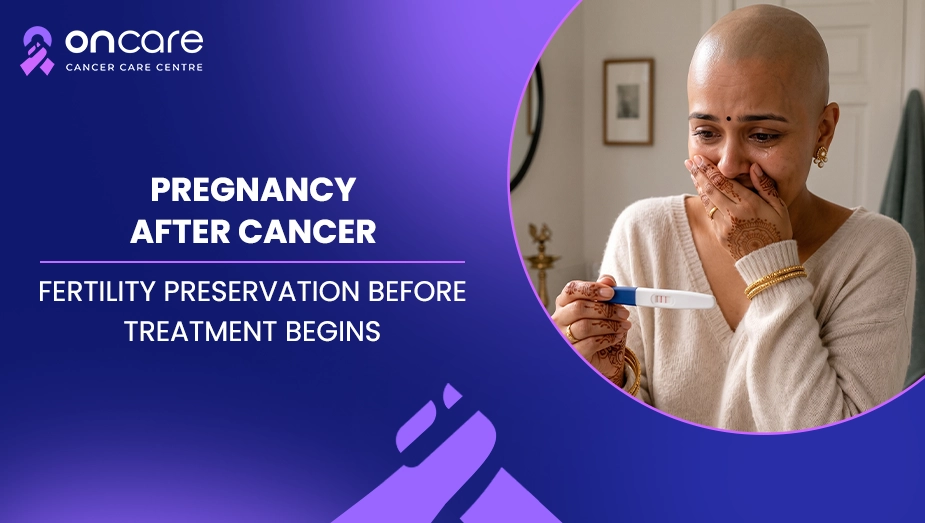
Some cancer treatments can affect fertility and make it harder to have children later on. But many people can still become pregnant after cancer. That’s why fertility preservation is typically discussed before starting treatment. Fertility preservation is a method that can help maintain the ability to have biological children in the future.
What is right depends upon several aspects, such as what sort of cancer, what treatment is planned, age, general health, future family aspirations, and the recommendation of the doctor. Talking about fertility before cancer treatment helps people learn about their options, make informed choices, and feel more confident about planning for the future.
In this blog, we look at fertility preservation, why it’s important to consider before cancer treatment, what options are available and how healthcare professionals help people to make informed decisions.
Why You Should Talk About Fertility Before Treatment
Cancer treatment often needs to begin soon, yet fertility conversations continue to be an important part of care planning. Some cancer treatments may affect:
- Egg production
- Sperm production
- Hormone levels
- Reproductive system
- Potential for future fertility
Not every patient will have a reproductive problem, but early discussions about the possibility give patients a chance to evaluate their alternatives before commencing therapy.
How Cancer Treatment Impacts Your Fertility
The effect of treatment on fertility is different for different treatments and from patient to patient.
Fertility and Chemotherapy
Some chemotherapy medications can damage the ovaries or testicles. Potential effects include:
- Reduced fertility
- Changes in hormone production
- Short-term fertility changes
- Sometimes permanent changes in fertility
Your individual risk may vary.
Fertility After Radiotherapy
Fertility may be affected by radiation therapy if the treatment is aimed at locations near reproductive organs. Doctors consider:
- Treatment location
- Exposure to radiation
- Age of patient
- General well-being
In each scenario, the effect on fertility is different.
Fertility and Surgical Issues
Some operations involve reproductive organs and may affect future fertility. Importantly, surgery is not a guaranteed prophylactic measure, and therapeutic decisions should always be individualized.
Fertility Preservation Options Before Treatment
There are a few things you may do to safeguard your fertility before therapy.
For Women
Depending on the context, this can mean:
- Egg freezing
- Cryopreservation of embryos
- Ovarian tissue banking in special conditions
It depends on your own circumstances and medical guidance.
For Men
Here are some choices:
- Freezing semen
- Cryopreservation of sperm before treatment
These treatments might help preserve your ability to have children in the future.
For Children & Young People
Younger patients and their families can be referred when appropriate for expert discussions on fertility preservation. Healthcare teams will thoughtfully consider:
- Age
- Treatment required
- Future intentions for fertility
- Health reasons
A Practical Guide to Methods of Fertility Preservation
Fertility Preservation Method | Purpose / Objective |
|---|---|
Egg freezing | Preserve eggs before treatment |
Embryo cryopreservation | Store fertilised eggs for later use |
Sperm cryopreservation | Cryopreservation of sperm before treatment |
Tissue conservation | May preserve fertility in some circumstances |
Consultant appointment | Helps patients learn about the choices available |
What to Expect at a Fertility Consultation
Generally, a fertility consultation involves a meeting with doctors before you begin any treatment. Doctors might consider:
- Cancer diagnosis
- Treatment protocol
- Medical history
- Family planning goals
- General wellness
- Time available before initiation of therapy
This discussion is part of a personal journey.
What Patients Want to Know
Fertility preservation is typically a cause of anxiety for many people. Common questions are:
- Will therapy affect my fertility?
- What methods of preservation are available?
- How long does the pre-treatment take?
- What are the outcomes?
- Can I become pregnant in the future?
There are no wrong questions in these discussions. Healthcare teams are on hand to provide information and support.
The Heart of Fertility Options
There is a lot to learn about cancer, along with thinking about what you want to do in the future with your family.
Some people may experience feelings such as:
- Worry over fertility
- Uncertainty about what to do now
- Hope about the options available
- Feeling overwhelmed by options
These feelings are understandable.
The following can provide support:
- Family and friends
- Fertility doctors
- Counsellors
- Cancer care teams
- Support groups
Open discussions can make patients feel more informed and supported.
How Doctors Help Patients Make Choices
Fertility plans are not one-size-fits-all. Healthcare teams review:
- Individual risk factors
- Family history
- Genetic testing results
- Overall health
- Cancer type
- Need for urgent treatment
- Personal goals
All these factors, along with the advice of the doctor, should always be considered before making the final decision.
Find Out More From Reliable Sources
Accurate information can help patients and families better comprehend fertility preservation and future family planning after cancer.
The National Cancer Institute provides evidence-based educational tools on fertility, cancer treatment, and survivorship for patients and caregivers.
Looking Ahead with Hope
Many cancer survivors go on to have families after treatment. Fertility preservation doesn’t guarantee a pregnancy in the future, but it may give some patients more chances.
Knowing what options are available before treatment starts may help people to feel more prepared and confident about the future.
Every situation is different. Decisions about fertility preservation should be individualised based on personal risk, family history, findings of genetic testing, health status, personal goals, and the recommendations of the health care team.
Consult Today
For certain patients, the ability to preserve fertility before cancer treatment might be a major consideration for future family planning. Pre-treatment options include egg freezing, embryo freezing, sperm freezing, and other preservation techniques. A first contact with health care providers can help patients decide and know what to expect.
Decisions about fertility preservation should be made based on personal risk, family history, genetic test results, general health, and a doctor’s recommendation. Oncare Cancer Hospital is a name you can trust for expert guidance, comprehensive cancer care, and compassionate patient support from diagnosis, treatment, recovery, to survivorship.





Frequently Asked Questions
Many women can get pregnant following cancer treatment; however, their fertility may be affected depending on the treatment they receive.
Fertility preservation is a process that is done before cancer treatment to optimise the possibilities of having biological children in the future.
This is usually best discussed before cancer treatment so that the options accessible to you can be reviewed.
No. Fertility preservation provides options for the future, but does not assure a future pregnancy.
Written and Verified by:
Dr. Gajendra Kumar Himanshu Exp: 10 Yr
Medical Officer
Book an Appointment
Related Blogs

Sexual Health and Intimacy After Cancer Treatment: A Practical Guide
Learn how cancer treatment can affect intimacy, sexual health, relationships, and recovery, with expert support from Oncare Cancer Hospital.
Salivary Gland Tumors: Types, Warning Signs, and Treatment Options
Learn about salivary gland tumor symptoms, diagnosis, treatment options, and warning signs. Expert cancer care and support at Oncare Cancer Hospital.
Indian Vegetarian Diet During Cancer Treatment: A Sample Weekly Plan
Explore an Indian vegetarian diet during cancer treatment with a sample weekly meal plan, nutrition tips, and recovery support from Oncare Cancer Hospital.
Sexuality and Intimacy During Cancer Treatment: Honest Conversations for Couples
Learn how cancer treatment affects intimacy, emotional connection, and relationships with support, guidance, and care from Oncare Cancer Hospital experts.