Table of Contents
Sexuality and Intimacy During Cancer Treatment: Honest Conversations for Couples

By Dr. Gajendra Kumar Himanshu


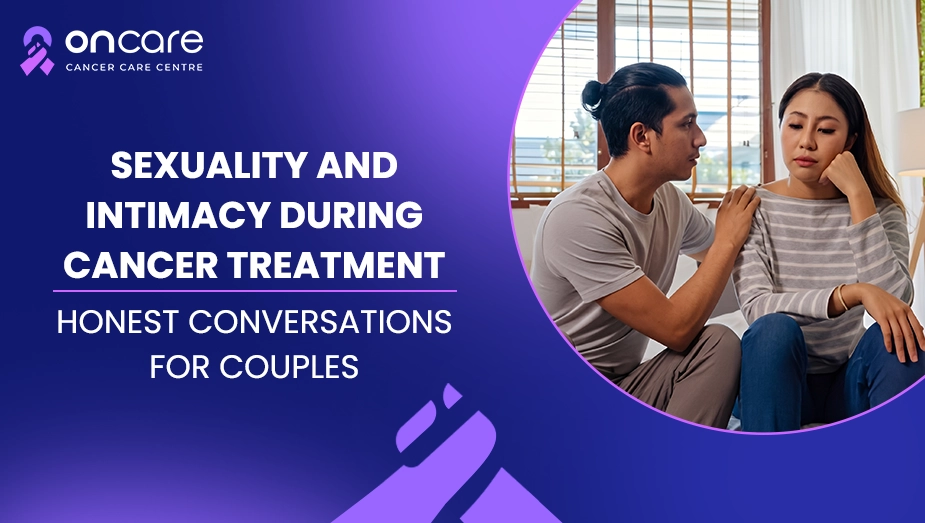
Physical side effects, mental stress, hormonal changes, and treatment-related exhaustion might affect sexuality and intimacy throughout cancer therapy. But these obstacles don’t mean intimacy is dead. Honest conversations, understanding, medical supervision, and emotional support can help couples to maintain successful relationships during Cancer treatment and recovery.
Sex and Intimacy During Cancer Treatment
A Cancer diagnosis impacts so much more than just physical health. It can affect emotions, relationships, body image, and sexual well-being. Changes in intimacy are common throughout treatment, but few patients or their spouses are comfortable discussing them.
Sexuality is not just sexual action. It also encompasses love, emotional closeness, physical touch, trust, and how a person feels about their own body. These may change briefly or in some circumstances for a longer term throughout Cancer treatment.
Knowing about these changes might help couples cope together and not feel alone.
Why Does Cancer Treatment Impact Sexuality?
The cancer and its treatment might have various effects on sexual health. Effects depend on the kind of Cancer, treatment method, age, and general health.
Typical explanations are:
- Postoperative discomfort
- Chemotherapy-related Fatigue
- Hormonal shifts
- Radiation Therapy Side Effects
- Stress and emotional upset
- Changes in body image
- Certain drugs that diminish sexual desire
These alterations are frequently transitory and may improve with treatment or supportive care.
Frequent Physical Changes Affecting Intimacy
Low Energy and Fatigue
Patients are often tired after cancer treatments. When the body is in healing mode, sex may simply become less of a priority.
Pain or Unpleasant Sensations
Intimacy discomfort can be caused by surgery, radiation therapy, or inflammation due to treatment. The placement of the Cancer also matters.
Hormonal Changes
Treatment for breast, ovarian, prostate, or testicular cancer can influence hormone levels. This can lower a person's libido and result in physical symptoms like vaginal dryness or erectile dysfunction.
Alterations in Body Image
Hair loss, weight fluctuations, surgical scars, or the removal of breasts may lead some people to feel less confident about their look. These feelings might impact emotional and physical closeness.
Emotional Challenges Couples May Face
The physical rehabilitation is only part of the trip. Relationships can also be affected by emotional shifts.
Common feelings of worry are:
- Fear of being rejected
- Worry about the future
- Lack of self-confidence
- Depression (continued)
- Not feeling good enough
- Fear of damaging a partner’s feelings
These are normal feelings and should never be seen as an indication of relationship failure.
Open Communication is the Bedrock of Intimacy
One of the primary ways couples stay connected is to have open and honest communication.
Partners should be comfortable talking about, not shying away from, the topic:
- Physical Pain
- Emotional problems
- Changes in sex drive
- Side effects of treatment
- Individual expectations
- Fears and doubts
Listen without judgment to build trust, and misconceptions tend to evaporate.
Sexual Activity is Not the Only Intimacy
Couples often find new methods to show love during treatment.
Intimacy can mean:
- Hand in hand
- Snuggle Hugs
- Time to Be Quiet Together
- Gentle massage
- Open conversations
- Sharing everyday activities
These types of intimacy assist in sustaining the emotional connection throughout times of sexual downtime.
Can I Have Sex During Cancer Treatment?
Yes, in many circumstances. But the answer depends on the person’s medical condition and treatment.
Your doctor may recommend interim precautions if:
- Very low blood counts
- The risk of infection is considerable
- Recent surgery needs to heal
- Some drugs may alter immunity
- Pain or blood happening
Check with your oncology team about when it's safe to resume sexual activity.
Sexual Side Effects Common: How to Manage
For Women
Women may have:
- Dryness of the vagina
- Dyspareunia
- Decreased sexual drive
- Treatment-related early menopause
Helpful measures:
- Water-based lubricant
- Vaginal lubricants
- Pelvic floor training
- Hormonal therapies of medical relevance
- Gynecologist visit
For Men
Men may observe:
- Erectile dysfunction
- Testosterone levels are low
- Decreased libido
- Difficulty getting an erection
Treatment possibilities include:
- Changes in lifestyle
- Prescription medicines
- Erection aids
- Therapy
- Referral to a urologist
Better management generally comes from early discussion with a health care provider.
How to Support Partners
Partners have a crucial part in the treatment of Cancer. Ways to help include:
- Patience in the healing process
- Avoiding pressure around sexual activity
- Frequently showing affection
- Making room for honest interactions
- Going to doctor appointments together
- Adapting to shifting emotional requirements
Little things of understanding might have more power than big things.
When Should Couples Get Professional Help?
Sometimes couples need a little more help. Think about consulting a healthcare provider if:
- Sexual difficulties persist despite treatment
- Emotional anxiety influences relationships
- It’s hard to be intimate with pain
- Communication gets difficult
- Develop anxiety or depression
Support may include:
- Oncologists
- Psychologists
- Sex therapists
- Relationship therapists
- Urologists
- Gynecologists
Professional help can restore a couple’s confidence and improve the quality of their lives.
How to Keep Your Relationship Healthy During Cancer Treatment
- Be open and honest in your communication.
- Focus on the emotional connection.
- Allow your body time to heal.
- Respect each other’s feelings.
- Discover the various types of closeness.
- Follow medical guidance about sexual activity.
- Get counseling if you need it.
- Celebrate the little victories.
Strong partnerships rely on understanding, flexibility, and mutual support.
Myths About Sex During Cancer Treatment
Myth | Fact |
|---|---|
Cancer always kills the sex life of a relationship. | Many couples are still able to be intimate with a few modifications and medical advice. |
Not every Cancer patient is safe to have sex. | After talking with their doctor, many patients can safely go back to sexual activity. |
Loss of sex drive is a symptom of a failed relationship. | Fatigue from treatment, hormones, and mental stress might decrease libido. |
Talking about intimacy is awkward. | Talking openly helps lower anxiety and makes partners more satisfied with the relationship. |
Consult Today
Cancer therapy can influence patients’ physical and mental well-being, including relationships and intimacy. Openly addressing these concerns can enhance the quality of life for patients and their partners.
At Oncare Cancer Hospital, our team of specialized specialists recognizes that cancer care is more than just medical treatment. We offer patients and families tailored guidance, counseling, and comprehensive care, so they may traverse all stages of the Cancer journey with confidence and compassion.





Frequently Asked Questions
Yes. Both men and women may have a temporary decrease in sexual desire as a result of chemotherapy, radiation therapy, hormonal changes, emotional stress, and weariness.
Many individuals can safely have sex during their treatment; however, this depends on the type of Cancer, the treatment plan, blood counts, and overall health. Always do what your doctor tells you to do.
Open communication, emotional support, physical love, patience, and finding methods to be close that don't include sex and that respect each other's comfort level.
It’s important to talk about any issues you have about sexual health, intimacy, pain, fertility or treatment-related side effects as early as possible. Your health care team can propose proper treatment or refer you to specialists.
Written and Verified by:
Dr. Gajendra Kumar Himanshu Exp: 10 Yr
Medical Officer
Book an Appointment
Related Blogs
Cancer Treatment in India for International Patients: What to Expect
Explore cancer treatment in India for international patients. Oncare Cancer Hospital helps with advanced care, costs, travel support, and the treatment process.
Blood Cancer Treatment in India: BMT and Costs
Learn about blood cancer treatment in India, Bone Marrow Transplant (BMT), recovery, and treatment costs with expert care from Oncare Cancer Hospital.
Can Anal Sex Cause Colon Cancer?
Can anal sex cause colon cancer? Learn the medical facts, real risk factors, and prevention tips. Consult Oncare Cancer Hospital today for expert cancer care.
Is Oral Sex Linked to Throat Cancer? Facts vs Myths
Can oral sex cause throat cancer? Learn how HPV spreads, its link to throat cancer, warning signs, risk factors, and prevention with Oncare Cancer Hospital.