Table of Contents
Indian Vegetarian Diet During Cancer Treatment: A Sample Weekly Plan

By Dr. Gajendra Kumar Himanshu


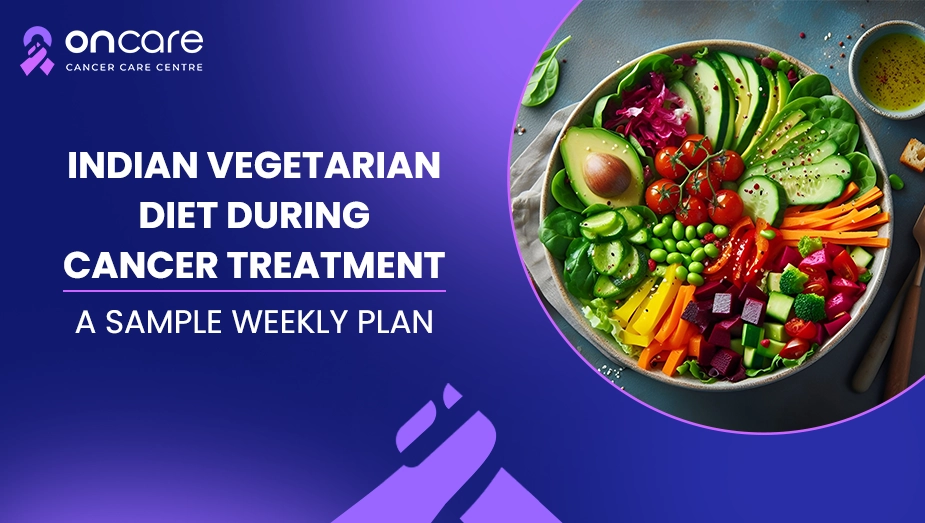
An Indian vegetarian diet during Cancer treatment can help in supporting energy levels, maintaining body weight, and providing critical nutrients during Chemotherapy, Radiation Therapy, or Surgery. Eating a balanced diet that includes protein, whole grains, fruits and vegetables, healthy fats, and enough fluids can help patients cope with side effects of medication and enhance quality of life. Nutritional needs vary from patient to patient, and so the diet should always be individualized by a health care provider.
Importance of Nutrition During Cancer Treatment
A good diet is a crucial aspect of Cancer care. Food cannot cure cancer, but a healthy diet helps the body to cope with therapy, recuperate from illness, and preserve strength.
Many people suffer changes in appetite, taste, digestion, or energy levels during Chemotherapy, Radiation Therapy, or after Surgery. A well-planned vegetarian diet will provide the calories, protein, vitamins, and minerals needed for recovery.
The object is not to adhere to a rigid diet, but to consume foods that are healthy and easily digestible and which are compatible with the patient's condition.
Can a Vegetarian Diet Meet Nutritional Requirements?
Yes. A well-planned Indian vegetarian diet can give most of the nutrients needed during Cancer therapy.
Important nutrients are:
- Protein
- Complex carbs
- Healthy fats
- Iron
- Calcium
- Vitamin B-12
- Vitamin D
- Zinc
- Dietary fiber
- Fluids
Should nutritional inadequacies be detected, it may be necessary to supplement some patients. Always check with your health care provider before taking any vitamins or herbal products.
Nutritional Support During Cancer Therapy
Nutrient-rich foods can assist you in recuperating and give you energy.
Include foods like:
- Dal and lentils
- Rajma and chole
- Tofu or paneer
- Curd & Yogurt
- Milk (if you can handle it)
- Whole wheat chapati
- Brown rice
- Oats
- Grains - Millet
- Seasonal fruit
- Cooked greens
- Nuts & Seeds
- Nut butter
- Healthy oils in moderation
Often, when being treated, soft, freshly made foods are easier to tolerate.
Foods That Might Need to Be Restricted
Depending on the side effects of medication, your doctor or dietician may suggest that you limit:
- Deep-fried food
- Ultra-processed snack foods
- Sweet drinks
- Too many spicy foods
- Alcohol
- Raw milk and other raw dairy products
- Raw Sprouts If You Have Low Immunity
Food safety is of particular concern for people with compromised immunity undergoing Chemotherapy.
If you want to know more about diet during Cancer treatment, check the official page of the National Cancer Institute.
Sample Indian Vegetarian Diet Plan For A Week
Day | Breakfast | Lunch | Evening Snack | Supper |
|---|---|---|---|---|
Monday | Oats with milk and vegetables | Dal, Roti, Mixed veggies, Curd | Fruit with roasted chana | Khichri with vegetable soup |
Tuesday | Peanut Poha | Rajma, Brown rice, Salad | Banana shake | Paneer curry with chapati |
Wednesday | Moong dal pancake with yogurt | Mixed vegetable pulao with raita | Not many nuts | Dal, chapati, spinach sabzi |
Thursday | Idli with sambar | Chole with roti | Fresh fruit salad | Vegetable khichdi with yogurt |
Friday | Vegetable Upma | Dal, rice, pumpkin sabzi | Buttermilk and roasted makhana | Tofu curry with chapati |
Saturday | Besan chilla with mint chutney | Mixed dal, millet roti | Yoghurt with fruit | Rice and Vegetable Stew |
Sunday | Curd with stuffed vegetable paratha | Chapati with paneer bhurji | Nuts and coconut water | Dal cooked soft with rice |
Frequent Eating Difficulties in Treatment
Cancer therapy can impact dietary habits. Small changes might make eating more comfortable.
Poor Appetite
Try:
- Small, regular meals
- Protein-packed snacks
- Smoothies
- Soups from Scratch
- Eat whenever you feel hungry
Feeling Nauseous
Here are some useful tips:
- Having dry snacks before getting out of bed
- Eating bland foods
- Avoid oily foods
- Drinking fluids in between meals rather than with meals
Canker Sores
Often, soft meals are easier to eat. These are:
- Khichdi
- Curd
- Potato mash
- Smoothies
- Well-cooked vegetables
- Soup and dal
Avoid spicy, acidic, or abrasive-textured foods if they cause problems.
Shift in Taste
Try:
- Fresh herbs
- Lightly spiced
- Lemon if tolerated
- Different cooking techniques
Taste usually improves after treatment is finished.
Keeping Hydrated During Cancer Treatment
Hydration helps with digestion, circulation, and healing.
Good fluid choices are:
- Water
- Coconut water
- Water with lemon
- Buttermilk
- Fresh soups
- Recommended oral rehydration solutions
Drink water consistently throughout the day and don't wait until you're thirsty.
Safety Tips for Food Preparation
If you are on chemotherapy, your immune system may be weak, making food safety extremely crucial.
Take these easy precautions:
- Wash fruits and vegetables well.
- Cook food thoroughly.
- Don’t leave old food behind.
- Keep food in the refrigerator safely.
- Wash hands before handling food.
- Use clean cutting boards and utensils.
These steps can lower the chance of getting sick from meals.
Should You Use Nutritional Supplements?
Nutritional supplements might be helpful for some cancer patients, especially if they have trouble eating enough.
However, supplements should be taken only after consulting your oncologist or clinical dietitian.
Talk to your doctor before using herbal supplements or high-dose vitamins. Some herbs and vitamins can impact Cancer treatment.
Nutrition Myths You May Hear When You Have Cancer
Myth | Fact |
|---|---|
Vegetarian diets don't give adequate protein. | Dal, dairy, soy, legumes, and nuts can all provide protein in a well-planned vegetarian diet. |
Carbohydrates are not allowed to cancer sufferers. | Healthy carbs give you energy and are an important component of a balanced diet. |
Special anti-Cancer foods can cure cancer. | No one food can cure Cancer. Nutrition is a very important part of overall health, outside of medical treatment. |
Supplements are always superior to food. | Whole foods are still the best source of most nutrients, when possible. |
Everyday Eating Tips
Eating might be easier throughout treatment if you adopt simple routines.
- Eat small meals every 2 to 3 hours.
- Add a protein source to each meal you consume.
- Have nutritious snacks around.
- Drink lots of fluids daily.
- Listen to your hunger cues and don't force yourself to eat big meals.
- If your doctor says you can, keep moving.
- If you have trouble eating, talk to a trained dietitian.
Nutrition regimens should be updated according to the course of therapy and the individual needs.
Consult Today
Good nutrition is part of the comprehensive Cancer care. In addition to individualized medical care, a healthy vegetarian diet can help sustain strength, enhance recovery, and control treatment-related adverse effects.
At Oncare Cancer Hospital, we understand the importance of a multi-disciplinary approach in cancer therapy and work with each patient to give nutritional counseling and support in addition to sophisticated Cancer treatment. If you are receiving Cancer therapy and have questions regarding your food, ask your oncology team or a competent clinical nutritionist for a specific nutrition plan.





Frequently Asked Questions
Yes. A well-planned vegetarian diet can give necessary protein, vitamins, minerals, and energy throughout Cancer therapy. Meal plans should be individualized as per the patient’s medical condition.
Dal, lentils, paneer, tofu, soy products, yogurt, milk, beans, chickpeas, nuts, and seeds are good sources of protein.
Eat small, regular meals and bland foods such as khichdi, bread, bananas, soups, and curd if permitted. And stay hydrated. That’s vital too.
Not necessarily. Talk to your oncologist or dietitian before taking any supplements, as some products may interact with Cancer treatments or medications.
Written and Verified by:
Dr. Gajendra Kumar Himanshu Exp: 10 Yr
Medical Officer
Book an Appointment
Related Blogs
Colon Cancer Diet: Foods to Eat and What to Avoid
Learn which foods to eat and avoid to safely manage colon cancer. Boost digestion, immunity, and recovery with expert diet tips from Oncare Cancer Hospital.
Cancer and Diet in Indian Cuisine: Traditional Foods That Support Recovery
Explore cancer and diet in Indian cuisine and learn how traditional Indian foods support recovery. Consult Oncare Cancer Hospital today for expert cancer care.
Diet for Liver Cancer Patients
Learn about the best diet for liver cancer patients, including healthy foods to eat, foods to avoid, managing appetite during treatment, and how proper nutrition supports recovery and strength.

Best Diet Plan for Breast Cancer Patients: Boost Immunity and Energy
Discover more about the best diet plan for breast cancer patients and how it improves patients immunity and energy levels and key nutrients for breast cancer patients!