Table of Contents
Esophagectomy: Food Pipe Cancer Surgery and How to Eat After

By Dr. Gajendra Kumar Himanshu


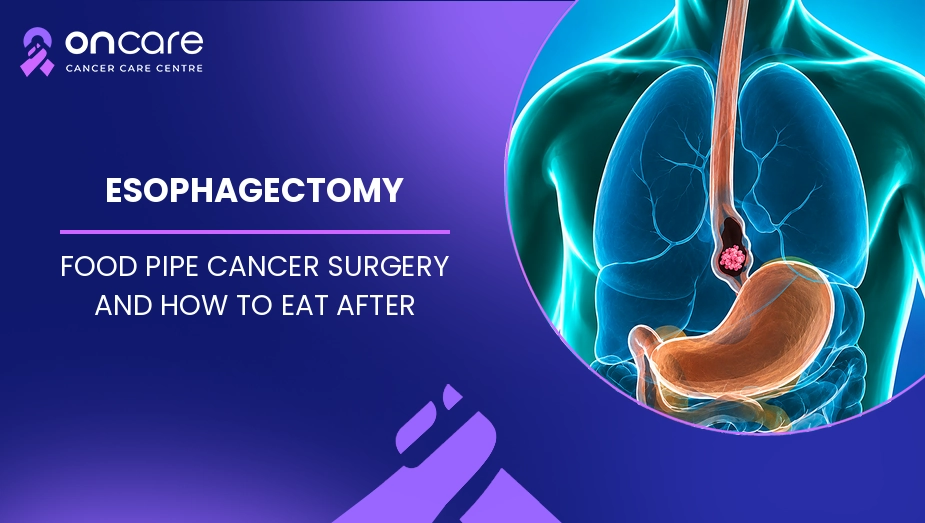
An esophagectomy is an operation to remove part or most of the esophagus, also called the food pipe, when cancer is present. During the surgery, the surgeon removes the part of the esophagus containing the tumour and usually reconnects the remaining esophagus with the stomach so that food can continue to pass into the digestive system.
After an esophagectomy, eating may feel different because the stomach and food pipe have been changed. Patients may need to eat smaller meals, chew food well, eat more often, and follow specific advice from their doctor or dietitian.
In this blog, we will explain why an esophagectomy is done, how the surgery works, what recovery may involve, and how to eat safely and comfortably after the operation.
What Is an Esophagectomy?
An esophagectomy is a type of cancer surgery in which a surgeon removes part of the esophagus. The esophagus is the muscular tube that carries food and drinks from the throat to the stomach.
The amount of the esophagus that needs to be removed depends on the location and stage of cancer. Nearby lymph nodes may also be removed and checked for cancer cells.
After removing the affected part, the surgeon usually connects the remaining esophagus to the stomach. In some cases, another part of the digestive tract may be used to create this connection.
Why Is Esophagectomy Done?
Esophagectomy is mainly used to treat certain esophageal cancers that can be removed with surgery. The decision depends on the cancer’s location, stage, spread, and the patient’s overall health.
Surgery may sometimes be combined with chemotherapy or radiation therapy. Doctors decide the treatment plan after looking at scans, biopsy results, cancer stage, and other health factors.
How Is Esophagectomy Performed?
There is more than one way to perform an esophagectomy. The approach depends on where the tumour is located and the surgeon’s operative plan.
The surgery may involve incisions in the chest, abdomen, or neck. In selected patients, minimally invasive techniques can be used. During the operation, the surgeon removes the tumour along with some surrounding tissue, which is then examined.
The stomach is usually pulled up and attached to the remaining esophagus. This creates a new path for food to travel from the mouth into the stomach and intestine.
What Happens to the Stomach?
The stomach is not usually removed completely. Instead, part of it may be reshaped and moved upward to connect with the remaining esophagus.
Because the stomach has less space and is positioned differently, patients may feel full sooner after eating. Food may also move into the intestine faster than it did before surgery.
What to Expect After Esophagectomy
Recovery after an esophagectomy takes time. Doctors monitor healing, breathing, swallowing, nutrition, and other important functions, and patients usually stay in hospital for a period after the operation.
Some patients may need to be fed through a tube or receive another form of nutritional support until they can eat normally.
Once home, the recovery continues. Your surgical team may give you advice on wound care, medicines, physical activity, and follow-up appointments.
For general information about recovery after cancer surgery, you can read this guide to cancer surgery.
How to Eat After Esophagectomy
Eating after esophagectomy can take some adjustment. The goal is to get enough calories, protein, and fluids without making yourself too full or uncomfortable. Your dietitian or cancer care team may suggest changes based on your recovery and nutritional needs.
Eating habit | Why it may help |
|---|---|
Eat small meals | Helps prevent feeling too full |
Eat 5–6 times a day | Makes it easier to get enough nutrition |
Chew food well | Makes food easier to swallow and digest |
Eat slowly | Gives your body more time to handle food |
Choose protein-rich foods | Supports healing and muscle strength |
Drink fluids between meals | May help you eat enough food |
Sit upright while eating | Can make swallowing and digestion more comfortable |
Follow your dietitian’s advice | Helps meet your individual nutrition needs |
Small, frequent meals are commonly recommended after esophageal cancer treatment because the stomach may hold less food after surgery.
What Foods Can Be Easier to Eat?
At first, your doctor may recommend soft or easy-to-swallow foods. The diet can then gradually change as your swallowing and digestion improve.
Depending on your medical advice, suitable foods may include:
- Soft eggs
- Well-cooked vegetables
- Soft rice or porridge
- Yogurt or curd
- Soft fish or tender chicken
- Soups
- Mashed potatoes
- Smoothies or nutrition drinks
Foods that are easy to chew and swallow can be useful when eating solid food is difficult.
Your dietitian may also recommend high-protein and high-calorie foods if you have lost weight or need extra nutrition during recovery.
Foods and Habits to Be Careful With
Some foods may be harder to swallow or digest after surgery. Very dry, tough, crunchy, or large pieces of food may cause discomfort.
Spicy foods, very hot foods, acidic foods, fizzy drinks, or alcohol may also cause problems for some patients. The foods you need to avoid can vary from person to person.
It is better to introduce foods gradually and notice how your body responds. Do not make major diet changes without discussing them with your cancer care team.
You can also read about managing cancer treatment side effects for practical information during recovery.
What Is Dumping Syndrome?
Some patients develop a problem called dumping syndrome after esophagectomy. It can happen when food moves into the small intestine too quickly.
Symptoms may include stomach discomfort, diarrhoea, sweating, weakness, flushing, dizziness, or a fast heartbeat after eating.
Eating smaller meals and following the diet plan provided by your doctor or dietitian may help manage these symptoms.
If symptoms continue or make it difficult to eat, tell your healthcare team. They may change your meal plan or recommend other treatment.
How to Maintain Weight After Surgery
Weight loss can be a concern after esophagectomy. Cancer, surgery, reduced appetite, and changes in digestion can all make it harder to eat enough.
Try to focus on nutritious foods rather than simply eating large amounts. Protein-rich foods can support healing and help maintain muscle. Your dietitian may also recommend nutrition drinks if you cannot get enough calories from regular food.
If you continue losing weight, have difficulty swallowing, or cannot eat enough, tell your doctor. Nutritional support, including tube feeding in some cases, may be needed.
When Should You Contact Your Doctor?
Some changes in eating are expected after esophagectomy, but certain symptoms should not be ignored.
Contact your medical team if you have persistent vomiting, severe difficulty swallowing, repeated choking, significant weight loss, dehydration, fever, severe abdominal or chest pain, or worsening symptoms.
Regular follow-up is important because your doctors can check your recovery, nutrition, and overall health after surgery.
If you want to read more about esophagectomy, you can visit the National Cancer Institute.
Consult Today
Esophagectomy is a major surgery used for selected patients with food pipe cancer. Recovery can take time, and eating habits often need to change after the operation. With proper medical care, nutrition support, and regular follow-up, patients can gradually adjust to these changes.
At Oncare Cancer Hospital, cancer care can include diagnosis, cancer surgery, chemotherapy, radiation therapy, targeted treatment, immunotherapy, and supportive care depending on the patient’s condition. The treatment plan is based on the cancer type, stage, location, and overall health.
Disclaimer
This information is for educational purposes only and does not constitute medical advice, diagnosis, or treatment. Always discuss decisions about surgery, diet after surgery, or any cancer treatment with a certified cancer healthcare provider.





Frequently Asked Questions
An esophagectomy is surgery to remove part of the esophagus, usually to treat certain esophageal cancers.
Many people can eat a variety of foods after recovery, but meal size, timing, and food choices may need to change.
Small meals may help because the stomach may hold less food, and food can move into the intestine more quickly after surgery.
Recovery varies between patients and depends on the type of surgery, overall health, and whether other cancer treatments are needed.
Written and Verified by:
Dr. Gajendra Kumar Himanshu Exp: 10 Yr
Medical Officer
Book an Appointment
Related Blogs

Hairy Cell Leukaemia: Symptoms, Diagnosis and Treatment of a Rare Blood Cancer
Learn about hairy cell leukaemia, its symptoms, causes, diagnosis, BRAF testing, treatment options, watchful waiting and follow-up care at Oncare Cancer Hospital.
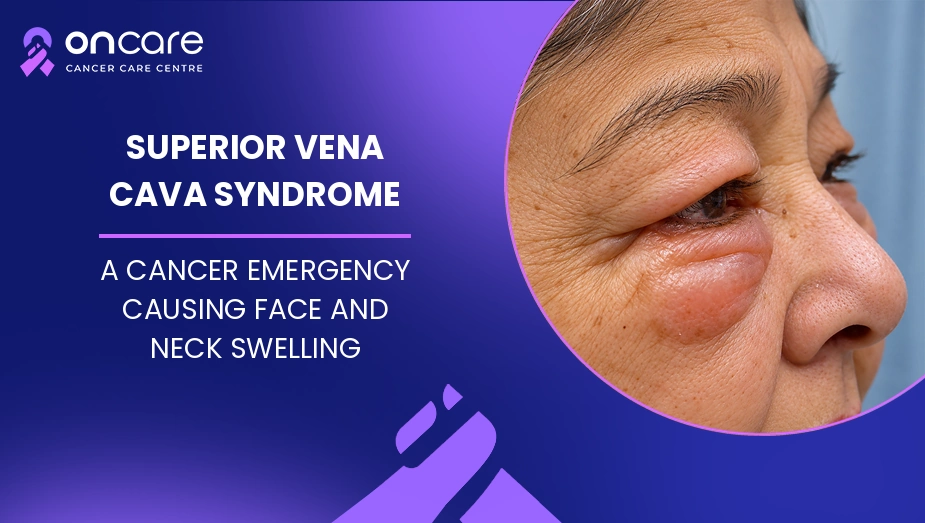
Superior Vena Cava Syndrome: A Cancer Emergency Causing Face and Neck Swelling
Learn about superior vena cava syndrome, its symptoms, diagnosis, emergency warning signs, stent placement, and treatment options at Oncare Cancer Hospital.
Neutropenic Diet: Safe Eating When Your Immunity Is Low During Chemotherapy
Learn about the neutropenic diet during chemotherapy, including safe foods, food safety, nutrition, and infection prevention at Oncare Cancer Hospital.