Table of Contents
Breast Cancer Care Plan: A Holistic Approach to Healing
By Dr. Gajendra Kumar Himanshu


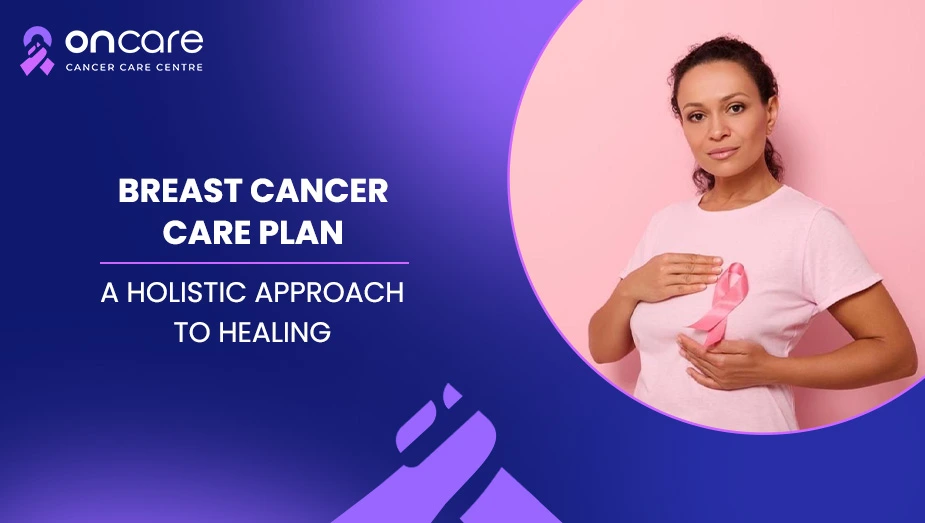
Breast cancer is more than simply a health problem; it's a journey that changes how you feel, think, and act. People may feel terrified, bewildered, or overwhelmed when they first learn they have cancer. But if you have the correct treatment plan, support system, and information, you can make this journey easier.
This blog will explain what a holistic breast cancer care plan is, how it works, and how it helps the body heal as a whole, not just the cancer.
What does a plan for holistic breast cancer care look like?
A holistic care approach treats the whole person, not just the cancer. It gives you medical care, emotional support, good food, changes to your lifestyle, and help with your mental health.
This plan makes patients feel better, have fewer side effects, and get better faster.
The First Thing to Do Is Get Medical Help
The stage of cancer, the person's age, and how healthy they are all determine how they are treated. You can also go to the official page of the National Cancer Institute for accurate and reliable information.
Common Ways to Treat
Most of the time, doctors suggest one or more of these treatments:
- Surgery to remove the tumor
- Chemotherapy (to kill cancer cells)
- Treatment with radiation
- Hormone therapy
- Targeted therapy
Mental and Emotional Health
Having breast cancer might make you feel worried, terrified, and agitated. If you don't pay attention to your mental health, it may take longer to get better. Writing in a journal or listening to music are two simple actions that can help improve your mood.
How to Keep Your Mind Strong
- Talk to your family and friends.
- Join a support group
- Meditate or do yoga.
- Consider obtaining help from a professional.
Food: The Fuel for Healing
Food is highly important during cancer treatment. Eating well helps the body fight off infections and recuperate faster. Always consult a doctor or dietitian before making substantial changes to your diet.
How to Eat Well
Add:
- Fruits and vegetables that are fresh
- Whole grains
- Lean protein sources include dal, eggs, and chicken.
- A lot of water
Things to Avoid
- Processed food
- A lot of sugar
- Greasy and fried food
Being Physically Active and Living a Healthy Lifestyle
Be Strong and Active
Working out regularly can make you less weary, happier, and more energetic. Depending on how much energy you have, start out slowly and work your way up. You might want to try:
- Walking
- Yoga for people who are new to it
- Stretching exercises
Healthy Lifestyle Habits
- Get 7 to 8 hours of sleep.
- Don't smoke or drink.
- Follow a schedule
Dealing with Side Effects
Common Side Effects
- Losing hair
- Not feeling well
- Sleepiness
- Suffering
What to Do with Them
Doctors may also prescribe treatments that aid with pain.
- Follow the directions for taking your medicine.
- Drink a lot of water
- Eat small meals often.
- Find ways to relax
Why It's Important to Follow Up Regularly
Follow-up care is particularly important following therapy to make sure the person is recovering and to catch any relapses early. Don't miss appointments, even if you feel fine.
What Follow-Ups Are
- Regular check-ups
- Mammograms
- Blood tests
Family and Friends Can Help
Why Help Is Important
Having people with you on your journey makes a big difference. Emotional support helps patients stay positive and motivated.
How to Get Help from Your Family
People usually get better faster when they are with loved ones.
- Be patient and nice.
- Help with daily tasks
- Encourage treatment and healthy habits
Make a Plan for Personalized Care
Every patient is different. Doctors, nutritionists, and counselors all work together to come up with the best plan for the patient. A proper care plan is always made for the person based on:
- Type and stage of cancer
- Age and health condition
- Personal choices and lifestyle
Consult Today
A full plan for breast cancer care involves not only treatment but also ways to help the person heal as a whole. Patients can get better and have a better quality of life by getting medical care, emotional support, eating well, and living a healthy lifestyle.
Oncare Cancer Hospital and other such institutions are known for providing complete cancer care with a focus on the patient. They are also known for providing skilled care and advanced treatment choices.





Frequently Asked Questions
This means taking care of the whole person, not just the cancer. This encompasses their mental, emotional, and physical health.
Yes, eating well strengthens the immune system, makes side effects less severe, and speeds up healing.
Most of the time, it's okay to undertake gentle exercise like walking or yoga, but you should always talk to your doctor beforehand.
Very important. Being emotionally healthy can help treatment work better and make your life in general better.
Written and Verified by:
Dr. Gajendra Kumar Himanshu Exp: 10 Yr
Medical Officer
Book an Appointment
Related Blogs
Can Homeopathy Cure Breast Cancer? Hope vs Reality in Treatment
Can homeopathy cure breast cancer? Learn the facts, risks, and safe treatment options. Expert guidance from Oncare Cancer Hospital for better decisions.
Drugs Used in Breast Cancer: Hormone Therapy, Chemo and Targeted Medicines
How hormone therapy, chemotherapy and targeted therapy work in breast cancer treatment, when each may be prescribed, possible side effects, and how doctors decide which approach is right for a patient.
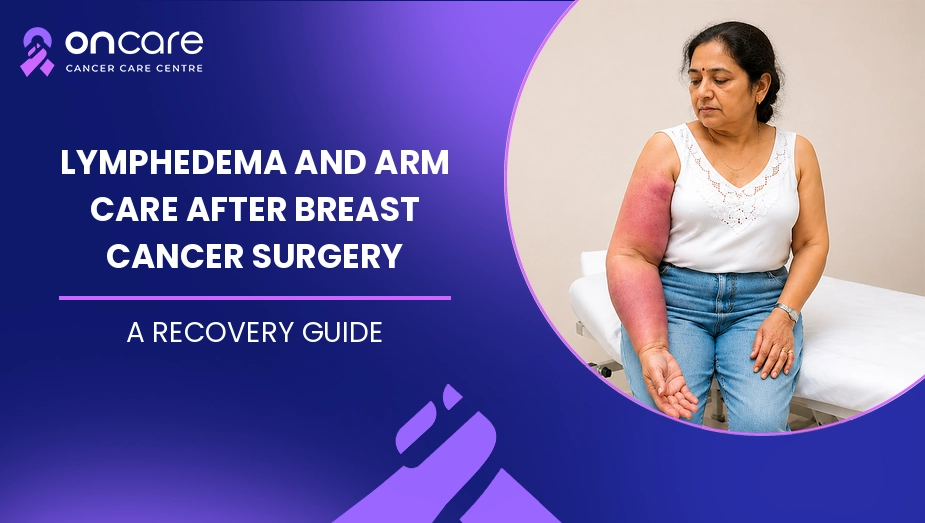
Lymphedema and Arm Care After Breast Cancer Surgery: A Recovery Guide
Learn how to manage lymphedema after breast cancer surgery with arm care tips, symptom awareness, recovery guidance, and support from Oncare Cancer Hospital.
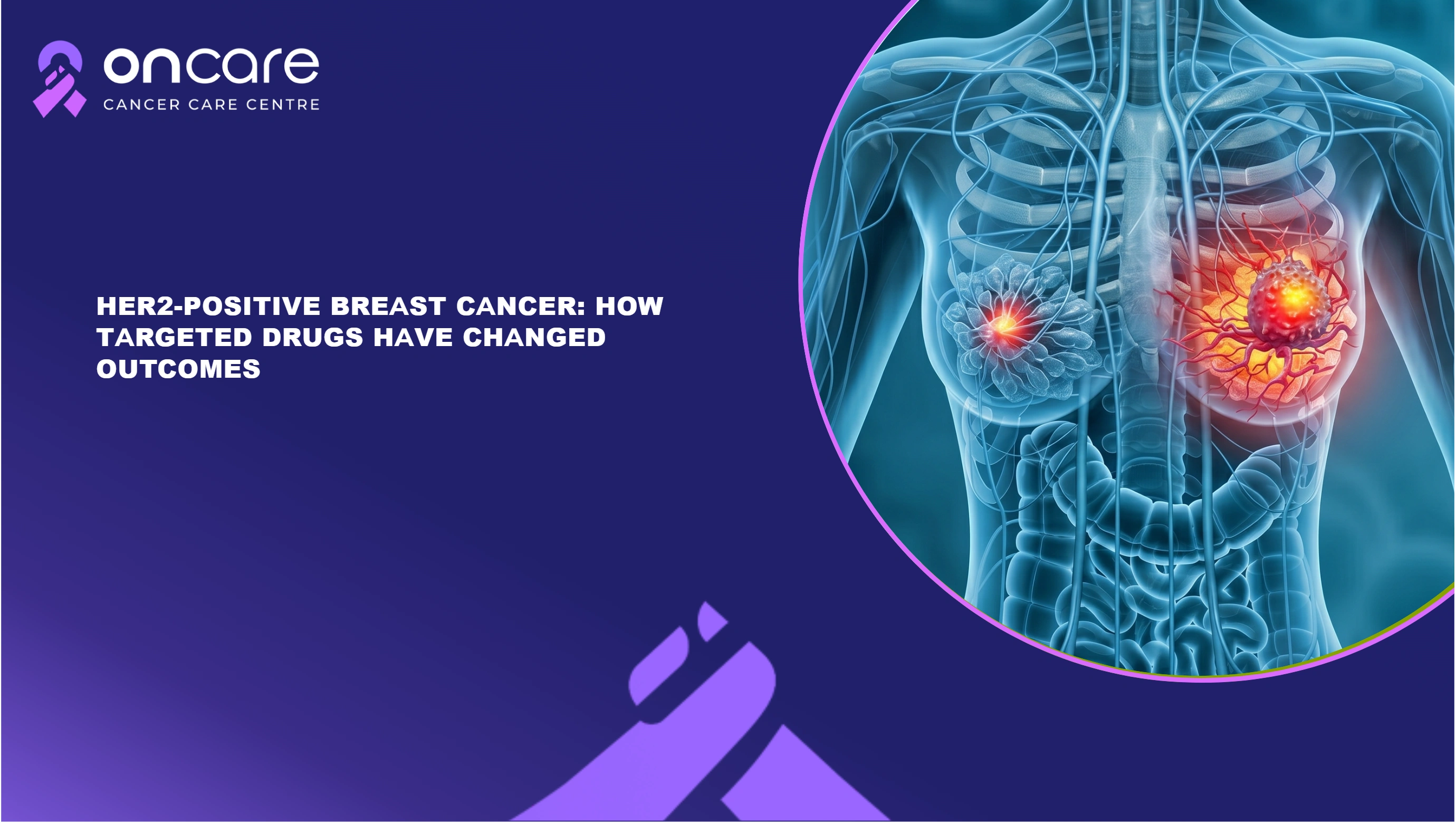
HER2-Positive Breast Cancer: How Targeted Drugs Have Changed Outcomes
Learn about HER2-positive breast cancer, targeted therapy treatments, symptoms, recovery care, advanced medical support, and care at Oncare Cancer Hospital.