Table of Contents
Cancer Cachexia: Causes of Weight Loss & How to Manage It

By Dr. Gajendra Kumar Himanshu


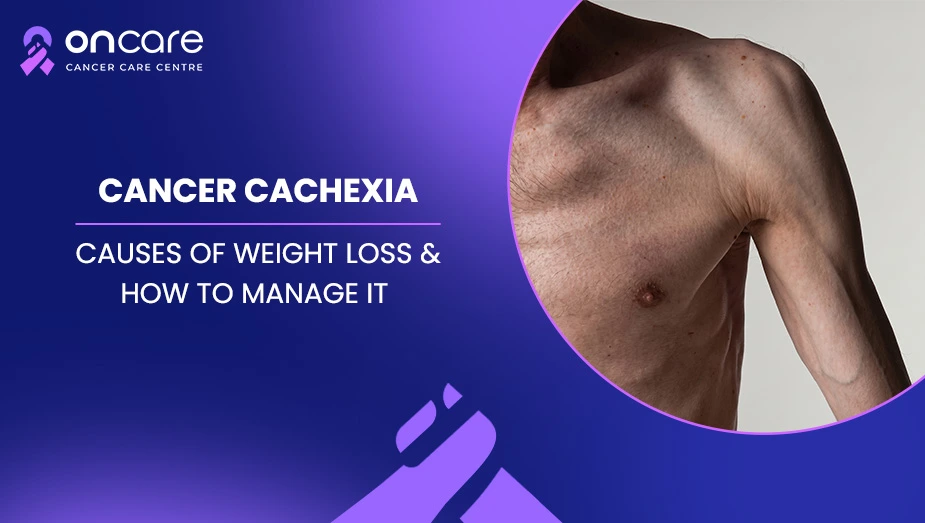
Sudden and unexplained weight loss is one of the most upsetting things that may happen to someone with cancer. It's not simply about eating less. Patients' bodies seem to lose strength and weight even when they try to eat.
Cancer cachexia is the name for this condition, and it can have a big effect on both physical and mental health. Knowing why this happens and how to deal with it can really improve a patient's quality of life.
What is cachexia in cancer?
Cancer cachexia is a complicated disorder that causes people to lose weight, lose muscle, and feel weak all the time. It is not the same as just starving yourself. Even if a person eats adequate food, their metabolism alters in cachexia, which causes their muscles to break down.
The National Cancer Institute says that cancer cachexia is frequent in the later stages of cancer and can impact 50 - 80% of patients, depending on the kind of cancer.
What makes cancer make you lose weight?
People with cancer don't lose weight for just one reason. Several things are changing inside the body that make it happen.
Changes in how the body uses energy
Cancer can alter the body's energy utilization. Tumor cells take up a lot of energy, which implies that normal body systems have less energy to work with. The body may also burn more calories than usual, even while it is at rest.
Not Wanting to Eat
A lot of patients don't feel as hungry as they used to. The illness itself or the negative effects of therapies like chemotherapy could be to blame. Patients may feel that food tastes different or that they get full quickly.
Inflammation in the body
Cancer can cause inflammation, which releases chemicals that break down muscle. This is one of the key reasons why people lose muscle as well as fat.
Effects of Treatment
Chemotherapy and radiation therapy can make you ill, make you puke up, give you mouth sores, and make you fatigued. These side effects make it harder to receive the nutrition you need and eat well.
How is Cancer Cachexia Different from Normal Weight Loss?
Factor | Normal Weight Loss | Cancer Cachexia |
|---|---|---|
Cause | Reduced calorie intake | Metabolic changes + inflammation |
Muscle Loss | Minimal initially | Severe and rapid |
Reversibility | Often reversible with diet | Difficult to fully reverse |
Appetite | Usually present | Often reduced |
How to Deal with Cancer Cachexia
To deal with cancer cachexia, you need to use more than one method. It's not only about eating more; it's also about helping the body in many ways.
Support for Nutrition
Patients should eat foods that are high in calories and protein and easy to chew. It's typically easier to handle small, frequent meals than big ones. Supplements can also help you get the nutrients you need every day.
Medical care
Doctors may give you medicine to help you eat less or reduce inflammation. Drugs are sometimes used to assist keep muscular mass.
Exercise
Walking or doing simple strength exercises are examples of light exercise that can assist keep muscular mass. It also makes you feel better and gives you more energy.
Taking care of symptoms
It's important to deal with symptoms like nausea, pain, or ulcers in the mouth. When these problems are under control, patients are more likely to eat better and keep their weight stable.
The Importance of Expert Care
Patients shouldn't have to deal with cancer cachexia on their own. Oncologists, dietitians, and supportive care teams need to help it.
Hospitals like Oncare Cancer Hospital offer structured cancer care that not only treats the disease but also makes the patient's life better. Patients can better deal with the symptoms of cachexia if they get the right monitoring, tailored nutrition strategies, and medications that help them.
Emotional Effects and Help
Losing weight can be hard on your emotions. Patients may feel weak, angry, or anxious about how they look. Families may sometimes feel helpless when they see their loved one lose weight.
Counseling, emotional support, and open communication are all very important. Taking care of your mental health is equally important as taking care of your physical health.
Consult Today
Cancer cachexia is a terrible ailment that many people don't know about. It does more than just help you lose weight; it changes your body on a deeper level. Knowing what causes it and taking the correct steps early can help you get stronger and have a better life.
Patients can better handle this disease with the correct mix of medical care, food, and emotional support. Trusted places like Oncare Cancer Hospital are highly crucial for giving patients complete care that covers every part of their journey.
Disclaimer for medical advice
This article is not meant to be medical advice; it is simply meant to give information. Always talk to a certified healthcare professional to get the right diagnosis and treatment.





Frequently Asked Questions
It is a disorder that causes weight loss, muscular atrophy, and weakness because of alterations in the body's metabolism due to cancer.
It is hard to completely reverse, but early treatment can halt its progress and make life better.
People often suggest foods that are high in protein and calories, as well as nutritional supplements.
If you are losing weight quickly or steadily, even when you are eating, you should consult a doctor right away.
Written and Verified by:
Dr. Gajendra Kumar Himanshu Exp: 10 Yr
Medical Officer
Book an Appointment
Related Blogs
Is Lymphocytosis Related to Cancer? Key Facts Explained
Understand lymphocytosis, its common causes, symptoms, and when it may signal cancer. Get expert guidance and timely diagnosis support at Oncare Cancer Hospital.

Caring for Cancer Patients at Home: A Complete Guide
Learn practical tips for caring for cancer patients at home, including diet, hygiene, and emotional support. Get expert guidance from Oncare Cancer Hospital.

How to Stop Vomiting in Cancer Patients: Causes and Solutions
Learn why vomiting happens during cancer treatment, how to manage it safely, and when to seek help. Get expert, supportive care at Oncare Cancer Hospital.
Coping with Weight Loss During Cancer Treatment: Tips and Nutrition Advice
Weight loss is common during cancer treatment. Learn how proper diet, balanced meals, and nutrition tips can help you stay strong and improve quality of life.