
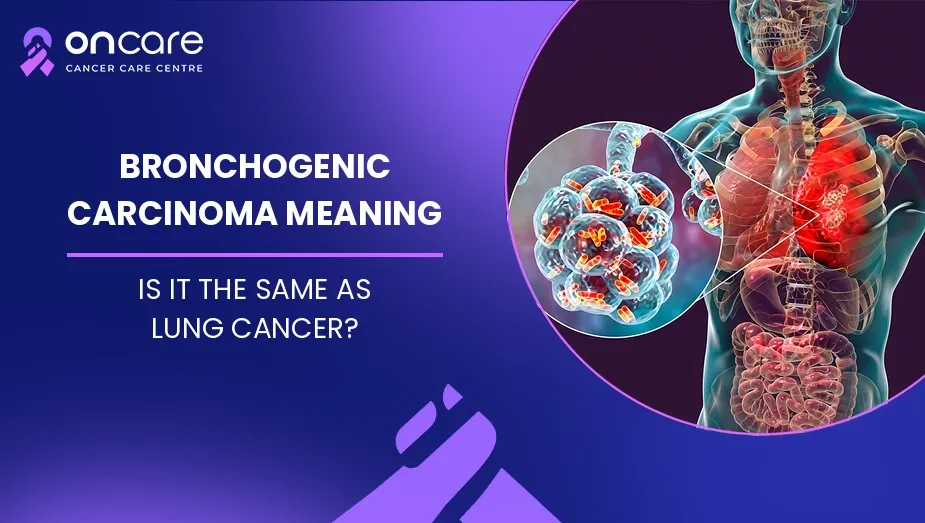
The medical term bronchogenic carcinoma refers to cancer arising from the cells that line the air passages of the lungs. It is possible that you have come across this term in a CT scan, in a biopsy report, or in your doctor’s notes, prompting you to inquire whether it is synonymous with lung cancer.
In most clinical situations, the term bronchogenic carcinoma pertains to cancers originating from the bronchus or lungs. There are different types of cancers like non-small cell lung cancer (NSCLC) and small cell lung cancer (SCLC). However, the actual diagnosis will depend upon the type of cancer cells observed in the pathology test.
Knowing these terms helps patients understand their report for specific tests that the doctors advise. In this blog, we will look at the term bronchogenic carcinoma, its classification and treatments available.
What Is Bronchogenic Carcinoma?
Bronchogenic carcinoma refers to a type of cancer that originates from cells known as the epithelial cells that are found in the bronchi or lungs. These cells are responsible for forming a protective cover in the respiratory tract.
Abnormal changes in some cells cause them to multiply uncontrollably. Eventually, these cells develop into a tumour, which may infiltrate nearby parts of the lungs and possibly other distant parts of the body.
It has been traditionally used to refer to cancers arising from the bronchial tree, although it is used commonly to refer to lung carcinoma as a whole.
Key difference: Carcinoma that originates from the bronchus is not the same as metastatic carcinoma from other parts of the body, such as breast cancer. Breast cancer metastatic to the lungs is metastatic breast cancer, not primary bronchogenic carcinoma.
Is Bronchogenic Carcinoma the Same as Lung Cancer?
Yes. In most cases, bronchogenic carcinoma means lung cancer. These two terminologies are frequently applied when referring to a malignancy that arises from the lungs. In some circumstances, terminology may vary.
Lung cancer: A generic term that refers to cancers which originate in the lungs themselves.
Bronchogenic carcinoma: A generic term used previously to describe carcinomas that develop from bronchial tissue or lung epithelium.
Primary lung cancer: Cancer that is not metastatic to the lungs from somewhere else but develops in the lungs.
Mostly, doctors will depend on the results of the biopsy in order to ascertain the exact type of the cancer. This means that reading the phrase "bronchogenic carcinoma" in a medical report will not give you enough data about your condition.
What Are the Main Types of Bronchogenic Carcinoma?
The bronchogenic carcinoma is classified into two main types depending on the appearance of the tumor cells as well as their behavior.
1. Non-Small Cell Lung Cancer (NSCLC)
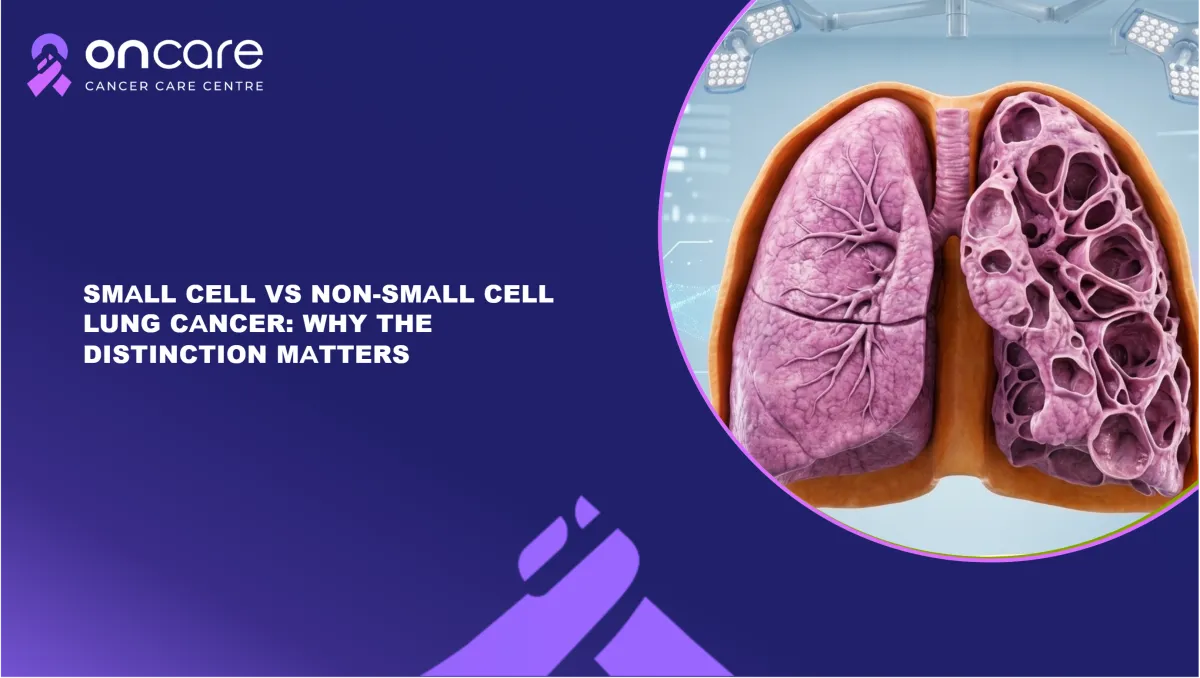
Non-small cell lung cancer represents about 80 to 85% of lung cancer patients. Its growth and spread are different from those of small cell lung cancer. Its main types include:
Adenocarcinoma: Originates in the glands that produce mucus and affects the outer edges of the lungs. It is the most common type of lung cancer and can also be found in people who have never smoked.
Squamous Cell Carcinoma: Originates in the cells covering the air passages and is closely associated with smoking.
Large Cell Carcinoma: This is a rare type of cancer that lacks the distinguishing microscopic characteristics of adenocarcinoma and squamous cell carcinoma.
Determining the exact type of lung cancer aids in determining its characteristics and treatment approach.
2. Small Cell Lung Cancer (SCLC)
Small cell lung cancer is not a common type of lung cancer, but it is more dangerous than other forms of lung cancer because the cancer cells grow and divide quickly. This cancer has been highly associated with cigarette smoking. It is treated using chemotherapy, radiation therapy, immunotherapy, or any other suitable combination.
Unlike NSCLC, surgery is an option only for a few patients with very early, limited disease. SCLC makes up about 10–15% of lung cancers.
Where Does Bronchogenic Carcinoma Develop in the Lungs?
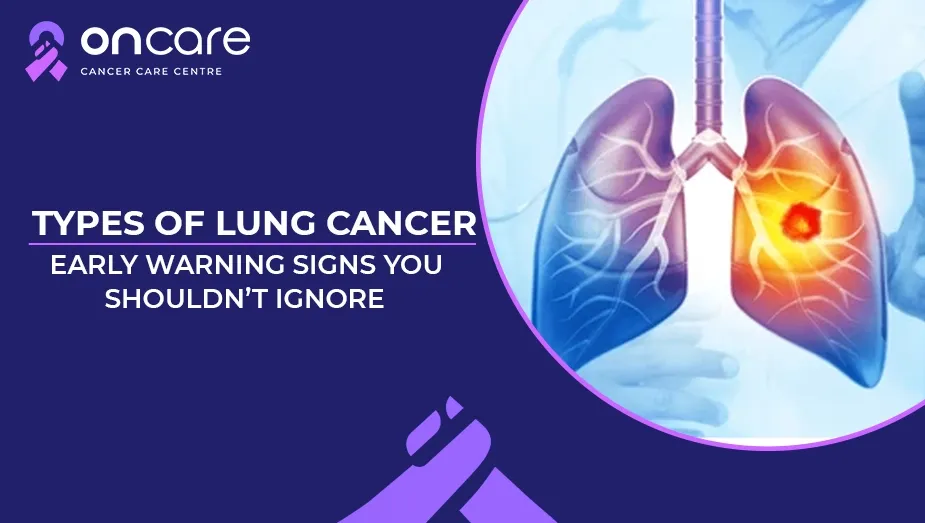
The site of the tumor may affect the signs that a patient exhibits as well as the means of diagnosing the disease. Depending on its site of origin, bronchogenic carcinoma can be classified into the following types:
Central lung tumours: This type of tumor grows near the major bronchi in the chest cavity. It can result in the blockage of the air passage resulting in coughing, wheezing, respiratory infection, and even hemoptysis.
Peripheral lung tumors: These tumors form in the peripheral parts of the lungs, away from the larger airways. Tumors that are small in size in these regions may not show any symptoms at all initially.
Location also decides how the biopsy is done: central tumours are usually sampled with bronchoscopy, and peripheral tumours with a CT-guided needle biopsy.
What Are the Symptoms of Bronchogenic Carcinoma?
The symptoms vary according to the size of the tumor, its location, and its effects on any neighboring structures. However, some individuals may not show any signs in the early stages of the disease. Common symptoms of lung cancer include:
Persistent cough: Coughing for several weeks or worsening gradually.
Blood in cough: Presence of blood streaks in the sputum or coughing out of blood.
Pain in chest: Pain may worsen with deep breathing, coughing, and even laughing.
Breathlessness: Difficulty in breathing while performing normal activities and even at rest.
Recurrent chest infections: Such as pneumonia or bronchitis, which keep recurring due to obstruction of the airways by a tumor.
Hoarseness: An abnormality of voice due to irritation of the nerves responsible for controlling the voice box.
Unexpected weight loss: Weight loss without any alterations to diet and exercise regime.
Constant fatigue: Being exhausted for no reason.
Symptoms of advanced disease: In case the cancer spreads outside the lungs, there could be other issues as well. Some of these issues are continuous pain in bones, headaches, seizures, swelling in the face or neck area, and neurological effects. It all depends on which organ is affected.
Having the above signs does not necessarily mean that one has cancer since there are several other illnesses such as respiratory illnesses that also have the same symptoms.
What Causes Bronchogenic Carcinoma?
Bronchogenic carcinoma results from alterations in the DNA of the lungs, which lead to an interference in the normal processes of development and repair within the lung cells. These include:
Smoking: The use of cigarettes and bidis is an important risk factor for the development of bronchogenic carcinoma. Cigarette smoke consists of various toxic substances that may cause DNA damage to lung cells.
Second-hand smoke: Constant exposure to tobacco smoke coming from other cigarettes can raise the chances of getting lung cancer.
Radon exposure: This radioactive gas occurs naturally and can be trapped in buildings where it causes damage to the lungs on inhalation.
Occupational hazards: Prolonged exposure to asbestos, silica, arsenic, and some industrial substances may pose a threat.
Air pollution: There is a connection between exposure to pollutants and a high likelihood of developing lung cancer.
Domestic Smoke Exposure: Frequent exposure to smoke emanating from the fuel used for cooking, including wood, coal, and cow-dung logs (used in the traditional chulhas), can raise the chances of contracting lung cancer, especially when cooking is done in enclosed kitchen spaces.
Family history: Lung cancer in a relative can contribute to the risk of lung cancer.
It should be noted that it is not obligatory for an individual to smoke to develop bronchogenic carcinoma. A person may be diagnosed with bronchogenic carcinoma without smoking.
Does a Lung Mass on a CT Scan Mean Bronchogenic Carcinoma?
No. Not all lung masses found during a CT scan signify bronchogenic carcinoma. A lung mass refers to any unusual tissue growth that exceeds 3 cm in diameter. Any lesser tissue growth is considered pulmonary nodules. These can either be cancerous or non-cancerous. Some of the possible causes include:
- Lung cancer.
- Changes or lesions due to infections.
- Benign growths of the lungs.
- Tuberculosis or some fungal infections.
- Metastatic cancer.
The radiologist will use phrases such as suspicious mass, possible bronchogenic carcinoma, or findings that point to malignancy, if the findings give reason to doubt.
This means there is a need for further examination since these terms do not denote a diagnosis. A biopsy can help the doctor understand what kind of abnormality it is.
Can Bronchogenic Carcinoma Be Mistaken for TB?
Yes. Bronchogenic carcinoma is confused with TB in some patients in India as they both present similar symptoms, including chronic coughing, chest pain, loss of appetite, weight loss, and hemoptysis. Their radiographic signs can also look alike in some instances.
In case the symptoms do not get better despite proper TB medication, or if there is no positive reaction in the TB tests, the doctor may suggest more tests to be done. These tests may involve a CT scan of the lungs, and at times, a biopsy is done to see if there are any cancerous cells. Early and proper diagnosis is essential since the treatment of tuberculosis and bronchogenic carcinoma is quite distinct.
How Is Bronchogenic Carcinoma Diagnosed?
The doctors use techniques such as imaging, testing of the tissue, and others in order to diagnose the condition and determine its stage. The tests for lung cancer involved in the diagnostic process include:
1. Chest X-ray: This is an initial test that reveals any abnormal shadows, mass, or anything else in the lungs.
2. CT Scan: An extensive chest CT scan will enable the medical professionals to understand the size of the tumour, its location and relation to adjacent structures.
3. PET-CT Scan: This study allows detecting metabolic activity and cancer metastasis. However, inflammation and infection can also cause abnormalities.
4. Bronchoscopy: In this technique, a thin, flexible tube is inserted into the air passages to examine the suspicious area. Physicians can take tissue samples while conducting the examination.
5. Biopsy: A small piece of the tissue is collected for microscopic examination for cancer cells.
6. Genetic Testing: In cases of NSCLC, there are biomarker tests which aim to find certain genetic mutations or protein markers that could potentially guide in the management of the condition. Such biomarkers include those found through the testing for EGFR, ALK, and ROS1 genetic mutations as well as the PD-L1 protein marker test.
A biopsy is usually necessary for making a diagnosis; however, the technique will vary depending on the tumor location and the patient’s health conditions.
What Are the Stages of Bronchogenic Carcinoma?
Staging involves determining the size of the tumor, if there are cancer cells in the lymph nodes near the tumor site, and if there is distant metastasis. In non-small cell lung cancer, the TNM staging system is commonly used, which depends on three factors:
- T (Tumor): Tumor size and relation to surrounding structures
- N (Node): Involvement of regional lymph nodes by cancer
- M (Metastasis): Spread of cancer to distant sites in the body
The entire stage can be classified into four broad categories:
Stage | What it means |
|---|---|
Stage 1 | Cancer is limited to the lung and has not reached nearby lymph nodes. |
Stage 2 | The tumour may be larger or involve nearby lymph nodes within the lung or surrounding region. |
Stage 3 | Cancer has affected more extensive nearby structures or lymph nodes in the chest. |
Stage 4 | Cancer has spread to distant organs or other locations beyond the original tumour region. |
Small cell lung cancer is further characterized in two classes; namely, limited-stage disease and extensive-stage disease.
The staging of lung cancer assists in determining the course of therapy, but ultimately the treatment regimen is influenced by the cancer type, molecular diagnosis, and overall condition of the patient.
What Are the Treatment Options for Bronchogenic Carcinoma?
The choice of treatment depends on the type of cancer, stage of cancer, molecular profile, and tolerability of treatment by the individual. However, one or more treatments can be recommended by doctors.
1. Surgery
It is possible to use surgery for the removal of cancerous growths that are localized and can be successfully excised. This would depend on where the tumor is located and how large it is.
2. Chemotherapy
Chemotherapy makes use of medications to kill cancerous cells or impede their division. It is usually used before surgery, post-surgery, or in the treatment of cancer that has already advanced.
3. Radiotherapy
The therapy is administered using high energy radiations aimed at killing cancer cells. Radiotherapy can be used when cancer is localized or if surgery is not an option.
4. Targeted Therapy
Targeted therapies work on certain molecular alterations which allow the cancerous cells to grow. Such treatments are recommended where certain biomarkers have been recognized in the tumors.
5. Immunotherapy
Immunotherapy is a treatment that enables the immune system to identify and fight cancer cells. The appropriateness of immunotherapy depends on the type of cancer, its stage, and other factors.
Small cell lung cancer is treated using chemotherapy and radiation, sometimes in combination with immunotherapy. Surgery is reserved for specific cases. Treatment decisions should always be made by an oncology team taking into account the whole diagnosis process.
When Should You Consult a Doctor?
Do not ignore respiratory symptoms that persist, become worse, or arise without a clear reason. These may include:
- Cough that has been lasting for more than three weeks.
- Blood streaks in the phlegm, no matter how minute
- Recurrent chest infections or respiratory issues without explanation.
- Chronic chest pain or a change in your voice.
- Unexplained loss of appetite with resultant weight loss.
Coughing up blood, breathing problems or chest pain need urgent medical care. This will help in establishing the root cause and avoid any delay in the diagnosis process.
Consult Today
There are various issues surrounding bronchogenic carcinoma that may arise after the diagnosis or even suspicion of the disease. Seeking a second medical opinion will enable patients to comprehend their test results better and take the necessary measures.
The patients can consult the cancer specialists at Oncare Cancer Hospital regarding diagnosis and treatment of cancer and even after their treatment. Consulting the oncologists will give you a better idea regarding which course of action should be taken according to the type of cancer.
Disclaimer
This blog has been written to serve as a general guide and cannot be considered as a substitute for professional medical care, diagnosis, or treatment. A mass found in the lungs or even suspicious imaging results do not always indicate cancer. Please contact your physician for proper medical report analysis and treatment advice.
Frequently Asked Questions
What is meant by the term bronchogenic carcinoma?
The term bronchogenic carcinoma means cancer arising from cells that belong to the respiratory system. This term is often used to describe lung cancer.
Is bronchogenic carcinoma necessarily a form of cancer?
Yes, because the word “carcinoma” denotes malignant growth. However, in case a diagnostic report suggests suspected bronchogenic carcinoma, more tests would be required to confirm the diagnosis.
How does bronchogenic carcinoma differ from lung cancer?
Lung cancer is the general name given to malignant tumors that arise from the lungs. “Bronchogenic carcinoma” is one of the common medical terms for lung carcinoma.
Is bronchogenic carcinoma curable?
Bronchogenic carcinoma can be cured in some patients, especially if it is discovered in its early stages and can be totally managed. Treatment may involve surgery, chemotherapy, radiation therapy, targeted therapy, and immunotherapy, among other treatment regimens, depending on the cancer’s type and stage. In advanced cases, the disease might not be curable, but it may be manageable with appropriate treatment.
Can a non-smoker get bronchogenic carcinoma?
Yes, non-smokers can also get bronchogenic carcinoma. Some risk factors might include secondhand smoke exposure, radon, air pollution, kitchen smoke exposure, workplace substances, and genetic mutations in the lungs. Smoking is one of the biggest risk factors, but it is not the sole cause.
Is bronchogenic carcinoma the same as a bronchial carcinoid?
No. Bronchogenic carcinoma and bronchial carcinoid are not the same types of lung cancer. The bronchogenic carcinoma is usually a term used for lung carcinoma, whereas the bronchial carcinoid is a type of neuroendocrine tumour and usually has a slow-growing nature.