Table of Contents
Bladder Cancer Surgery Cost in India 2026: Types and Cost Breakdown

By Dr. Gajendra Kumar Himanshu


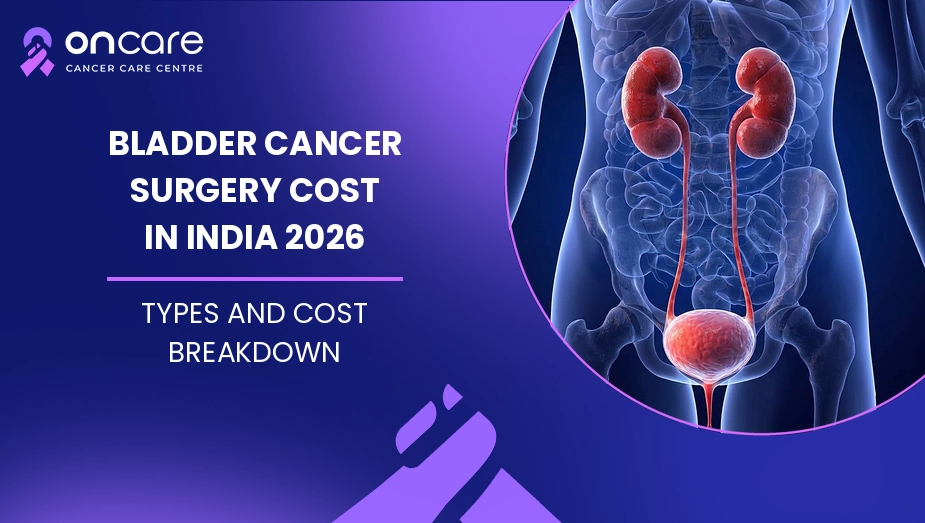
The cost of bladder cancer surgery in India in 2026 generally ranges from ₹1.8 lakh to ₹8 lakh, depending on the type of operation, hospital, expertise of the surgeon, city, and whether robotic technology is used. Transurethral procedures cost the least, while robotic radical cystectomy with urinary reconstruction is the most expensive option. Early diagnosis usually means less extensive and less expensive treatment.
In this blog, we discuss the cost of bladder cancer surgery in India, the various surgical procedures available, what influences the final hospital bill, and how patients can plan financially for treatment in 2026. You will also learn which procedure suits different stages of bladder cancer.
Why It Is Important to Know the Cost of Bladder Cancer Surgery
A diagnosis of bladder cancer brings emotional and financial questions at the same time. The right operation is chosen based on the stage and location of the cancer, but the cost of treatment varies greatly between hospitals and cities in India.
Knowing the likely price range helps patients compare treatment options, discuss insurance coverage, and avoid unexpected costs. More importantly, choosing surgery on the basis of medical need rather than price alone may lead to better long-term outcomes.
How Much Does Bladder Cancer Surgery Cost in India in 2026?
The overall cost depends on whether the cancer is superficial or muscle-invasive. In general, the less invasive the treatment, the shorter the hospital stay. Major surgery may require reconstruction of the urinary system and a longer recovery period.
Type of Surgery | Estimated Cost (2026) |
|---|---|
TURBT (Transurethral Resection) | ₹1.8 - 3 lakh |
Partial Cystectomy | ₹2.5 - 4.5 lakh |
Radical Cystectomy (Open) | ₹4 - 6 lakh |
Robotic Radical Cystectomy | ₹5.5 - 8 lakh |
These estimates usually cover the surgery, anaesthesia, hospital stay, and routine care during admission. Costs can rise if ICU care, advanced imaging, or further treatments are needed.
Types of Bladder Cancer Surgery and How Much They Cost
The surgical option chosen depends on how far the cancer has progressed and whether it has reached the muscle wall of the bladder.
TURBT: Primary Surgery for Early Bladder Cancer
Transurethral Resection of Bladder Tumour (TURBT) is a common treatment for non-muscle-invasive bladder cancer. The surgeon uses a special instrument passed through the urethra to remove the tumour, so there is no external incision.
Patients normally stay in hospital for one or two days and recovery is relatively quick. The average cost ranges between ₹1.8 lakh and ₹3 lakh, making it the most affordable surgical option for eligible patients.
Partial Cystectomy for Selected Patients
A partial cystectomy removes the cancerous area of the bladder while preserving the rest of it. This technique is suitable only for carefully selected cases in which the tumour is localised.
It is likely to cost between ₹2.5 lakh and ₹4.5 lakh in India. Bladder preservation is possible for some patients, but not for everyone.
Radical Cystectomy for Advanced Bladder Cancer
If the cancer has grown into the muscle wall of the bladder, radical cystectomy is usually the recommended treatment. The entire bladder is removed and a new channel for urine is constructed using tissue from the intestine.
Open radical cystectomy usually costs between ₹4 lakh and ₹6 lakh, while robotic-assisted surgery costs between ₹5.5 lakh and ₹8 lakh due to the advanced surgical technology and equipment involved.
What Influences the Cost of Bladder Cancer Surgery?
The surgery itself is not the only factor in the final hospital bill. Several medical and practical factors add to the total.
Hospital and City
Infrastructure and the availability of specialists can make treatment more expensive at tertiary cancer centres in metro cities such as Delhi, Mumbai, Bengaluru, or Hyderabad, compared with hospitals in smaller towns.
Surgical Approach
Robotic surgery usually costs more upfront than traditional open surgery. However, it may offer advantages for selected patients, such as smaller incisions, less blood loss, and a possibly faster recovery.
Cancer Stage
Early-stage bladder cancer often requires less extensive surgery. Advanced cancers may require lymph node removal, urinary diversion, and a longer hospital stay, leading to higher overall costs.
Length of Hospital Stay
Most minimally invasive treatments need a shorter admission, while radical cystectomy can require 7 to 10 days in hospital, depending on recovery.
What Is Normally Included in a Surgery Package?
Most comprehensive hospital packages include:
- Surgeon and anaesthetist fees
- Operation theatre charges
- Standard hospital room and nursing care
- Routine blood tests and basic investigations
- Medicines during admission
- Follow-up consultation after discharge
Patients should ask whether pathology testing, ICU charges, blood transfusions, or robotic equipment fees are included, as these may be billed separately.
Is Robotic Bladder Cancer Surgery Worth the Extra Cost?
Robotic radical cystectomy is increasingly available in India. It is more expensive, and the decision to use it should be a clinical one rather than a technological preference.
Many patients may benefit from better surgical precision, smaller incisions, reduced post-operative pain, and a quicker recovery. However, long-term cancer control depends mainly on appropriate patient selection and an experienced surgical team, not solely on the surgical platform.
Is Bladder Cancer Surgery Covered by Health Insurance?
Yes. Bladder cancer surgery is covered under most comprehensive health insurance policies in India as long as it is medically necessary. The policy will normally cover hospitalisation and operation costs, subject to its terms and waiting periods.
Patients should check:
- Availability of cashless hospitals
- Coverage of robotic procedures
- Room rent limits
- Pre-authorisation criteria
- Coverage for surgical complications
It is a good idea to review these details with your insurer and the hospital insurance desk before admission, so that there are no unexpected out-of-pocket expenses.
Recovery and Other Costs to Consider
Surgery is only one phase of bladder cancer treatment. Some patients may also need chemotherapy, immunotherapy, or regular cystoscopy during follow-up.
Additional costs may include nutritional support, stoma care supplies, urinary diversion supplies, travel, and loss of income during recovery. Planning for these expenses is as important as budgeting for the surgery itself.
For more information regarding bladder cancer, visit the National Cancer Institute.
Consult Today
If you or a loved one has been diagnosed with bladder cancer, talking to an expert uro-oncology team can help you understand the most appropriate surgical option and what it is likely to cost. Specialists at Oncare Cancer Hospital prepare a personalised treatment plan, discuss the cost of therapy in advance, and provide full support before and after surgery.
Disclaimer
This text is solely for educational purposes and is not a substitute for professional medical advice, diagnosis, or treatment. Surgical recommendations and treatment costs depend on the individual's medical condition, hospital policies, and clinical evaluation. If you have concerns about your own condition, always seek advice from a qualified oncologist or uro-oncology specialist.





Frequently Asked Questions
The cost normally ranges from ₹1.8 lakh to ₹8 lakh, depending on the type of operation, hospital, city, and whether robotic technology is used.
The least expensive option is TURBT (Transurethral Resection of Bladder Tumour), which costs around ₹1.8 to 3 lakh for eligible early-stage patients.
Robotic surgery has advantages such as smaller incisions and a speedier recovery, but the best approach depends on the stage of cancer, the patient's overall health, and the surgeon's recommendation.
In many cases, yes. Most health insurance plans cover medically necessary radical cystectomy, though coverage varies by policy, room category, and hospital network.
Written and Verified by:
Dr. Gajendra Kumar Himanshu Exp: 10 Yr
Medical Officer
Book an Appointment
Related Blogs
Internal Radiation Therapy: Benefits of Brachytherapy Explained
Learn brachytherapy benefits, internal radiation therapy, procedure, recovery & cancer treatment at Oncare Cancer Hospital with expert radiation specialists.
GIST (Gastrointestinal Stromal Tumour): Symptoms and Treatment
Learn about GIST (Gastrointestinal Stromal Tumor), its symptoms, causes, diagnosis, surgery, and long-term follow-up with expert care at Oncare Cancer Hospital.

Cancer and the Gut Microbiome: What Current Research Shows
Discover how the gut microbiome may influence cancer, immunity, and treatment response. Learn the latest research with expert guidance from Oncare Cancer Hospital.