Table of Contents
Cancer and the Gut Microbiome: What Current Research Shows

By Dr. Gajendra Kumar Himanshu


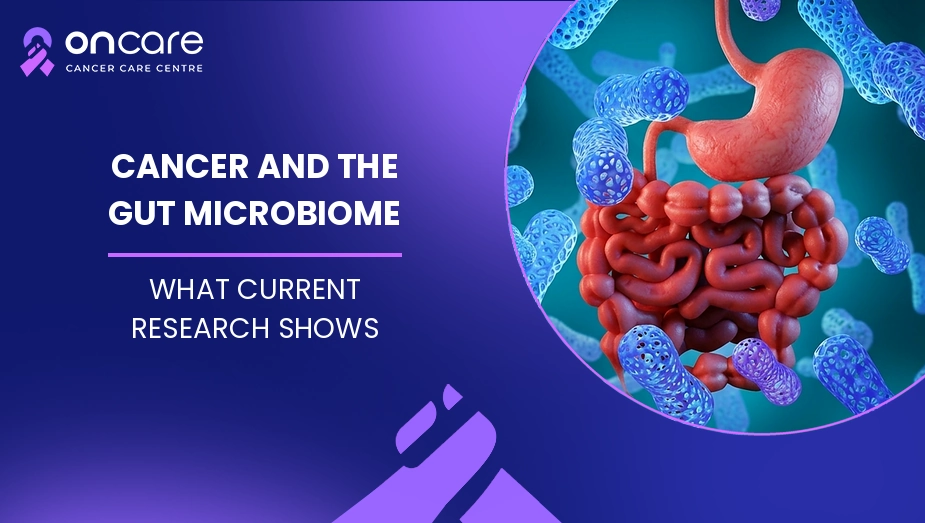
Cancer and the gut microbiome are closely connected through the body's immune system, inflammation, and digestion. Current research suggests that the balance of helpful and harmful gut bacteria could affect cancer risk, treatment response, and recovery. The microbiome is not a cancer cure, but it is emerging as a significant field of research in personalised cancer care.
In this blog, we discuss cancer and the gut microbiome, how gut bacteria affect general health, what scientists have discovered about their role in cancer, how treatments can affect the microbiome, and practical ways to support gut health during cancer care.
Why the Gut Microbiota Matters in Cancer
The gut microbiome is the collection of trillions of microorganisms living in the human gut, including bacteria, fungi, and viruses. These microorganisms help break down food, generate vital nutrients, and support the immune system. A healthy microbiome matters for overall health, and when that balance is disrupted it can raise inflammation and weaken the body's response to disease.
Over the past decade, researchers have found that the gut microbiota may influence not only digestive health but also the development and treatment of various cancers. The field is still young, but the findings are encouraging enough to open a new path towards individualised cancer treatment.
What Is the Role of the Gut Microbiota in Cancer?
The gut microbiota itself does not directly cause or prevent cancer. Instead, it influences several biological processes that could either increase or lower cancer risk.
Supporting the Immune System
Around 70 percent of the body's immune cells are located in the digestive tract. Helpful gut bacteria train the immune system to identify dangerous cells while keeping the inflammatory response in check. This connection may affect the body's ability to fight cancer cells.
Controlling Inflammation
Long-term inflammation is linked to several diseases, including colorectal cancer. Some helpful bacteria produce short-chain fatty acids that keep the lining of the intestine healthy and reduce inflammatory activity, promoting a healthier gut environment.
Influencing Metabolism
Gut microorganisms also help break down dietary fibre, vitamins, and plant compounds. The substances they create can affect hormone regulation, cell growth, and the body's natural repair systems, all of which are currently under investigation in cancer research.
What Current Research Indicates
Scientists have found meaningful connections between the microbiome and several elements of cancer care. While research is ongoing, the strongest evidence relates to the areas outlined below.
Research Field | Current Knowledge |
|---|---|
Cancer risk | Gut imbalance may be linked to persistent inflammation in some cancers |
Immunotherapy | Certain gut bacteria may enhance treatment response |
Chemotherapy | The diversity of gut microorganisms changes during treatment |
Recovery | A healthy microbiome may help support digestion and immune health |
These findings do not suggest that cancer can be treated by altering gut microbes alone. Instead, they point to the microbiota as one factor that may affect treatment results alongside proven medical therapies.
Can the Microbiota Influence Cancer Therapy?
Yes, especially immunotherapy. Several clinical studies have shown that patients with greater microbial diversity in the gut may respond better to certain immune checkpoint medicines. Scientists think helpful microorganisms may help activate immune cells that attack cancer more effectively.
Chemotherapy and radiation therapy can also alter the gut microbiota. Some people experience diarrhoea, constipation, or stomach upset because treatment affects both helpful and harmful bacteria. This is one of the reasons supportive nutrition has become an important part of comprehensive cancer care.
What Can Patients Do for a Healthy Gut Microbiome?
There is no specific "microbiome cancer diet", but everyday eating habits can help keep the gut healthy during treatment. Any change to nutrition should always be reviewed with the oncology team, especially during chemotherapy.
Eat Meals High in Fibre
Fibre that feeds helpful gut bacteria is found in whole grains, fruits, vegetables, legumes, and oats. Fibre also helps maintain healthy digestion when it is well tolerated.
Add Naturally Fermented Foods
Some people find that yoghurt with live cultures, kefir, and other fermented foods provide useful microorganisms. However, those with weakened immune systems should check with a doctor before eating unpasteurised products.
Avoid Unnecessary Antibiotics
Antibiotics are sometimes essential, but inappropriate use can reduce the diversity of beneficial bacteria. Take them only as directed by your healthcare provider.
Drink Enough Fluids
Drinking enough fluids supports digestion and may ease some treatment-related digestive discomfort.
What Researchers Will Examine Next
The future of microbiome research lies in individualised healthcare. Researchers are studying stool microbiome profiling, tailored probiotics, microbiome-based therapeutics, and faecal microbiota transplantation in carefully selected clinical situations. These techniques are still under study and are not yet standard treatment for most cancers.
As evidence accumulates, the gut microbiota may help clinicians predict treatment response more accurately and design more personalised strategies for cancer care.
If you want to read more about the gut microbiome, then you can visit the official website of the National Cancer Institute.
Consult Today
If you or your loved one is undergoing cancer treatment and experiencing persistent digestive problems, please contact the oncology team at Oncare Cancer Hospital. Personalised nutritional advice and supportive care for gut health can complement evidence-based cancer treatment.
Disclaimer
This information is for educational purposes only and does not constitute medical advice, diagnosis, or treatment. Always discuss decisions about food, probiotics, or microbiome-related treatments with a qualified cancer specialist.





Frequently Asked Questions
The gut microbiota alone does not cause cancer. However, an imbalance in gut flora may contribute to chronic inflammation and other metabolic changes associated with higher cancer risk.
Current research suggests that greater gut microbial diversity might improve responses to certain types of immunotherapy, but this is still an area of active study.
Probiotics are not suitable for every cancer patient. People with weakened immune systems in particular should check with their oncologist before taking probiotic supplements.
A well-rounded diet high in fibre, fruits, vegetables, and whole grains may be good for your gut. Nutrition plans should be individualised based on the patient's treatment and medical condition.
Written and Verified by:
Dr. Gajendra Kumar Himanshu Exp: 10 Yr
Medical Officer
Book an Appointment
Related Blogs
Ovarian Cancer Surgery Cost in India 2026: A Complete Price Guide
Know the ovarian cancer surgery cost in India 2026, surgery types, factors affecting pricing, insurance coverage, and treatment planning at Oncare Cancer Hospital.
Managing Malignant Pleural Effusion in Lung Cancer Patients
Learn about malignant pleural effusion in lung cancer, including symptoms, diagnosis, drainage, and treatment options. Expert care at Oncare Cancer Hospital.

HIPEC Surgery Cost in India 2026: Heated Chemotherapy Price Guide
Know the 2026 HIPEC surgery cost in India, factors affecting pricing, insurance coverage, and consult expert surgical oncologists at Oncare Cancer Hospital.