Table of Contents
GIST (Gastrointestinal Stromal Tumour): Symptoms and Treatment

By Dr. Gajendra Kumar Himanshu


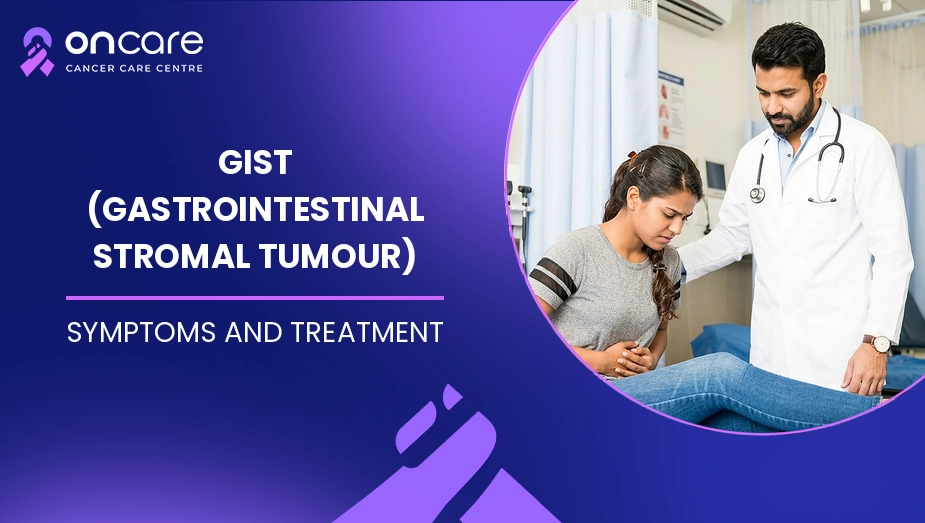
GIST (gastrointestinal stromal tumour) is an uncommon type of tumour that occurs in the digestive tract, most often in the stomach or the small intestine. Early signs can include abdominal pain, bloating, tiredness, or blood in the stool; however, many GISTs cause no symptoms at first. Treatment usually involves surgery, targeted therapy, or both, depending on the size and stage of the tumour.
In this blog, we discuss GIST (Gastrointestinal Stromal Tumour), its symptoms, causes, diagnosis, treatment options, recovery, and what patients need to know about long-term follow-up and personalised cancer care.
Why Is It Vital to Understand GIST?
Gastrointestinal Stromal Tumour, commonly known as GIST, is not the same as the more common cancers of the stomach or intestine. It starts in specialised cells in the digestive tract called interstitial cells of Cajal, which help control the movement of food through the digestive system.
GIST is a rare tumour, but early diagnosis is vital, as many patients respond well to modern treatment. There have been considerable advances in surgery and targeted therapy, especially when the tumour is found before it has spread.
What Is a Gastrointestinal Stromal Tumour?
A GIST is a soft tissue tumour that grows in the wall of the digestive tract. The stomach is involved in about 60% of cases, with the small intestine being the second most common site. Occasionally, GIST can occur in the oesophagus, colon, rectum, or other parts of the gastrointestinal tract.
Unlike other cancers of the digestive system, GIST is often driven by mutations in genes such as KIT or PDGFRA. These genetic changes allow doctors to choose targeted treatments designed specifically for the biology of the tumour.
Common Symptoms of GIST
Small GISTs often cause no symptoms and are found when tests are done for other reasons. As the tumour grows, symptoms become more noticeable.
Symptom | What It May Feel Like |
|---|---|
Abdominal pain | Persistent pain or cramps |
Gas and bloating | Feeling full after eating small amounts |
Blood in the stool | Black or bloody stool |
Tiredness | Weakness from slow internal bleeding |
Nausea or vomiting | Especially if the tumour is blocking the gut |
Any ongoing digestive problems should be checked by a healthcare professional, especially if they last for several weeks.
What Causes a GIST?
The exact cause of GIST is not known. In most cases, it results from a spontaneous genetic mutation rather than an inherited condition. These mutations lead to uncontrolled growth of tumour cells.
Most patients have no family history of the disease, although in a small number of patients, inherited syndromes can increase the risk of developing GIST. Age is another factor: GIST is more commonly diagnosed in people over the age of 50.
How Is GIST Diagnosed?
GIST diagnosis is based on a combination of imaging and tissue testing. The first step is to review the symptoms and carry out a physical examination before any specialised tests are recommended.
CT and MRI Scans
These imaging tests help establish the size and location of the tumour and whether it has spread to nearby organs or more distant parts of the body.
Endoscopy and Biopsy
If the tumour is in the stomach or upper part of the digestive tract, an endoscope allows doctors to see it directly. A biopsy provides tissue that confirms the diagnosis under the microscope.
Genetic Testing
Testing for KIT and PDGFRA mutations is an important part of modern GIST care, since it helps identify which targeted therapies are most likely to be effective.
GIST Treatment Options
Treatment varies according to the size, location, and genetic profile of the tumour, and whether it has spread.
Surgery
Surgery is the mainstay of treatment for localised GIST. The aim is to remove the tumour completely while preserving as much normal digestive tissue as possible. Only a few patients require removal of substantial parts of the stomach or intestine.
Targeted Therapy
Drugs such as tyrosine kinase inhibitors block the abnormal proteins produced by KIT or PDGFRA mutations. These medicines can be given before surgery to shrink large tumours, or after surgery to lower the risk of recurrence.
Treatment of Advanced GIST
When GIST has spread to other organs, the main treatment is usually targeted therapy. Depending on their response to treatment and general health, some patients may also be candidates for further surgery.
Follow-Up and Recovery
Recovery after surgery depends on the size and location of the tumour. With the support of their surgical team, most patients can return to a normal diet and activity over the following weeks.
Long-term follow-up is important, as GIST can recur even after successful treatment. Regular CT scans, physical examinations, and ongoing monitoring help catch any recurrence early so that treatment can begin promptly if needed.
Can GIST Be Treated?
Surgical removal is an effective treatment for many localised GISTs, especially when detected early. The chance of the tumour coming back depends on factors such as its size, location, and how quickly its cells are dividing. For patients with higher-risk tumours, targeted therapy after surgery may help improve long-term outcomes.
If you want to read more about the treatment of gastrointestinal stromal tumours, then you can visit the official website of the National Cancer Institute.
Consult Today
If you or a loved one has been diagnosed with GIST (Gastrointestinal Stromal Tumour) or is experiencing ongoing digestive symptoms, the surgical and medical oncology team at Oncare Cancer Hospital can provide a complete assessment, molecular testing, personalised treatment planning, and long-term follow-up tailored to your condition.
Disclaimer
This content is for educational purposes only and is not a substitute for professional medical advice, diagnosis, or treatment. If you are experiencing recurrent digestive problems or are concerned about GIST, consult a qualified oncology specialist for a proper evaluation and a tailored treatment plan.





Frequently Asked Questions
No. GIST is a distinct type of tumour that starts in the specialised cells of the digestive tract wall rather than the lining of the stomach, so its treatment is also different.
Many patients present with symptoms such as abdominal pain, bloating, tiredness, or blood in the stool. Small GISTs may cause no symptoms at all.
Surgery is usually the main treatment for localised GIST. However, targeted therapy can be given before surgery, after surgery, or as the primary treatment for advanced or metastatic disease.
Not necessarily. Many patients remain disease-free after successful surgery, but ongoing follow-up is crucial because the risk of recurrence depends on the size, location, and biological behaviour of the tumour.
Written and Verified by:
Dr. Gajendra Kumar Himanshu Exp: 10 Yr
Medical Officer
Book an Appointment
Related Blogs
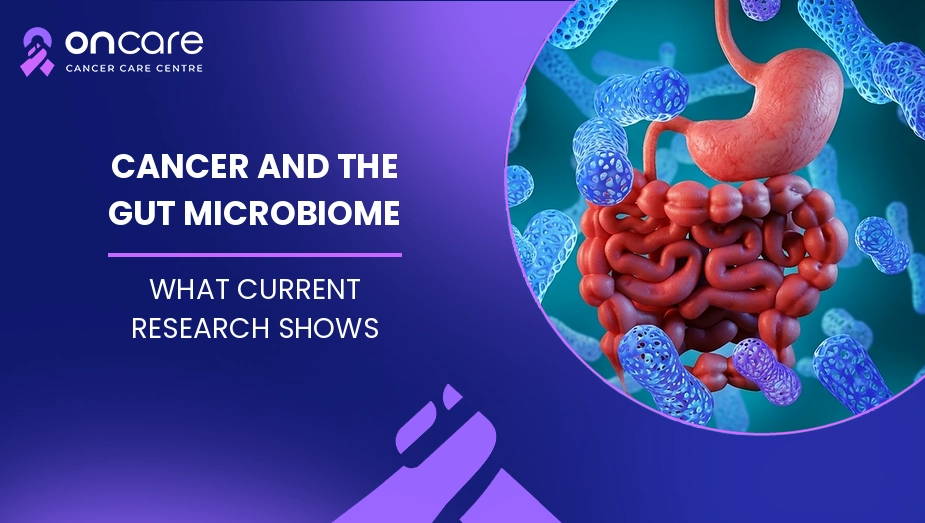
Cancer and the Gut Microbiome: What Current Research Shows
Discover how the gut microbiome may influence cancer, immunity, and treatment response. Learn the latest research with expert guidance from Oncare Cancer Hospital.
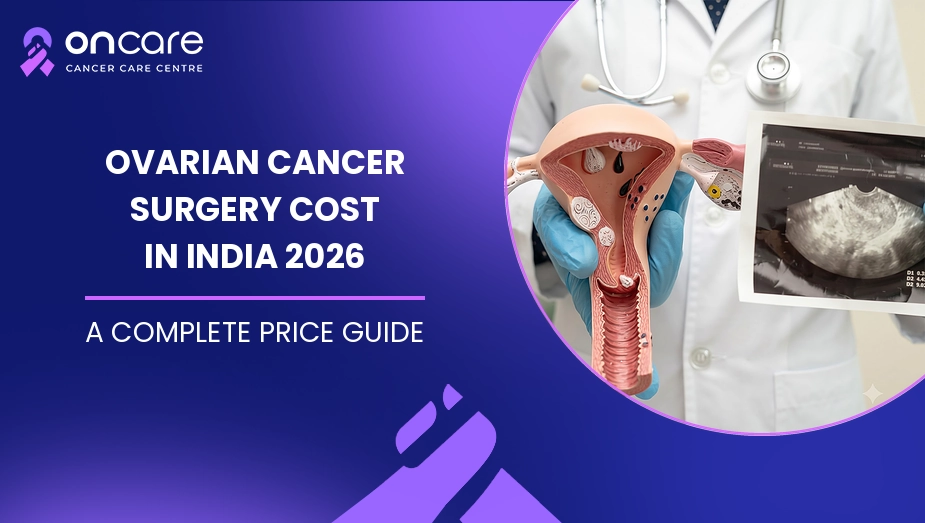
Ovarian Cancer Surgery Cost in India 2026: A Complete Price Guide
Know the ovarian cancer surgery cost in India 2026, surgery types, factors affecting pricing, insurance coverage, and treatment planning at Oncare Cancer Hospital.
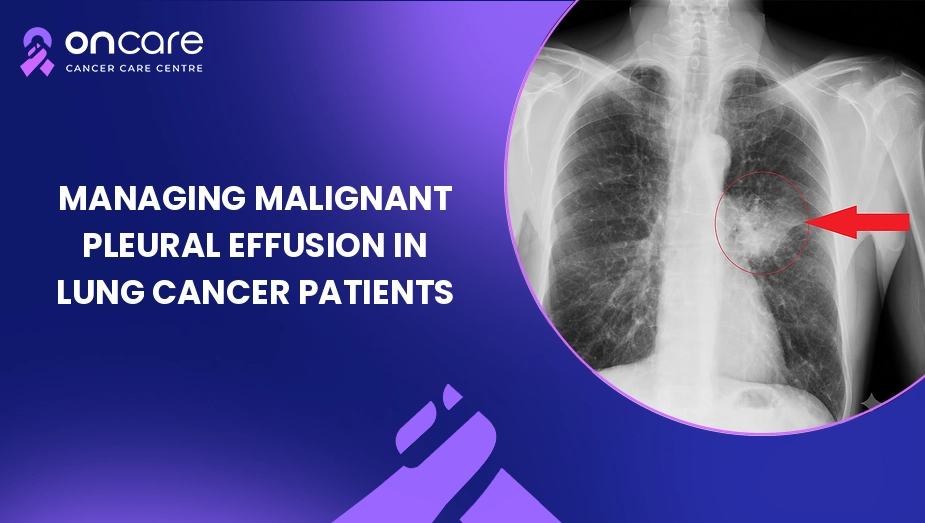
Managing Malignant Pleural Effusion in Lung Cancer Patients
Learn about malignant pleural effusion in lung cancer, including symptoms, diagnosis, drainage, and treatment options. Expert care at Oncare Cancer Hospital.