Table of Contents
Wigs, Scarves and Head Coverings After Chemo Hair Loss: A Practical Guide

By Dr. Gajendra Kumar Himanshu


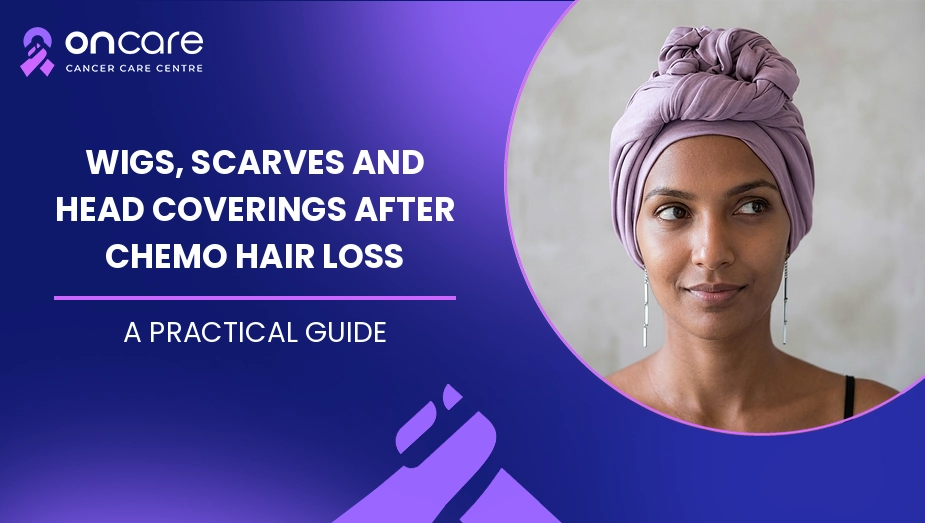
Hair loss is a common side effect of some chemotherapy treatments, and many people use wigs, scarves, hats or other head coverings to feel comfortable and protect the scalp. There is no single right choice. The best option is the one that feels comfortable, stays in place and suits your daily routine. Hair often grows back after chemotherapy, although the timing and new hair texture can be different for each person.
In this blog, we are talking about how to choose wigs, scarves and other head coverings after chemo hair loss. We will explain what to look for in a wig, which scarf fabrics may feel better, how to protect a sensitive scalp and simple ways to make head coverings more comfortable in daily life.
Why does chemotherapy cause hair loss?
Chemotherapy medicines work against fast-growing cancer cells, but they can also affect some healthy cells that grow quickly. Hair follicles are one of these areas, so some chemotherapy medicines can cause hair thinning or complete hair loss. The amount of hair loss depends on the medicines and dose used.
Hair loss can be emotionally difficult because it changes the way a person looks and can make cancer treatment feel more visible. Our blog on Hair Loss from Chemotherapy explains what patients can expect during hair regrowth.
When should you choose a wig or head covering?
You don’t have to wait for your hair to fully fall out. Some patients choose to pick out a wig before treatment begins so they can find a style that looks familiar. Some wait until there is no hair before they choose what seems appropriate.
Some people may choose to wear nothing on their heads, while others may choose to wear a wig for work or social gatherings and a soft scarf or hat at home. The decision is a personal one, and there is no right or wrong approach to dealing with hair loss.
How to choose the right wig?
Treatment can be a difficult time for many people, and some find a wig helpful as it covers the whole head and makes the person feel more like themselves. Wigs can be found in human hair and synthetic hair options, with varied styles, sizes and pricing.
Comfort is very important when choosing a wig. Once you experience hair loss, your scalp may be sensitive, so look for a soft inner lining and a size that is not too tight. After losing hair, your head size could alter a little, and an adjustable wig can be a good choice.
You may also want to have a trusted family member or friend go shopping with you. Trying out several styles might help you discover what looks and feels comfortable.
Are scarves and turbans good options?
Yes. Scarves, turbans and bandanas are light, simple and easily changeable. They can be really beneficial, especially if you want something comfortable for around the house or in warm weather.
Fabrics that are soft, such as cotton or some bamboo or silk fabrics, might feel gentle against a sensitive scalp. A scarf that is excessively slippery may slip around, and one that is very tight may be uncomfortable.
A pre-tied scarf can be handy if you don’t want to spend time learning different methods to wrap a scarf. A soft headband or undercap can also assist in keeping a scarf in place.
For more information about chemotherapy-related hair changes, you can also read our blog on Chemotherapy Side Effects.
Wigs vs scarves vs hats
Each type of head covering has its own benefits. The right choice depends on comfort, weather, activity and personal preference.
Head covering | Main benefit | Things to consider |
|---|---|---|
Wig | Gives the appearance of hair and full coverage | Can feel warm or tight if the fit is not right |
Scarf | Soft, light and easy to change | May need to be tied securely |
Turban | Comfortable and ready to wear | Choose a soft fabric and good fit |
Hat | Simple and useful outdoors | A very loose hat may move around |
Soft sleep cap | Helps keep the scalp covered at night | Choose a breathable fabric |
There is no need to use only one option. Many people keep different head coverings for different situations.
How to protect your scalp after hair loss?
When hair is gone or very thin, the scalp can become more sensitive to sunlight, cold weather and rubbing. A soft hat, scarf or wig can provide extra comfort and coverage. When the scalp is exposed to the sun, a broad-spectrum sunscreen with SPF 30 or higher can also help protect the skin.
Keep these simple points in mind:
- Choose soft, breathable materials.
- Avoid head coverings that feel too tight.
- Keep wigs and scarves clean according to their care instructions.
- Give your scalp a break from tight coverings when possible.
If your scalp becomes very sore, develops a rash or has another unusual change, tell your cancer care team.
How can you make a wig more comfortable?
A wig should sit securely without putting too much pressure on your scalp. A soft wig liner or cushioned wig grip can improve comfort and help stop the wig from moving.
During hot weather, a lighter wig or a hat with a soft lining may feel better. At home, you may prefer a scarf or no head covering at all. Listen to your body and choose what feels comfortable rather than trying to follow a particular style.
Wigs also need gentle care. Use products made for wigs, avoid unnecessary heat and store the wig properly when you are not wearing it.
What about hair growth after chemotherapy?
For many people, hair starts growing again after chemotherapy ends. However, hair may initially look or feel different. It can be thinner, curlier, straighter or a different colour before gradually changing over time.
Choosing what feels right for you
Hair loss can be a very personal experience. Some people want a wig that looks similar to their usual hairstyle. Others enjoy colourful scarves, hats or turbans. Some prefer to show their bald head without covering it.
The most important thing is comfort and confidence. You can change your choice from day to day depending on how you feel, the weather or where you are going.
Family and friends can also help by treating hair loss as one part of the treatment journey rather than focusing only on appearance. Simple emotional support can make this period easier.
If you want to learn more about chemotherapy, you can visit the official website of the National Cancer Institute.
Consult Today
If chemotherapy has caused hair loss and you are unsure about scalp care or choosing a comfortable head covering, speak with your cancer care team. At Oncare Cancer Hospital, patients can discuss chemotherapy side effects, hair loss, scalp care and recovery with the specialist team according to their treatment and individual needs.
Disclaimer
This information is for educational purposes only and does not constitute medical advice, diagnosis, or treatment. Always discuss decisions about hair loss, scalp care or any chemotherapy side effect with a certified cancer healthcare provider.





Frequently Asked Questions
Yes, a wig can be worn during chemotherapy if it feels comfortable. Choose a soft, properly fitted wig, especially when the scalp is sensitive.
Yes, soft scarves can provide comfortable head coverage and can be easier to wear than a wig, especially at home or in warm weather.
Soft, breathable fabrics such as cotton, bamboo or silk can be gentle on the scalp. Avoid materials that feel rough, itchy or too hot.
For many people, hair grows back after chemotherapy. The speed, thickness, colour and texture of new hair can vary from person to person.
Written and Verified by:
Dr. Gajendra Kumar Himanshu Exp: 10 Yr
Medical Officer
Book an Appointment
Related Blogs
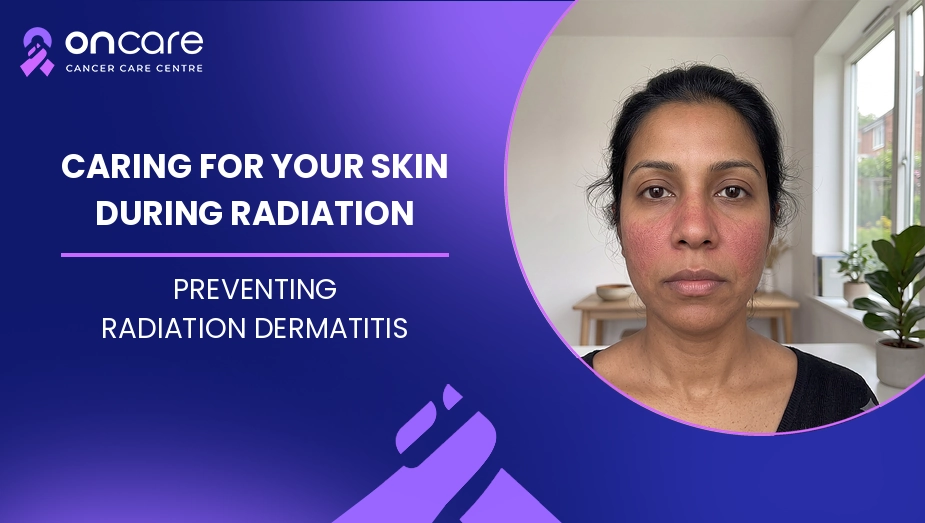
Caring for Your Skin During Radiation: Preventing Radiation Dermatitis
Caring for your skin during radiation is a vital element of cancer treatment since radiation can harm healthy skin cells as well as cancer cells, causing radiation dermatitis. Skin care during treatment may assist to decrease discomfort and help your skin heal by not irritating the treated area, using moisturisers advised by your doctor, and reporting skin changes early.
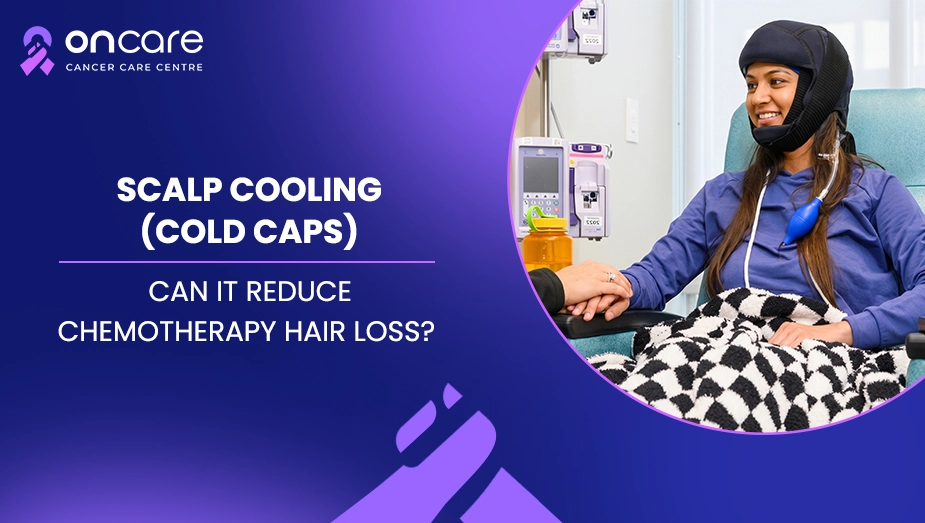
Scalp Cooling (Cold Caps): Can It Reduce Chemotherapy Hair Loss?
Learn how scalp cooling may help reduce chemotherapy-related hair loss, what to expect, benefits, limitations, and support at Oncare Cancer Hospital.
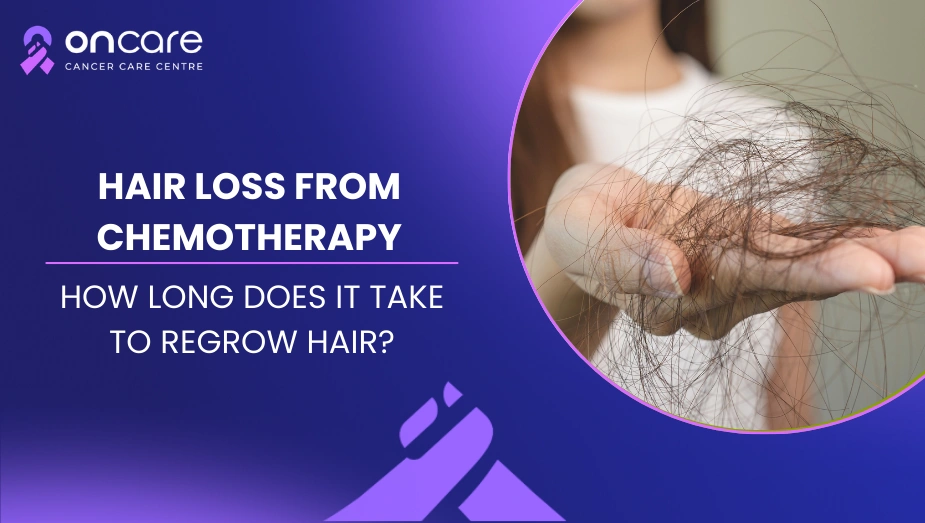
Hair Loss from Chemotherapy: How Long Does It Take to Regrow Hair?
Hair loss from chemotherapy—Is it permanent? Learn causes, recovery timeline, regrowth chances, and ways to manage it. Get expert support at Oncare today.