Table of Contents
Triple Negative Breast Cancer: Why It Behaves Differently and Modern Treatment Options

By Dr. Gajendra Kumar Himanshu


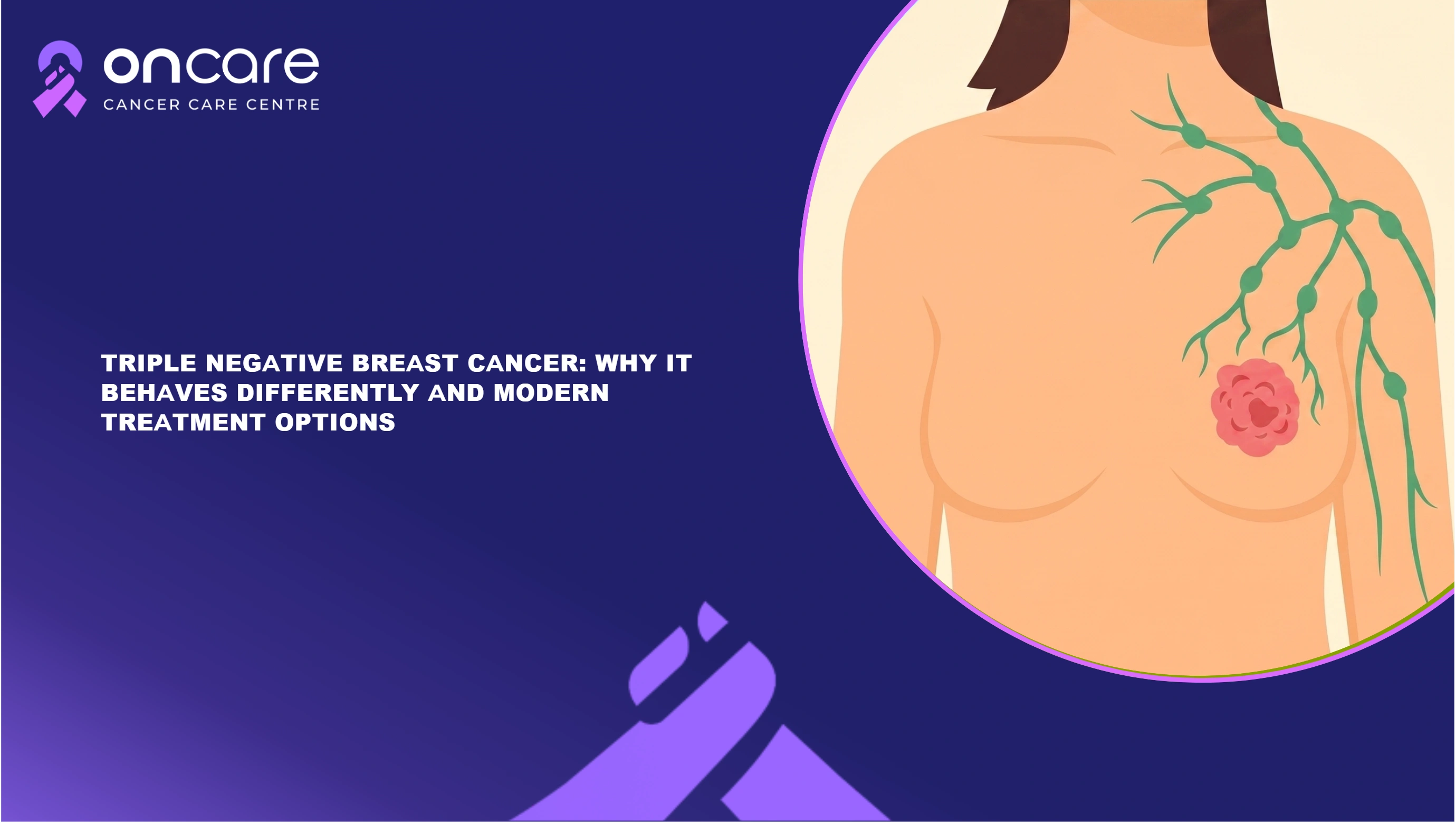
Triple Negative Breast Cancer (TNBC) is a type of breast cancer that does not have estrogen receptors, progesterone receptors or excessive HER2 protein. Since these receptors are absent, TNBC cannot be treated using hormone therapy or HER2-targeted medicines that are commonly used for other breast cancers. This type of breast cancer is often considered more aggressive and may grow or spread faster in some patients.
Although Triple Negative Breast Cancer can be challenging to treat, recent advances in cancer care have improved outcomes for many patients. Chemotherapy, immunotherapy, targeted therapy and personalized treatment planning are helping doctors manage the disease more effectively. Early diagnosis, timely treatment and regular follow-up care remain important for better recovery and survival outcomes.
In this blog, we will discuss why Triple Negative Breast Cancer behaves differently, its symptoms and risk factors, modern treatment options and supportive care during therapy.
Why Triple Negative Breast Cancer Is Different From Other Breast Cancers
Triple Negative Breast Cancer is called “triple negative” because cancer cells do not contain estrogen receptors, progesterone receptors or HER2 receptors. Many breast cancer medicines work by targeting these receptors, but TNBC does not respond to those therapies, making treatment planning different and sometimes more complex.
Doctors and cancer specialists also emphasize the importance of awareness, regular screening and early medical attention for breast cancer symptoms. Patients can also learn more about cancer awareness and healthcare information through the National Cancer Institute.
Common Symptoms And Risk Factors Of Triple Negative Breast Cancer
- A lump or swelling in the breast
- Changes in breast shape or size
- Redness or dimpling of the skin
- Nipple discharge or inversion
- Family history of breast cancer
- Younger age at diagnosis in some cases
- BRCA gene mutations in certain patients
How Triple Negative Breast Cancer Is Diagnosed
Doctors use several tests to diagnose TNBC and determine how far the cancer has progressed. Accurate diagnosis is important because treatment decisions depend on the cancer stage and tumour characteristics.
Common Diagnostic Tests
- Clinical breast examination
- Mammography and ultrasound
- Breast biopsy
- MRI scans in selected cases
- Hormone receptor and HER2 testing
- BRCA genetic mutation testing
Modern Treatment Options For Triple Negative Breast Cancer
Treatment for TNBC often includes a combination of therapies depending on the cancer stage, overall health and treatment goals. Modern advances in oncology have improved treatment possibilities for many patients.
Common Treatment Approaches For TNBC
Type of Treatment | Purpose | Potential Benefits |
|---|---|---|
Chemotherapy | Kills cancer cells | Main treatment option in many cases |
Surgery | Removes tumour tissue | Helps control disease |
Radiotherapy | Targets remaining cancer cells | Reduces recurrence risk |
Immunotherapy | Supports immune response | Helpful in selected patients |
Targeted therapy | Acts on specific cancer pathways | Supports personalized treatment |
Personalized Treatment Planning In TNBC
Every patient with Triple Negative Breast Cancer may respond differently to treatment. Personalized treatment planning helps doctors choose therapies based on the patient’s cancer stage, overall health and genetic profile.
Supportive Care During Breast Cancer Treatment
- Nutritional counselling
- Emotional and mental health support
- Pain management
- Physiotherapy and rehabilitation
- Management of fatigue and symptoms
- Regular follow-up monitoring
Emotional Wellbeing And Lifestyle Support During Recovery
A diagnosis of TNBC can create emotional stress and anxiety for both patients and families. Counsellors, support groups, caregivers and healthcare professionals may help patients cope better during treatment and recovery.
Healthy lifestyle habits such as balanced nutrition, physical activity and regular medical follow-up may also support overall wellbeing during cancer care.
Consult Today
Triple Negative Breast Cancer behaves differently because it lacks the receptors commonly targeted in many breast cancer treatments. Although it may be more aggressive in some situations, modern advances in chemotherapy, immunotherapy, targeted therapy and personalized cancer care have improved treatment outcomes for many patients.
Early diagnosis, expert medical guidance and supportive care remain essential for better recovery and long-term management. Oncare Cancer Hospital is known for advanced breast cancer treatment, compassionate patient care and modern oncology support services.





Frequently Asked Questions
TNBC may grow and spread faster in some cases because it does not respond to hormone-based therapies or HER2-targeted treatment.
Yes, many patients respond well to modern treatments, especially when diagnosed and treated early.
Yes, chemotherapy is often an important treatment option because TNBC does not respond to hormone therapy.
Yes, TNBC is sometimes diagnosed more commonly in younger women compared to certain other breast cancer types.
Written and Verified by:
Dr. Gajendra Kumar Himanshu Exp: 10 Yr
Medical Officer
Book an Appointment
Related Blogs

HER2-Positive Breast Cancer: How Targeted Drugs Have Changed Outcomes
Learn about HER2-positive breast cancer, targeted therapy treatments, symptoms, recovery care, advanced medical support, and care at Oncare Cancer Hospital.
Triple Test in Breast Cancer: Combining Exams, Imaging, and Biopsy
Discover more about the triple test in breast cancer, types of breast biopsies, the power of combining all these three tests, and what to expect during these treatments!
Triple Negative Breast Cancer: Key Facts on Causes and Treatment
Learn about triple negative breast cancer (TNBC), its symptoms, causes, and treatment options. Get expert care and support at Oncare Cancer Hospital.