Table of Contents
Triple Negative Breast Cancer: Key Facts on Causes and Treatment

By Dr. Gajendra Kumar Himanshu


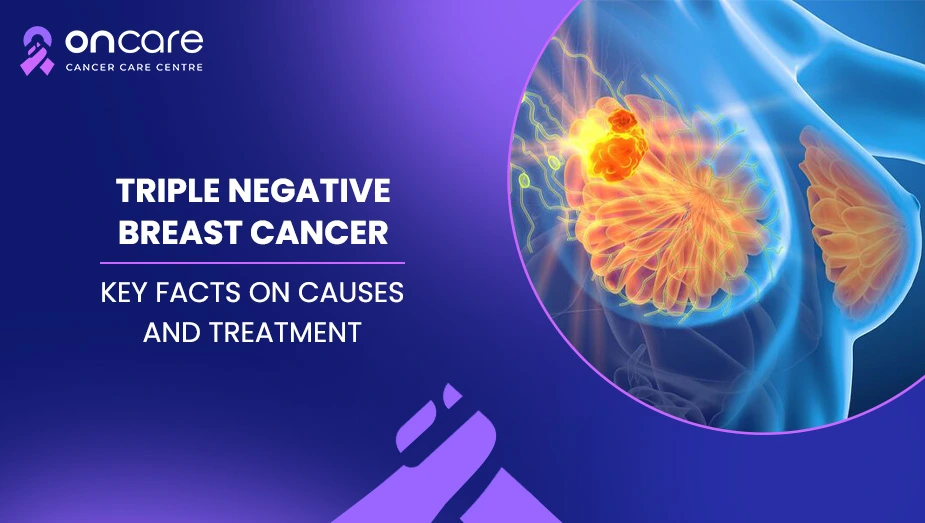
It might be alarming and bewildering to hear the words "triple negative breast cancer." It sounds hard, and a lot of people don't know what makes it distinct from other kinds of breast cancer. But the more you know about it, the more sure you may be that you can handle it.
This blog will discuss what triple negative breast cancer is, what causes it, what its symptoms are, what treatment choices are available, and how patients may take care of themselves with the correct support and care.
What Is Breast Cancer That Is Triple Negative?
Triple negative breast cancer (TNBC) is a kind of breast cancer that doesn't have three of the most frequent receptors identified in other types of breast cancer. Because these receptors are missing, standard hormone treatments don't work for TNBC. This makes it distinctive and often harder to cure, but there are still effective ways to treat it. The three missing receptors are:
- Receptors for estrogen
- Receptors for progesterone
- HER2 protein
What Does "Triple Negative" Mean?
What the Term Means
The term "triple negative" stems from the fact that three important receptors are missing. Most medicines for breast cancer work on these receptors; TNBC does not respond to those treatments.
What It Means for People
- Hormone therapy is only used a little bit.
- Need for further therapies, including chemotherapy
- More emphasis on individualized care
Causes and Risks
There is no one reason why someone gets triple negative breast cancer, but some things can make it more likely.
Common Risk Factors
- Age (more common in women under 30)
- A history of breast cancer in the family
- Genetic changes such as BRCA1
- Obesity and things that affect your lifestyle
Note of Importance
Having these risk factors doesn't guarantee you'll definitely get cancer, but knowing about them can help you find it early.
Signs to Look Out For
TNBC symptoms are like those of other kinds of breast cancer.
Common Signs
- A lump in the breast
- Change in the size or shape of the breasts
- Changes in the skin or redness
- Discharge from the nipple
- Breast pain
If you see any of these indicators, see a doctor as soon as you can.
Finding Out If You Have TNBC
To find out if someone has triple negative breast cancer, doctors do a number of tests. These tests help doctors figure out what stage the disease is in and how to treat it.
Common Ways to Diagnose
- Mammogram, ultrasound, and biopsy (to make sure it's cancer)
- MRI (sometimes)
Choices for Treatment
There are successful treatments for TNBC, even though hormone therapy doesn't work. Doctors choose the treatment based on how far along the cancer is and how healthy the patient is overall. You may find reliable and in-depth medical information on the breast cancer section of the National Cancer Institute.
Most Common Ways to Treat
- Chemotherapy
- Surgery, such as a lumpectomy or mastectomy
- Radiation treatment
- Immunotherapy (in some circumstances)
TNBC vs Other Types of Breast Cancer
The table below highlights how triple negative breast cancer differs from other types of breast cancer.
TNBC vs Other Breast Cancer Types
Feature | Triple Negative Breast Cancer | Other Types of Breast Cancer |
|---|---|---|
Receptors for hormones | Not present | Present |
HER2 protein | Not present | Could be present |
Hormone treatment | Not useful | Works most of the time |
Rate of growth | In some circumstances, faster | Most of the time, slower |
Choices for treatment | Chemo, surgery, and immunotherapy | Wider options available |
Living with TNBC
A cancer diagnosis can affect mental health. Patients may feel anxious, stressed, or scared.
How to Handle
- Talk to people you know and care about
- Join groups for support
- Do yoga or meditation.
- Get professional help
Advice for a Healthy Lifestyle
These practices help you get better and feel better overall:
- Eat a healthy diet
- Keep moving around
- Get enough rest
- Don't drink or smoke.
How Important It Is to Find Out Early
Finding the problem early is a key part of successful treatment. Having regular checkups and doing self-exams can help discover cancer early.
What You Can Do
- Do regular breast self-exams
- Get regular checkups
- Know about changes in your body
Consult Today
It can sound bad, but knowing triple negative breast cancer is the first step to dealing with it well. Many individuals successfully go through treatment and recovery with the right medical care, an early diagnosis, and a strong support system.
Oncare Cancer Hospital is known for delivering comprehensive, patient-centered cancer care for people seeking expert care and advanced treatment options.





Frequently Asked Questions
Hormone therapy doesn't function because it doesn't have estrogen, progesterone, or HER2 receptors.
Yes, especially if found early and treated well.
Younger women and those with genetic abnormalities, such as BRCA1, may be at greater risk.
Chemotherapy is the most prevalent treatment; surgery and sometimes immunotherapy are also used.
Written and Verified by:
Dr. Gajendra Kumar Himanshu Exp: 10 Yr
Medical Officer
Book an Appointment
Related Blogs
Can Homeopathy Cure Breast Cancer? Hope vs Reality in Treatment
Can homeopathy cure breast cancer? Learn the facts, risks, and safe treatment options. Expert guidance from Oncare Cancer Hospital for better decisions.

Drugs Used in Breast Cancer: Hormone Therapy, Chemo and Targeted Medicines
How hormone therapy, chemotherapy and targeted therapy work in breast cancer treatment, when each may be prescribed, possible side effects, and how doctors decide which approach is right for a patient.

Lymphedema and Arm Care After Breast Cancer Surgery: A Recovery Guide
Learn how to manage lymphedema after breast cancer surgery with arm care tips, symptom awareness, recovery guidance, and support from Oncare Cancer Hospital.
HER2-Positive Breast Cancer: How Targeted Drugs Have Changed Outcomes
Learn about HER2-positive breast cancer, targeted therapy treatments, symptoms, recovery care, advanced medical support, and care at Oncare Cancer Hospital.