Table of Contents
Stage 3 Stomach Cancer Survival Rate: Latest Statistics

By Prashant Baghel


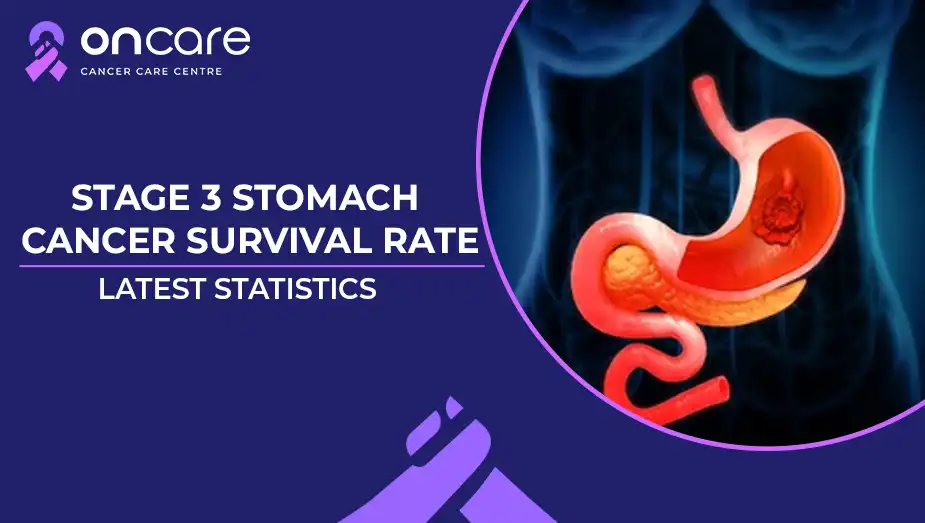
When you hear "stage 3 stomach cancer," it can feel like everything is heavy at once. The first thing that usually comes to mind is, "What are my chances?" How bad is it? What's next? Clear information is very important at times like this. To know the stage 3 stomach cancer survival rate, you need to do more than just look at numbers. It means knowing what changes those numbers, how treatment helps, and why there is still hope.
This article explains stage 3 stomach cancer, survival rates, treatment options, and things you can do to improve your chances of survival. You can use it to figure out what's next for you or someone you care about.
What Is Stage 3 Stomach Cancer
Stage 3 stomach cancer means that the cancer has spread to nearby lymph nodes and grown deeper into the stomach's layers. However, it has not yet spread to distant organs like the liver or lungs. It is advanced, but not the last stage.
The disease is serious now, but it can still be treated. A lot of people get good care and live for a long time. The most important thing to remember is that stage 3 is not the end. Some patients do much better than they thought they would if they take care of themselves.
What you need to know about the Stage 3 stomach cancer survival rate
People often talk about the stage 3 stomach cancer survival rate in terms of "5-year survival." This is the percentage of people who are still alive five years after they were diagnosed. Studies often show that the 5-year survival rate for stage 3 stomach cancer is lower than for stage 1 or 2, but it is still important. With modern treatment, a lot of patients live longer than five years.
It is very important to keep in mind that these numbers are just averages based on a lot of patients. There are no rules that everyone has to follow. According to the numbers, some people live a lot longer than that. The outcome can change based on the person's age, health, quality of treatment, and how early the cancer is treated.
Things That Affect the Survival Rate
Not everyone has the same chance of surviving stage 3 stomach cancer. It is affected by several things:
- Your age and health in general
- The size of the tumour
- How many lymph nodes are involved
- If surgery can completely remove the tumour
How well your body reacts to chemotherapy or targeted therapy
Someone who is young and healthy and starts treatment early usually has a better chance of getting better than someone who is very weak or has other serious illnesses. That's why doctors always look at the whole picture and not just the stage when discussing the stage 3 stomach cancer survival rate.
Stage 3 is bad, but it can still be treated.
Stage 3 may sound scary, but it's still a stage where active treatment can help a lot. A lot of the time, patients get surgery, chemotherapy, and sometimes targeted therapy all at once. The goal of these treatments is to shrink the tumour, get rid of it if possible, and kill cancer cells in the lymph nodes.
Some people do very well and live for a long time. Some people may not respond as strongly, but they will still get more time and a better quality of life from treatment.
How Treatment Helps People Live Longer
Better ways to treat stage 3 stomach cancer have led to a higher stage 3 stomach cancer survival rate over the years. A lot of the time, doctors use a combination approach called "multimodal therapy."
For a lot of patients, treatment includes:
- Surgery to take out some or all of the stomach and lymph nodes that are affected
- Chemotherapy before surgery to make the tumour smaller
- Chemotherapy after surgery to get rid of any cancer cells that are still there
- Drugs that work on tumours with specific markers
This method of doing things step by step gives the body a better chance to fight the cancer. In general, the better the long-term outcome is, the more completely the tumour is removed and controlled.
Surgery's Role in Stage 3 Stomach Cancer
Surgery is a big part of helping people live longer. The best chance for long-term control is if the tumour can be completely removed. During the surgery, the doctors take out the part of the stomach that is sick and the lymph nodes that are close by. This lowers the chance that the cancer will come back in the same spot.
It may take some time to get used to new eating habits after surgery, but most people slowly get back to their normal daily routine.
Chemotherapy and Targeted Therapy
Chemotherapy uses strong drugs to kill cancer cells that grow quickly. Before and after surgery, it is often used in stage 3. This makes surgery more likely to work and less likely to spread.
Some patients may also get targeted therapy, which only works on certain changes in cancer cells. For instance, HER2-positive tumours may respond well to certain targeted drugs. This type of personalised treatment can help some patients with stage 3 stomach cancer live longer and can support the stage 3 stomach cancer survival rate.
How Taking Action Early Changes the Result
Two people with the same stage can have very different results based on when they start treatment. The sooner stage 3 is found and treated, the better the chances of success.
Regular checkups, paying attention to symptoms like long-term stomach pain, weight loss, or trouble eating, and getting tests like endoscopy or scans on time can help find the disease before it gets worse.
Living While Getting Treatment
Stage 3 stomach cancer treatment can be tiring, but with some changes, many people can keep living their lives. During chemotherapy, you might feel weak, lose your appetite, or feel sick. Doctors can help with these side effects by giving you drugs and a diet plan.
Eating small meals often, drinking enough fluids, and getting enough sleep all help you get better. Patients also stay strong during treatment with the help of family, friends, and support groups.
After Treatment Life
Life slowly returns to normal after the main treatment is over. At first, you might have follow-up visits every few months. These tests, which may include blood tests, physical exams, and sometimes scans, look for any signs that the cancer has come back.
A lot of people can go back to work, spend time with their families, and live full, active lives. You might need to change your diet or way of life, but you can definitely live after stage 3 stomach cancer.
Consult Today
It may sound scary to hear "stage 3," but that doesn't mean there is no hope. Many things affect the stage 3 stomach cancer survival rate, and modern treatment has helped many people live longer, healthier lives. Patients can really and truly fight this disease with surgery, chemotherapy, targeted therapy, follow-up care, and strong emotional support.
Oncare Cancer Hospital has advanced treatments, experienced doctors, and caring staff for people with stage 3 stomach cancer or their loved ones. The right team, the right treatment, and the right time can make a big difference. You are not the only one on this journey.
Why Oncare: Listen to Our Patients
Frequently Asked Questions
Yes. A lot of patients do well with both surgery and chemotherapy and live for a long time.
Most of the time, doctors suggest surgery along with other treatments, but the final plan depends on the tumour and the patient's health.
No. The chance of survival depends on age, health, the size of the tumour, whether or not lymph nodes are involved, and how well the treatment works.
Yes. Eating well, staying active, not smoking or drinking too much alcohol, and going to regular checkups all help your long-term health.
Book an Appointment
Related Blogs
Stage 3 Stomach Cancer Survival Rate: Latest Statistics
Learn the stage 3 stomach cancer survival rate, factors that affect outcomes, treatment options, and ways to improve long-term recovery with timely care.
Stage 2 Stomach Cancer Explained: Prognosis & Management
Learn about stage 2 stomach cancer, its symptoms, diagnosis, treatment options, and recovery. Understand how early care improves outcomes and supports long-term health.
Stomach Cancer Treatment Cost in India: Affordable Options
Discover the stomach cancer treatment cost in India, factors affecting pricing, treatment options, and why India offers high-quality yet affordable cancer care.
Stomach Cancer First Stage Symptoms: Key Early Indicators
Learn about stomach cancer first stage symptoms, including indigestion, bloating, appetite changes, and tiredness. Early detection improves treatment success.