Table of Contents
How Skin Cancer Staging Influences Treatment Decisions

By Dr. Gajendra Kumar Himanshu


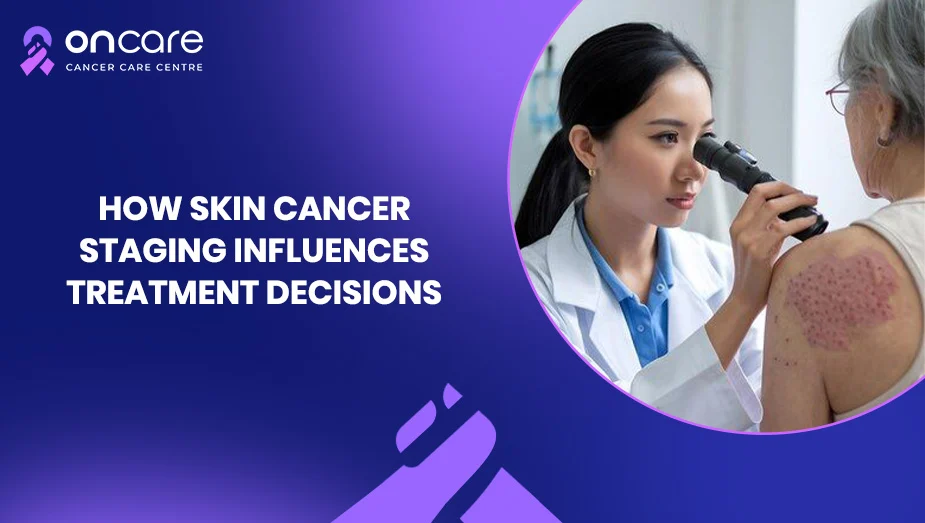
What if two people have the same type of skin cancer but get vastly different kinds of care? In most cases, the fundamental reason is staging.
By staging the cancer, doctors can figure out how terrible it is and how far it has spread. This information is very helpful in coming up with the best treatment approach. If the staging isn't done appropriately, the treatment may not work as well.
We'll discuss skin cancer staging in a way that is easy to understand and explain how it influences treatment choices in this blog.
What does it mean to stage skin cancer?
Staging is the process of figuring out how big the tumor is and whether or not the cancer has spread to other parts of the body or nearby tissues. It helps doctors divide cancer into stages, commonly from Stage 0 to Stage 4.
- Stage 0: The cancer is only on the skin's top layer.
- Stage 1: A little tumor that is only on the skin
- Stage 2: The tumor is growing, but it is still in one spot.
- Stage 3: The malignancy has moved to nearby lymph nodes.
- Stage 4: Cancer has spread to organs that are far removed from the cancer.
Doctors utilize staging to find out how advanced the cancer is and how hard it should be to treat.
Why is staging important for making treatment plans
Staging isn't just a word. It has a direct impact on how doctors treat patients.
- It helps you choose the best way to treat yourself.
- It stops you from getting treatments that you don't need.
- It makes it more probable that you will heal.
- It helps you figure out what will happen.
For example, a simple surgery might be all that is needed for early-stage skin cancer, but later stages might need more than one treatment, like radiation or immunotherapy.
How Staging Affects Your Treatment Options
1. The First Stages (Stage 0 and Stage 1)
Cancer is usually limited to the surface of the skin at these stages. Most of the time, it's straightforward to treat and works effectively.
Some common treatments are:
- Surgery to remove the tumor
- Cryotherapy, which means freezing cells that aren't normal
- Drugs that you put on your skin
The purpose of these treatments is to totally get rid of cancer while having as little effect on the patient as possible.
2. Stages in the Middle (Stage 2)
The tumor has grown, which implies it could spread more easily. Doctors are more vigilant now.
Here are some suggested treatments:
- Surgery with a larger margin
- Taking a biopsy of the sentinel lymph node
- Sometimes radiation therapy is employed.
The goal is to keep cancer cells from spreading or staying in one place.
3. Advanced Local Stages (Stage 3)
When cancer spreads to nearby lymph nodes, it is tougher to treat.
Doctors might say:
- Surgery to remove the infected lymph nodes that are infected
- Treatment with radiation
- Immunotherapy, or therapy that targets certain cells
Combination therapy is often used to control the condition and stop it from spreading in the future.
4. Stage 4: The Metastatic Stage
At this time, cancer has spread to organs that are quite far away, such the brain, liver, or lungs. The purpose of treatment is to make things better and keep the condition under control.
Here are some choices:
- Immunotherapy
- Therapy that focuses on
- Chemotherapy (in some cases)
- Take care of the sick
Plans for treatment are unique to each person and may take longer.
Things Doctors Think About Other Than Staging
Staging is important, but doctors often look at other variables before choosing a treatment:
- Skin cancer that is melanoma, basal cell, or squamous cell
- The location of the tumor
- The patient's age and overall health
- Alterations in the DNA of cancerous cells
These things all work together to build a treatment plan that is unique to you.
Skin Cancer Stages and Treatment
Stage | Description | Common Treatment Options | Treatment Goal |
|---|---|---|---|
Stage 0 | Cancer is confined to the top layer of the skin and has not spread. | Minor surgery, topical therapies, or other local treatments. | Complete removal of the cancer. |
Stage 1 | Small tumor limited to the skin. | Surgery to remove the tumor. | Cure the cancer and prevent recurrence. |
Stage 2 | Larger tumor with a higher risk of growth or spread. | Surgery, sometimes combined with radiation therapy. | Remove the cancer and reduce the risk of spread. |
Stage 3 | Cancer has spread to nearby lymph nodes or surrounding tissues. | Surgery, radiation therapy, immunotherapy, targeted therapy, or a combination of treatments. | Control the cancer and prevent further spread. |
Stage 4 | Cancer has spread to distant organs such as the lungs, liver, or brain. | Immunotherapy, targeted therapy, chemotherapy (in selected cases), and supportive care. | Control the disease, relieve symptoms, and improve quality of life. |
Why Early Detection Is Important
It is very crucial to find the disease early in order to treat it successfully. Finding skin cancer early makes it easier to treat and more likely to work.
Be on the lookout for these signs:
- Moles or skin changing color
- Bumps or sores that are strange
- Patches of skin that bleed or itch
Regular skin checks and doctor visits can help catch cancer early.
Why it's important to get expert care
To get rid of skin cancer, you need to know exactly what it is and how bad it is. If you make a small mistake in staging, you can get the wrong therapy.
You should talk to professionals who have been there before and choose a cancer center you can trust.
Oncare Cancer Hospital makes sure that patients get the best care possible by using professional diagnosis, contemporary staging procedures, and treatment plans that are made just for them.
For more accurate and complete information
For more accurate and complete information regarding skin cancer staging and treatment, you can visit the National Cancer Institute's official website.
This government organisation offers cancer information that has been examined by professionals.
Consult Today
When picking the right treatment, one of the most important things to think about is what stage the skin cancer is in. It helps doctors determine how far the cancer has spread and what the best strategy to treat it is.
When it comes to choosing a treatment, staging is quite crucial. At first, treatment could be as easy as surgery, but as the disease gets worse, it might get more complicated. That's why it's so important to obtain the correct medical attention as soon as possible.
Getting a diagnosis and good care as soon as possible can make a major difference if you or someone you love has skin cancer. Oncare Cancer Hospital has the most up-to-date treatments and attentive assistance at every stage.
Why Oncare: Listen to Our Patients





Frequently Asked Questions
Staging shows you how far along the cancer is and if it has spread to other parts of the body.
Yes, most skin cancers in their early stages can be completely cured with the appropriate treatment.
Not all the time. You can treat early cases with topical treatments or easy procedures.
Staging helps doctors choose the optimal treatment and avoid tests and treatments that aren't necessary.
Written and Verified by:

Dr. Gajendra Kumar Himanshu Exp: 10 Yr
Medical Officer
Book an Appointment
Related Blogs
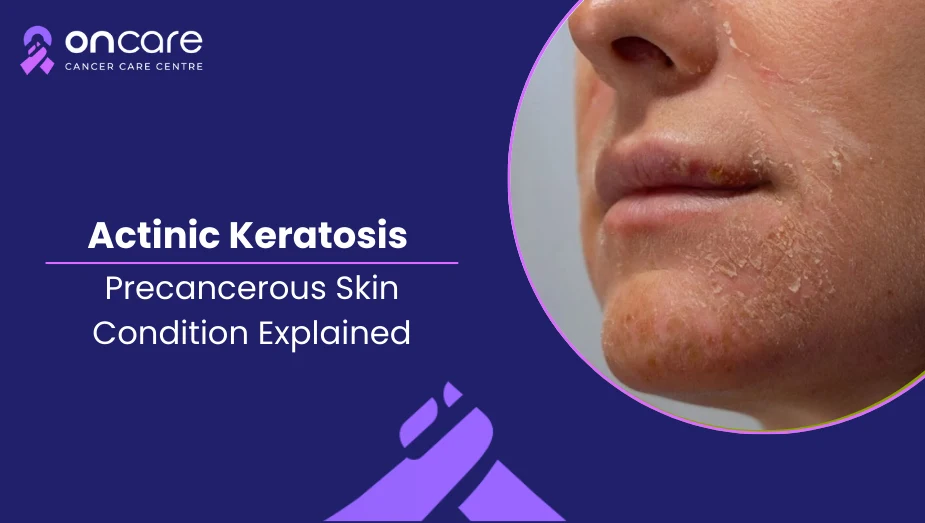
Actinic Keratosis: Precancerous Skin Condition Explained
Discover more about actinic keratosis, and its signs and symptoms, who is at risk of developing this, and its prevention and skin care and why this condition is precancerous!
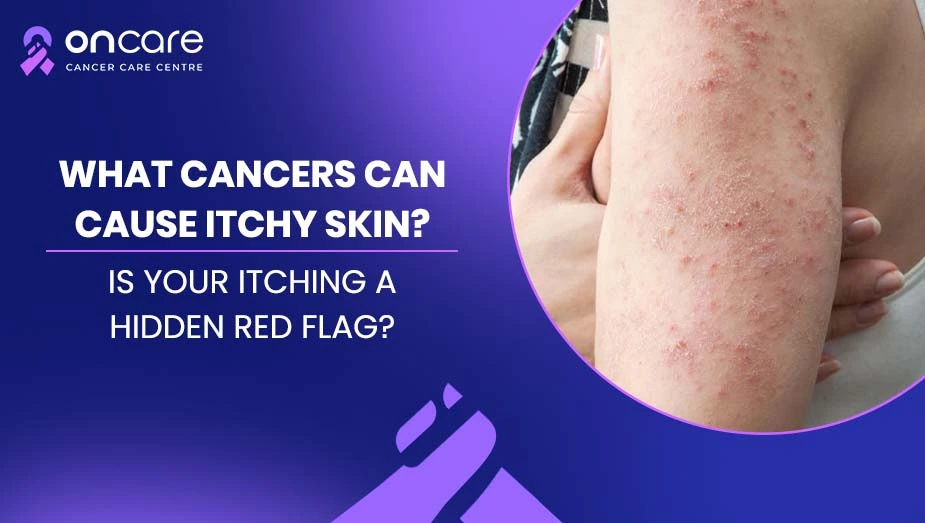
What Cancers Can Cause Itchy Skin? Is Your Itching a Hidden Red Flag?
Learn what cancer can cause itchy skin, why certain cancers trigger itching, how to tell harmless itching from serious symptoms, and when to see a doctor.
Skin Cancer Symptoms in Darker Skin: What to Look Out For
Discover more about Skin cancer symptoms in darker skin, why this cancer in darker tones are not treated early, types of cancers and when to see a dermatologist
Skin Cancer Diagnosis: What to Expect During a Dermatology Check
Discover more about skin cancer diagnosis, what to expect during a dermatology checkup, why early skin checkups matter, and tips for your dermatology consultation.