Table of Contents
Breast Cancer Radiation Therapy: Step-by-Step Treatment Overview

By Dr. Gajendra Kumar Himanshu


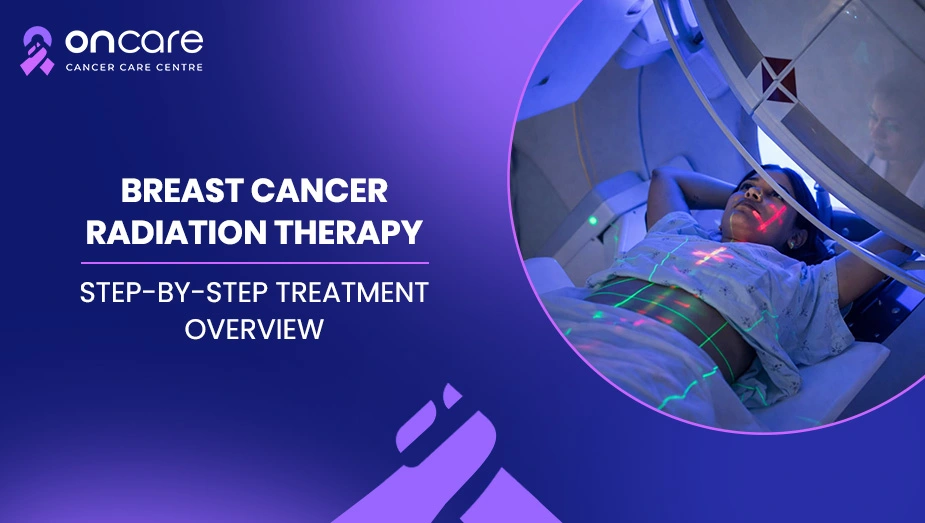
When someone finds out they have breast cancer, they usually need more than one type of treatment. Surgery, chemotherapy, and radiation therapy are typically used together to get rid of cancer and lower the risk of it coming back.
Radiation therapy is one of the most popular and successful ways to treat breast cancer following surgery. A lot of patients are worried about it since they don't know what will happen.
This blog breaks down radiation therapy into easy-to-understand phases, so you know how it works, what occurs during treatment, and what recovery is like. If you want to find reliable medical information, you can visit the World Health Organization.
What does radiation therapy do?
Radiation therapy uses powerful beams, like X-rays, to kill cancer cells. It focuses on the area that is damaged and helps keep cancer from coming back following surgery. It is a local treatment; it only works on the area that is being treated. For further information, you can visit the National Cancer Institute website.
When is radiation therapy used to treat breast cancer?
In the following situations, doctors may suggest radiation therapy:
- After a lumpectomy, which is a surgery that preserves the breast tissue
- In some circumstances, after a mastectomy
- If cancer has migrated to lymph nodes that are close by
- To lower the chance of it happening again
How Radiation Therapy Works Step by Step
Step 1: Meeting and making plans
The first step in your therapy is to visit with a radiation oncologist. They look over your findings and decide if you need radiation.
Step 2: Simulation (Scan for Treatment Planning)
A CT scan is used to find the exact spot that needs treatment. Small markings may be put on your skin to help the radiation get to the right area.
Step 3: Making a Plan for Treatment
A personalized strategy is made by doctors and specialists:
- Exact amount of radiation
- How many sessions
- Area of interest
This makes sure that the most damage is done to cancer cells while keeping healthy tissues safe.
Step 4: Start of Radiation Sessions
Most of the time, treatment starts a few weeks after surgery.
There are sessions five days a week for a few weeks.
It takes roughly 10 to 20 minutes for each session.
You lie down on a machine, and it sends radiation without pain.
Step 5: Keeping an Eye on Things During Treatment
Doctors check on your progress and deal with side effects on a frequent basis. If necessary, changes can be made.
Step 6: Finish and Follow Up
After finishing sessions:
- There are plans for follow-up visits.
- Doctors keep an eye on recovery and look for signs of a return.
Different kinds of radiation therapy for breast cancer
Type of Radiation Therapy | Description |
|---|---|
Radiation from the outside | The most prevalent type is sent by a machine outside the body |
Brachytherapy | Radiation is put inside or close to the tumor location |
Radiation for Part of the Breast | Only focuses on one area of the breast |
Radiation during surgery | Administered during surgery in some instances |
Effects of Radiation Therapy
Most side effects go away on their own and can be dealt with.
Side Effects That Happen a Lot:
- Skin that is red or irritated
- Tiredness
- Swelling of the breasts
- Slight pain or discomfort
Side Effects That Happen Less Often:
- Darkening of the skin
- Changes in the form of the breasts
- Rarely affects organs nearby
Recovery After Radiation Therapy
Recovery is different for everyone, although most individuals start to feel better within a few weeks.
How to Get Better:
- Get adequate sleep
- As your doctor says, keep your skin wet.
- Eat foods that are good for you.
- Don't wear tight clothes on the area that was treated.
- Do what the doctor says
The good things about radiation therapy
- Lessens the chance of cancer coming back
- Attacks cancer cells that are still there after surgery
- Increases chances of long-term survival
- A method that doesn't hurt and doesn't require any cuts
Is it safe to use radiation therapy?
Yes, contemporary radiation therapy is quite advanced and safe when a professional is in charge. Doctors carefully design treatment so that it doesn't hurt good tissues too much.
Consult Today
Radiation therapy is a key aspect of treating breast cancer. It may seem scary at first, but knowing how it works can make it a lot simpler to deal with.
Most patients can finish radiation therapy and go back to their normal lives with the correct medical team, the right care, and regular follow-ups.
It's important to pick the right hospital if you or a loved one is getting treatment. Oncare Cancer Hospital is a reputable place to get breast cancer treatment because it has skilled staff, cutting-edge equipment, and treatment plans that are tailored to each patient.





Frequently Asked Questions
No, the operation doesn't hurt. You won't feel anything during the session.
It normally lasts for a few weeks, with sessions every day of the week.
Yes, a lot of people go about their daily lives, but it's crucial to rest.
Most adverse effects go away when therapy ends and get better.
Written and Verified by:

Dr. Gajendra Kumar Himanshu Exp: 10 Yr
Medical Officer
Book an Appointment
Related Blogs
Chemotherapy vs Immunotherapy vs Radiation Therapy: Understanding the Differences
Compare chemotherapy, immunotherapy, and radiation therapy, including benefits, side effects, and treatment options at Oncare Hospital with expert cancer care.
Radiation Dermatitis: Skin Care Steps Before, During and After Treatment
Learn skin care tips for radiation dermatitis before, during, and after treatment to reduce irritation and support healing at Oncare Cancer Hospital.
Where to Get Radiation Therapy in Bengaluru? Cost & Doctor Guide
Radiation Therapy in Bengaluru at Oncare Cancer Hospital with expert oncologists, modern equipment, and safe, precise cancer treatment for better outcomes.
How to Plan Nutrition During Chemotherapy or Radiation?
Learn nutrition planning during chemotherapy and radiation. Tips on meals, hydration, managing nausea, and staying strong throughout cancer treatment.