Table of Contents
Ovarian Cancer Last Stage Symptoms – Recognizing the Final Signs

By Prashant Baghel


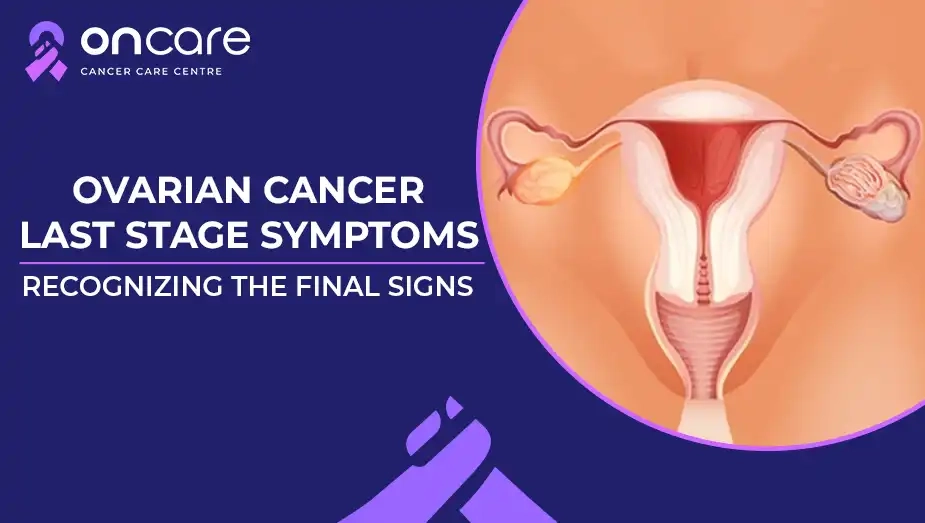
When someone hears the words "ovarian cancer," they may feel scared, confused, and have a lot of questions that aren't answered. This disease is particularly harder to deal with because it generally grows slowly and doesn't exhibit many indicators in the beginning. A lot of folks just find out about it when it is already really bad.
This article will help you or someone you care about understand the last-stage symptoms of ovarian cancer in a way that is easy to understand and human-friendly. Knowing things early gives you comfort, strength, and the ability to make better choices. Let's look at the indicators of the last stage with care and understanding.
To support readers better, this article highlights important ovarian cancer last stage symptoms so families can identify changes with clarity and compassion.
What You Need to Know About the Last Stage of Ovarian Cancer
Ovarian cancer has four phases. Stage 4 is the last, and it signifies that the cancer has moved a considerable way from the ovaries. This could be regions like the liver, lungs, or other organs that are far away. The symptoms are now clearer and usually stronger. The disorder affects numerous sections of the body, which makes it hard for the body to function properly. This can make it hard to do things every day.
These changes that happen to many people at once are some of the worst signs of ovarian cancer in its terminal stage.
At the end of life, the goal of care often shifts from trying to cure the cancer to making the individual feel better, relieving their pain, and improving their quality of life. Knowing these signals can help families get ready and make sure their loved one gets the support they need.
Really terrible stomach pain that never goes away
Pain in the abdomen that doesn't go away is a common sign of advanced ovarian cancer. The discomfort could be acute, dull, or like a heavy weight in the stomach. As cancer gets worse, it can put stress on organs and tissues, which can cause pain that doesn't go away with pain medicine. People could find it hard to sit, walk, or sleep soundly. At first, the discomfort could come and go, but in the latter stage, it usually stays the same.
Very Bad Swelling and feeling full
Ovarian cancer often causes bloating, especially in the later stages. Fluid buildup, also known as ascites, can make the stomach look a lot bigger. This could make your clothes feel tight and make it hard to breathe. The swelling could hurt and make you feel full even if you haven't eaten much. This might also harm your feelings because the discomfort never goes away and makes it hard to accomplish normal tasks.
Such bloating and swelling are often noted as major ovarian cancer last stage symptoms in many patients.
Changes in weight and loss of appetite
People with ovarian cancer in the last stage often lose their appetite a lot. Food you like might not taste the same. The stomach fills up rapidly, which means that meals are tiny or skipped altogether. As time goes on, the body gets weaker, and you may lose weight. This isn't only physical; it can also affect how you feel emotionally. People who care about you may worry, but knowing that the body changes normally at this point can help you relax.
Extreme tiredness and weakness
One of the most severe symptoms of ovarian cancer in its terminal stage is fatigue. It's not simply typical tiredness; it's a deep, heavy tiredness that makes even basic things seem unattainable. It may take a lot of work to get out of bed, walk, or talk. Most of the body's energy goes into fighting the sickness, so it doesn't have much left over for other things. Rest becomes highly vital, and a lot of people sleep or lie down more.
Trouble Breathing
Fluid buildup around the lungs or cancer spreading to the chest area can make it hard to breathe. Someone may feel out of breath even while they are sitting still. They might breathe quickly or not get enough air. This might be scary for the person and their family, but supportive care can help them breathe better and feel better.
Changes in how you use the bathroom
Ovarian cancer can spread to the intestines and bladder in the terminal stage. Some people may suffer from constipation that doesn't get better with standard therapies. Some people can have trouble fully emptying their bladder. You might also have to go to the bathroom a lot or leak. These changes arise when tumors that are getting bigger press on organs, which makes them work differently. Talking to a doctor can help you deal with these problems and make your life easier.
Digestive and urinary disruptions are also recognized as common ovarian cancer last stage symptoms.
Fluid Build-Up in the Legs
Another sign is that the legs, feet, or ankles are swollen. This happens when cancer affects the lymphatic system or stops blood from flowing normally. The legs could hurt, feel heavy, or be sore. This swelling might make it hard to walk and make you more tired. Raising the legs or giving a mild massage are two simple things that could help for a short time.
Feeling sick and throwing up
Ovarian cancer can mess with the digestive system as it spreads. This makes you feel sick, throw up, or have a stomachache all the time. It could be hard to eat, and even drinking water might hurt. This symptom can improve with medicine, but it often stays the same in later stages. Families should encourage their loved ones to drink little amounts of water or eat light foods, but they should also know that the body's needs alter.
Changes in the Mind and Emotions
The terminal stage of ovarian cancer has symptoms that affect both the body and the mind. Someone can feel tired, disoriented, or alone. Pain medications, not getting enough nutrients, or the condition getting worse on its own can all cause these changes. It's also usual to have mood swings, feel depressed, and be anxious. During this period, it's really vital to show love, patience, and understanding.
Recognizing the Last Changes in the Body
The body reveals fresh indications in the last days or hours. The rhythm of your breathing may shift or slow down. Your hands and feet could feel cold. The person might sleep more and talk less. A lot of the time, appetite goes away totally. These changes happen on their own when the body gets ready for death. This time may be hard for families to deal with emotionally, but knowing what's going on can help them stay calm and helpful.
These final changes often mark the most advanced ovarian cancer last stage symptoms, indicating the body is slowing down.
How Important It Is to Get Help and Care
You need to be patient, loving, and understanding as you care for someone with late-stage ovarian cancer. Doctors and nurses typically care more about comfort than cure. Pain management, emotional support, and fostering a tranquil environment become paramount.
Families should also take care of themselves because helping a loved one can be hard on both their bodies and minds.
Consult Today
Families and patients can get ready with strength, compassion, and clarity if they know what the terminal stage of ovarian cancer looks like. Each symptom tells a part of the tale of how the body is doing, and caregivers can help more if they know what they are. This path is hard, but no one has to go through it alone. Oncare Cancer Hospital is a trusted choice for patients and families who want the finest possible care at every stage of ovarian cancer. They offer sophisticated therapy, experienced care, and compassionate support.
If you are trying to understand ovarian cancer last stage symptoms, getting the right support can make the journey more peaceful and manageable.
Frequently Asked Questions
Yes, a lot of symptoms can be severe, especially stomach aches; however, doctors can give you medicine to help ease the pain.
The major goals of treatment are to make the patient more comfortable, slow the cancer's progress, and improve their quality of life.
No, symptoms can change based on how the cancer spreads and how healthy the person is generally.
Being there for the patient, giving them comfort, and working closely with the medical staff can make them feel safe and cared for.
Book an Appointment
Related Blogs
How to Check for Ovarian Cancer at Home: Self-Monitoring Guide
Learn how to check for ovarian cancer at home by tracking symptoms like bloating, pelvic pain, digestive changes, and fatigue. Self-monitoring helps with early detection.

How Manisha Koirala Overcame Advanced Ovarian Cancer
Manisha Koirala’s inspiring journey through stage IV ovarian cancer highlights her strength, recovery, and emotional healing. A story of hope and resilience against all odds.
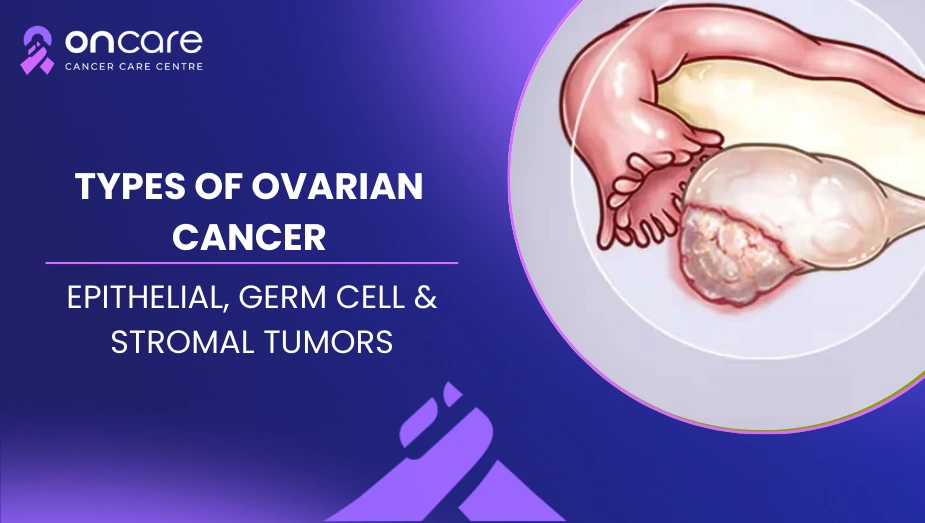
Types of Ovarian Cancer: Epithelial, Germ Cell & Stromal Tumors
Types of ovarian cancer—learn symptoms, risk factors, and treatment options. Early diagnosis can improve outcomes. Get expert consultation and care at Oncare.
How to Recognize the Silent Symptoms of Ovarian Cancer
Ovarian cancer symptoms—don’t ignore warning signs like bloating, pelvic pain, frequent urination, or appetite loss. Get timely expert care at Oncare today.