Table of Contents
Oropharyngeal Cancer: A Complete Guide for Early Recognition

By Raveena M Prakash


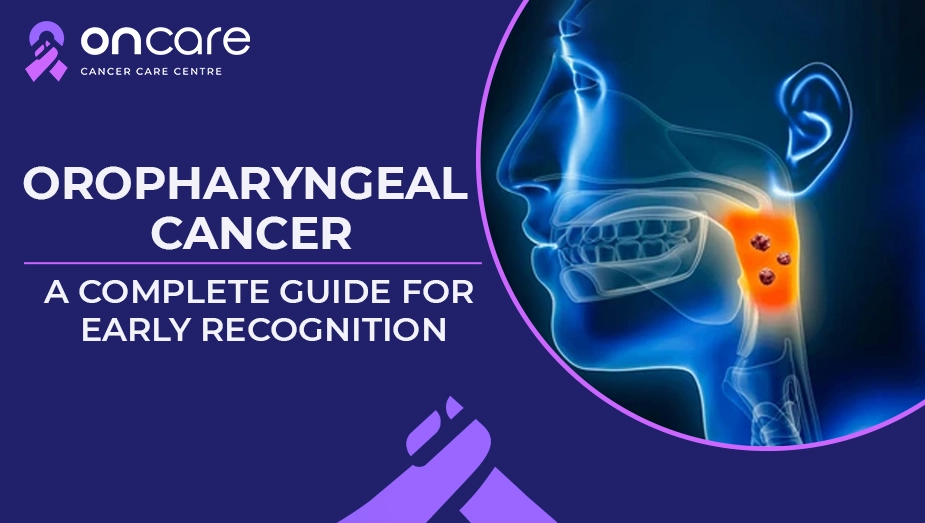
Oropharyngeal cancer is a type of head and neck cancer that often goes unnoticed in its beginning phase. Early symptoms can often look like more common and less serious health conditions, such as throat problems. Many people tend to delay seeking an immediate medical evaluation. In most cases, people often diagnose this condition in its advanced stages. Understanding its early warning signs, risk factors, and early detection tips can make a huge difference and save lives.
In this article, we’ll discover everything you need to know about oropharyngeal cancer and the importance of early detection.
What is Oropharyngeal Cancer?
Oropharyngeal cancer is a rare type of head and neck cancer, which is a squamous cell carcinoma. An oropharyngeal cancer develops in the oropharynx, the middle part of the throat.
These areas include:
- The back of the tongue
- The tonsils
- The soft palate
- The side and back walls of the throat
Most oropharyngeal cancers fall under the category of squamous cell carcinomas, meaning they might start in the thin, flat cell lining of the throat.
Common risk factors
There are several factors that might increase the risk of developing oropharyngeal cancer.
These may include:
- Human papillomavirus (HPV): HPV, especially HPV-16, is now considered the leading cause of these cancers. HPV-related cancers often affect younger adults and non-smokers.
- Use of tobacco products: People with a habit of smoking cigarettes, cigars, pipes, and smokeless tobacco. The risk of developing these cancers increases with the duration of smoking tobacco and cigarettes in people.
- Excessive consumption of alcohol: People with a habit of frequent and heavy alcohol consumption might lead to this cancer along with smoking cigarettes and the use of tobacco products will definitely increase the risk of developing this cancer.
- Age and Gender: People are above the age of 40 and 50 are more prone to develop this cancer, especially in men. Additionally, with a lifestyle choice of smoking and alcohol consumption can increase the risk of this cancer.
- Poor oral health: People with poor oral hygiene and chronic irritation might contribute to the development of this cancer.
Early symptoms to watch out for
Early signs and symptoms often appear as subtle and mild, and persistent, seek immediate medical advice if any of these symptoms lasts more than 2 weeks. Here are some of the symptoms, including:
Throat and mouth symptoms
- Persistent sore throat
- Pain or difficulty in swallowing
- Feeling of something stuck in your throat
- White or red patches in the mouth or throat
- Voice and speech changes
- Hoarseness
- Voice changes that doesn’t improve
- Slurred speech in advanced cases
Neck and ear symptoms
- Lump or neck swelling
- Ear pain without any infection
- Unexplained weight loss
- Persistent fatigue
- Bleeding from the mouth or throat
Treatment options
An early-stage oropharyngeal cancer might require only one form of treatment, such as surgery, while advanced stages of cancer might require a combination of cancer treatments. The treatments basically depend on the stage, location and cause of the cancer.
Common treatments may include:
- Surgery to remove the cancer
- Radiation therapy
- Chemotherapy
- Targeted or immunotherapy (especially HPV-related cancers)
Why early recognition matters
When these cancers are detected in their early stages, oropharyngeal cancer is considered highly treatable, and survival rates are significantly better than advanced-stage cancers. But unfortunately, early symptoms are often mild and mistaken for some less serious infections, allergies, or voice strain.
Performing early diagnosis helps with:
- Reduce the need of an aggressive cancer treatment
- Improve the quality of life after the treatment
- Increase the long-term survival rates
- Increase the treatment outcomes
Can Oropharyngeal cancer be prevented?
Oropharyngeal cancer is a rare, serious complication of human papillomavirus. This is a commonly sexually transmitted disease, many people can have without knowing it. Many studies have suggested that, many years later you may learn the virus in the body has triggered changes that cause Oropharyngeal cancer.
While not all oropharyngeal cancer can be prevented, the risk of developing these conditions can be reduced significantly by following these:
- Getting the HPV vaccines
- Avoiding tobacco products
- Limiting the consumption of alcohol
- Maintaining good oral hygiene
- Having regular dental and medical checkups
When to consult a doctor
Understanding when to seek medical attention is crucial for early detection of oropharyngeal cancer. While many throat-related symptoms are harmless and temporary, some warning signs should never be ignored, especially if they continue or worsen over time.
You should see a healthcare provider if you experience, including:
- A sore throat lasting more than two to three weeks
- A painless lump in the neck
- Experiencing a difficulty in swallowing foods
- Unexplained ear pain
If you experience any of the following symptoms, get an immediate medical evaluation because early diagnosis saves lives.
Consult Today
Oropharyngeal cancers may be considered complex and serious, but early recognition of this cancer can change the treatment outcomes dramatically. If you are experiencing any of these symptoms, understanding its risk factors and seeking immediate medical advice can make all the difference.
At Oncare, we offer premium-quality cancer treatments, including advanced cancer surgeries, at an affordable price range with an experienced cancer specialist consultation.
If you or any loved ones are diagnosed with cancer, then visit Oncare Cancer Hospital and book an appointment with our experienced cancer specialist today. Get an estimated cost of your cancer treatment today.
Frequently Asked Questions
Here are some of the symptoms of oropharyngeal cancer, including a sore throat that doesn’t get better, experiencing pain while you swallow, trouble when you open the mouth, losing weight without trying, ear pain or voice changes that don’t go away, a lump in the back of the mouth, a lump in the neck, and coughing up blood.
The treatments may include surgery, a combination of treatments including chemotherapy and radiation therapy, and additionally targeted therapy and immunotherapy.
No, they are different forms of head and neck cancer. While oral cancer develops in the mouth.
Book an Appointment
Related Blogs

What Is Nasopharyngeal Cancer? Key Facts Explained
Learn more about nasopharyngeal cancer, how common this cancer is, its causes, symptoms, diagnosis, and treatment options, and how this cancer can be prevented.
Small Cell Lung Cancer: Rapidly Growing But Treatable
Learn more about small cell lung cancer and why it is considered an aggressive type, treatments, and the importance of early detection and smoking cessation.
Stage 1 Ovarian Cancer Symptoms and Early Detection Tips
Learn more about Stage 1 ovarian cancer symptoms and why early diagnosis gets difficult, and early detection tips for Stage 1 ovarian cancer and its treatments!

Inflammatory Breast Cancer: A Rare but Aggressive Type
Learn more about inflammatory breast cancer, symptoms, risk factors, difficulties in getting diagnosed with this cancer, and treatments and living with IBC!