Table of Contents
Is the mRNA Cancer Vaccine Available in India? Current Status Explained

By Dr. Gajendra Kumar Himanshu


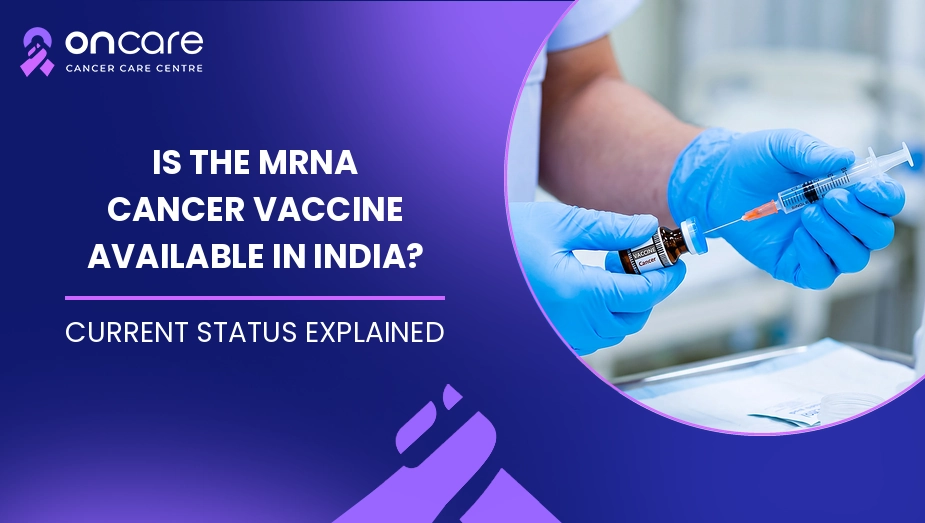
As of August 2026, mRNA cancer vaccines are not available as a routine, approved cancer treatment in India. These vaccines are currently being investigated in clinical trials, although recent results from research on mRNA cancer vaccines, especially in melanoma, have shown promising results. The patients in India should not mistake an experimental mRNA cancer vaccine with existing cancer treatments such as chemotherapy, immunotherapy, targeted therapy, radiation therapy and surgery.
mRNA cancer vaccines have gained much interest since they are designed to leverage the information in the patient's own tumor to help the immune system locate and destroy cancer cells. These cancer vaccines are being developed mainly as therapeutic vaccines, which are designed to help treat cancer or lower the risk of cancer coming back (unlike vaccinations used to prevent diseases).
In this blog, we will discuss whether mRNA cancer vaccines are available in India, how they work, which types of cancer are the focus of the most research, whether they can completely cure cancer, and what cancer treatment options are currently available in India.
What Is an mRNA Cancer Vaccine?
An mRNA cancer vaccine is an experimental type of cancer immunotherapy that uses messenger RNA, or mRNA, to train the immune system to identify certain proteins or markers on cancer cells.
The main concept is to teach the immune system to better recognize and go after the aberrant cancer cells. Some tailored vaccinations are produced by examining mutations in a patient's tumor, so the vaccine will be different from one patient to another.
It is vital to point out that an mRNA cancer vaccine is not the same as the mRNA vaccines that were created for infectious diseases such as COVID-19. Cancer vaccines are used to attack tumor-specific targets and are under study as a treatment for cancer.
Is the mRNA Cancer Vaccine Available in India?
At present, there is no mRNA cancer vaccine for cancer treatment that has been routinely licensed and widely available in India. Currently the sector is in a stage of clinical development and access to these therapies is usually within the framework of research studies or clinical trials, not routine hospital therapy. The Indian CDSCO holds separate records for licensed vaccines and clearances for clinical studies, and the public record does not show an mRNA cancer vaccine being sold routinely for general cancer treatment at this time.
But the research is happening at a blistering pace. In August 2026, Moderna and Merck reported that their personalized mRNA cancer vaccine, intismeran, showed positive results in late-stage trials for people with high-risk melanoma when used with pembrolizumab. The trial found an increased chance of melanoma not returning or spreading compared with pembrolizumab alone, but the medication is still investigational and pending regulatory approval.
Current Status of mRNA Cancer Vaccine Research in India
Question | Current Status |
|---|---|
Is an mRNA cancer vaccine a real area of research? | Yes |
Is it being tested in clinical trials? | Yes |
Is it approved as a routine cancer treatment in India? | No |
Can patients receive it as standard treatment in every cancer hospital? | No |
Could availability change in the future? | Yes, depending on trial results and regulatory approvals |
How Does an mRNA Cancer Vaccine Work?
This process differs from conventional vaccination.
Doctors first identify targetable genetic changes or proteins within the patient's tumor. This information is then incorporated into an mRNA sequence that instructs the immune system on how to respond.
The cells then use the mRNA instructions to make that specific target protein or antigen. The immune system detects this target and activates immune cells, particularly T cells, which may recognize and kill cancer cells that carry these cancer-associated markers.
The goal is to launch a more robust and precise immunological attack against cancer. Research is also being conducted on combining these vaccines with immunotherapy drugs, as checkpoint inhibitors can help immune cells remain active against the cancer. This combination approach has recently been utilized in research on melanoma.
Which Cancers Are the Subject of the Most Research in This Area?
Several different types of cancer are being explored for mRNA cancer vaccines, but melanoma has been one of the most heavily studied.
Researchers are also looking at mRNA-based methods for tumors like:
- Melanoma
- Non-small cell lung cancer
- Pancreatic cancer
- Bladder cancer
- Kidney cancer
- Stomach cancer
- Certain head and neck cancers
Does It Completely Cure Cancer?
We should not call an mRNA cancer vaccine a total cure for cancer at this time.
The purpose of these vaccinations may be different depending on the cancer and treatment scenario. Researchers may be attempting to eradicate any leftover cancer cells after surgery, lower the chance of recurrence, control advanced disease, or enhance the response to existing treatments.
The current melanoma data are encouraging, as the tailored vaccine reduced the risk of recurrence and metastasis when paired with pembrolizumab. But that doesn't mean every cancer patient can be treated with an mRNA vaccination. More data and long-term follow-up are needed to understand its long-term advantages and safety, and its place in normal cancer care.
What Cancer Treatments Are Currently Available in India?
There are a number of well recognized cancer treatments available to patients in India nowadays. The treatment approach relies on the type of cancer, stage, tumor biology, overall health and other individual characteristics.
Treatment options include Surgery, Chemotherapy, Radiation Therapy, Immunotherapy, Targeted Therapy, Hormone Therapy and Stem Cell or Bone Marrow Transplantation for specific blood malignancies.
Doctors sometimes use two or more treatments together. For example, one patient may receive surgery and then chemotherapy or radiation, whereas another patient may receive immunotherapy or targeted therapy based on specific features of the tumor.
mRNA cancer vaccines are being explored as a possible future addition to this therapy landscape, but should not be used to substitute proven treatment without the direction of a skilled oncologist.
For more information regarding mRNA vaccines for cancer immunotherapy, visit the National Library of Medicine.
Consult Today
If you or a family member is seeking advanced cancer treatment alternatives, it is crucial to consult with an experienced oncologist before looking into any experimental therapy. The proper treatment relies on the type of cancer, stage, molecular profile and health of the patient.
At Oncare Cancer Hospital, our oncology team provides personalized cancer care based on the patient's diagnosis and treatment needs. From diagnosis and staging to chemotherapy, immunotherapy, targeted therapy, radiation and surgical care, patients can discuss suitable treatment options with a specialist.
Disclaimer
This blog is for educational purposes only and does not replace professional medical advice, diagnosis or treatment. Consult a qualified oncologist for personalized advice about cancer treatment options, including participation in any clinical trial.





Frequently Asked Questions
No, mRNA cancer vaccines are not available in India as a routine or approved treatment for cancer. These therapies are still in the stages of research and clinical development.
No. It is too early to call mRNA cancer vaccines a complete cure. Research is mainly focused on improving immune responses, reducing recurrence and helping control cancer.
Melanoma has been one of the leading areas of research. A recent late-stage trial of a personalized mRNA vaccine combined with pembrolizumab showed encouraging results in reducing recurrence and metastasis risk.
Possibly, depending on the specific trial, eligibility criteria and whether a study has approved sites in India. Patients should discuss clinical trial options with their oncologist rather than trying an unapproved treatment outside a regulated study.
Written and Verified by:
Dr. Gajendra Kumar Himanshu Exp: 10 Yr
Medical Officer
Book an Appointment
Related Blogs
Proton Beam Therapy in India: How It Differs from Conventional Radiation
Proton beam therapy is a modern radiation therapy that uses proton particles to target cancer cells. Proton treatment is different from traditional radiation, which uses high-energy X-rays, in that it can deliver most of the radiation to the cancer and decrease exposure to surrounding healthy tissue. It could be effective in certain children's malignancies and in tumours placed near sensitive organs.
Palliative Care vs Hospice: Understanding the Difference
Both palliative care and hospice care emphasise comfort, symptom management, and quality of life, but they are not the same. Palliative care can start at any point in a serious disease, and can be given together with therapies like chemotherapy or radiation therapy. Hospice care is primarily for persons who are nearing the end of life and whose primary objective has changed from treating the disease to giving comfort and support.
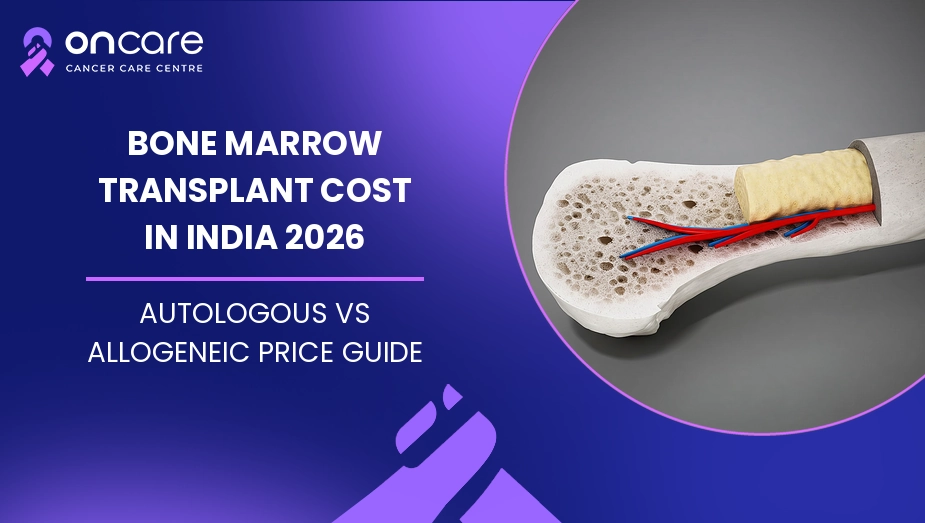
Bone Marrow Transplant Cost in India 2026: Autologous vs Allogeneic Price Guide
The bone marrow transplant cost in India in 2026 normally ranges from around ₹10 lakh to ₹40 lakh depending upon the type of transplant, facility, city, condition being treated and complications. The cost of an autologous transplant can be approximately ₹10 lakh initially whereas that of an allogeneic transplant is usually around ₹20 lakh initially.
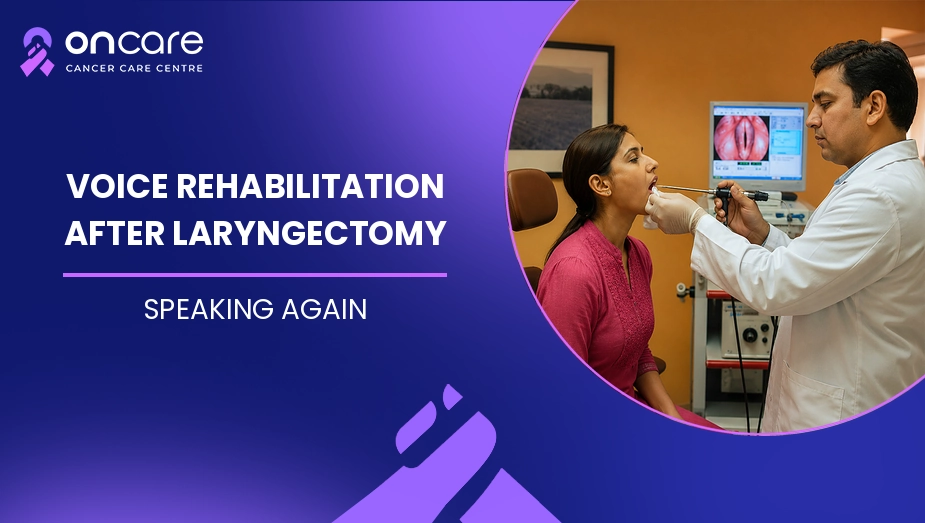
Voice Rehabilitation After Laryngectomy: Speaking Again
Voice rehabilitation after laryngectomy helps patients regain their voice after the removal of the voice box (larynx). While nothing can truly replace the natural voice, most patients are able to speak again using a voice prosthesis, esophageal speech, or an electrolarynx. Early rehabilitation with a speech-language pathologist improves communication ability, self-confidence, and overall quality of life.