Table of Contents
Long-Distance Caregiving: Coordinating Cancer Care When You Live in Another City

By Dr. Gajendra Kumar Himanshu


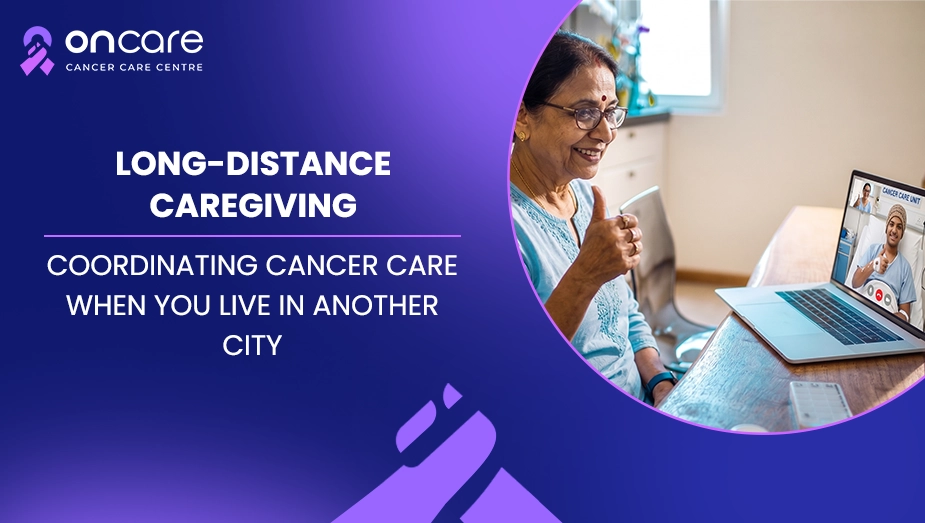
Families often move to different cities for work, education or personal responsibilities, making long-distance caregiving increasingly common during serious illnesses like cancer. When a loved one is diagnosed with cancer, family members living far away may feel emotionally helpless because they cannot provide physical support every day. However, with proper communication, planning and coordination, long-distance caregivers may still play an important role in emotional support, treatment management and healthcare decisions.
Supporting a cancer patient from another city may involve regular communication with doctors, family members and caregivers who are physically present with the patient. Long-distance caregivers may help by managing appointments, organizing finances, maintaining medical records and providing emotional reassurance through regular communication.
In this blog, we will discuss how long-distance caregivers can effectively coordinate cancer care, maintain communication, arrange medical support and stay emotionally connected while living in another city.
Understanding the Challenges of Long-Distance Caregiving During Cancer Treatment
Long-distance caregivers may experience emotional guilt, stress and frustration because they cannot always be physically present during medical appointments or emergencies. Physical distance may also lead to communication gaps, delayed decision-making and difficulty understanding the patient’s day-to-day condition.
Patients themselves may sometimes feel emotionally isolated when close family members live far away. Consistent communication and organized caregiving plans may help reduce emotional uncertainty for both patients and caregivers.
Long-distance caregiving often requires emotional patience, teamwork and reliable coordination among family members and healthcare providers.
Common Responsibilities Managed by Long-Distance Caregivers
Even from another city, caregivers may provide valuable emotional and organizational support throughout the cancer journey.
Responsibilities of Long-Distance Caregivers
Caregiving Responsibility | How Long-Distance Caregivers Can Help |
|---|---|
Medical appointment scheduling | Coordinate appointments and follow-up visits |
Financial management | Help manage treatment expenses and insurance |
Emotional support | Schedule regular phone calls and video chats |
Medical record organization | Maintain reports and treatment documents |
Family communication | Coordinate updates among family members |
Maintaining Effective Communication With Doctors and Family Members
Clear communication is extremely important during cancer treatment, especially when multiple family members are involved in caregiving. Long-distance caregivers should stay informed about treatment plans, medications, side effects and emergency instructions.
Families may use shared digital notes, messaging groups or regular video calls to improve communication and reduce misunderstandings.
According to the National Cancer Institute , organized healthcare communication and timely medical coordination are important for effective patient care management.
Participating in Medical Decisions Without Increasing Emotional Stress
Long-distance caregivers should remain involved in important medical discussions while also respecting the patient’s emotional comfort and privacy. Joining virtual consultations or communicating directly with doctors may help caregivers better understand treatment progress and ongoing care needs.
At the same time, caregivers should avoid overwhelming patients or primary caregivers with excessive questions or emotional pressure. Calm and supportive communication often creates a healthier caregiving environment during treatment.
Providing Emotional Support Even From Another City
Physical distance does not reduce the emotional importance of family support during cancer treatment. Frequent calls, video conversations and caring messages may help patients feel emotionally connected and less isolated.
Small emotional gestures such as remembering treatment dates, checking in after chemotherapy sessions or simply listening patiently without judgment may provide emotional comfort during difficult periods.
Consistent emotional presence often matters more than dramatic reassurance or lengthy conversations.
Supporting the Primary Caregiver Managing Daily Responsibilities
Long-distance caregivers should also support the family member who is providing daily patient care. Primary caregivers may experience emotional exhaustion, physical fatigue and stress during long-term cancer treatment.
Helping with financial support, arranging temporary caregiving assistance or managing appointments remotely may reduce some of the burden on the primary caregiver.
Regular communication and emotional appreciation may also help caregivers feel less isolated in their responsibilities.
Preparing for Emergencies and Unexpected Changes During Treatment
Cancer treatment may sometimes involve sudden complications, emergency hospital visits or changes in treatment plans. Long-distance caregivers should keep important medical records, hospital contact details and travel arrangements organized whenever possible.
Having backup caregiving plans and clearly assigned responsibilities may help families manage emergencies more calmly and efficiently.
Using Technology to Improve Long-Distance Cancer Care Coordination
Modern communication technology has made long-distance caregiving more manageable than before. Video calls, shared calendars, electronic medical records and online payment systems may help caregivers remain actively involved in treatment coordination.
Although technology cannot replace physical presence, it may improve communication, organization and emotional connection throughout the cancer journey.
Consult Today
Providing long-distance support to a loved one with cancer may feel emotionally challenging, but organized communication and thoughtful planning may allow families to provide meaningful care even from another city.
Remaining involved in treatment coordination, maintaining emotional connection and supporting primary caregivers may help reduce emotional stress for patients and families during difficult treatment periods.
With teamwork, technology and structured caregiving, families may create a strong support system despite physical distance.
For families seeking compassionate cancer care and advanced treatment support, Oncare Cancer Hospital is known for providing patient-centered cancer treatment and supportive healthcare services throughout recovery.





Frequently Asked Questions
Yes, long-distance caregivers may help through emotional support, financial management and treatment coordination.
Regular communication with doctors, family members and digital medical records may help caregivers stay informed.
Emotional support may help patients feel emotionally connected, reassured and less isolated during treatment.
Organizing medical records, hospital contacts and backup caregiving plans may help families respond more effectively during emergencies.
Written and Verified by:
Dr. Gajendra Kumar Himanshu Exp: 10 Yr
Medical Officer
Book an Appointment
Related Blogs
Caring for Cancer Patients at Home: A Complete Guide
Learn practical tips for caring for cancer patients at home, including diet, hygiene, and emotional support. Get expert guidance from Oncare Cancer Hospital.

How to Stop Vomiting in Cancer Patients: Causes and Solutions
Learn why vomiting happens during cancer treatment, how to manage it safely, and when to seek help. Get expert, supportive care at Oncare Cancer Hospital.

Yoga Asanas Safe for Cancer Patients: A Practitioner's Guide
Learn safe yoga asanas, breathing exercises, and wellness tips for cancer patients during recovery with expert guidance from Oncare Cancer Hospital.