Table of Contents
Pets and Chemotherapy: Keeping Your Dog or Cat Safely by Your Side

By Dr. Gajendra Kumar Himanshu


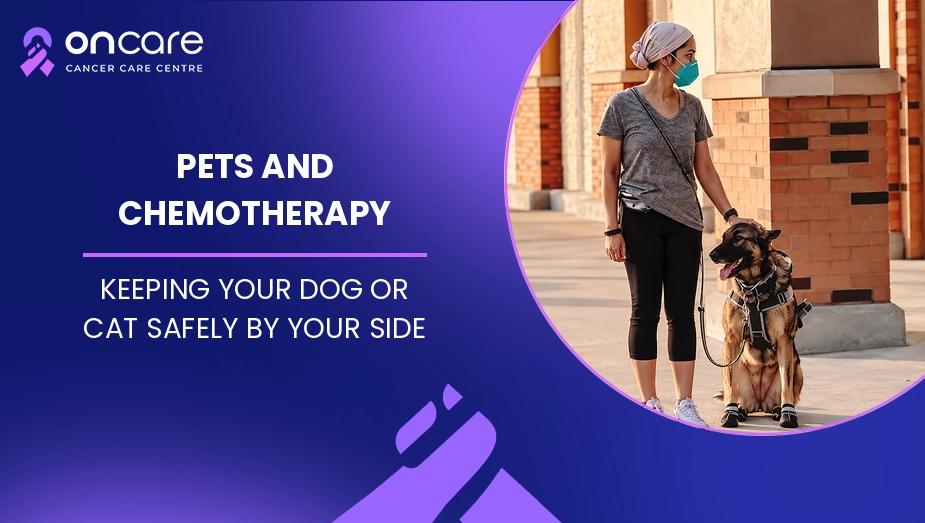
People receiving chemotherapy can usually continue living with their dog or cat. Pets do not cause or spread cancer, and spending time with a loved pet can provide comfort and emotional support. However, chemotherapy can weaken the immune system, so patients need to take some simple precautions around pet waste, scratches, bites, saliva, food and body fluids after treatment.
In this blog, we are talking about how to safely keep your dog or cat close during chemotherapy. We will explain how pets may affect infection risk, what daily precautions can help, how to handle litter boxes and dog waste, why pet hygiene matters and what to do after a scratch or bite. We will also discuss when extra care may be needed.
Can you keep your dog or cat during chemotherapy?
In most cases, yes. Having cancer does not mean you have to give up your pet. You can usually pet, hold and spend time with your dog or cat while receiving treatment. The main concern is infection because chemotherapy can lower infection-fighting white blood cells.
Pets can also bring comfort during a difficult treatment period. Their company may make daily life feel more normal. Still, your cancer doctor may suggest extra precautions if your immune system is very weak or your blood counts are low. You can also learn more about managing treatment-related problems in our blog on Chemotherapy Side Effects.
How can pets cause infection during chemotherapy?
Dogs and cats can carry germs even when they look healthy. These germs can sometimes spread through scratches, bites, saliva, urine, faeces, or contaminated objects. When your immune system is weakened, an infection may become more serious than it normally would.
This does not mean your pet is dangerous. It means simple hygiene becomes more important. Washing your hands after touching your pet, avoiding rough play and keeping your pet healthy can lower the chance of problems. Regular hand cleaning is especially important during chemotherapy.
Important pet safety tips during chemotherapy
A few simple habits can make spending time with your pet safer:
- Wash your hands with soap and water after petting, feeding or caring for your pet.
- Keep your pet’s nails trimmed to reduce the risk of scratches.
- Avoid rough play that could lead to a bite or injury.
- Do not let your dog or cat lick your face, mouth or open cuts.
- Keep your pet’s food and water bowls clean.
- Make sure your pet receives regular veterinary care and recommended vaccines.
For more help with the physical and emotional challenges of cancer treatment, you can also read about Supportive Care in cancer.
Who should clean the litter box or dog waste?
This is one of the most important precautions during chemotherapy. Cat litter and dog faeces can contain germs or parasites that may cause infection. When your immune system is weak, it is better to have another person clean the litter box and pick up dog waste for you.
If you have no one else to help, use disposable gloves and wash your hands carefully with soap and water after cleaning. Keep litter boxes away from places where food is prepared or eaten. Indoor cats are also generally safer because they have less exposure to certain infections outside.
What about chemotherapy medicines and pet safety?
Chemotherapy medicines can be harmful to pets if they accidentally swallow them. Keep all cancer medicines, including tablets and capsules, in a secure place where your pet cannot reach them.
There may also be precautions around body fluids after some chemotherapy treatments. The exact instructions depend on the medicine and treatment plan. During this time, pets should be kept away from certain body fluids, especially for at least 48 hours after some chemotherapy treatments or infusions. Your oncology team may recommend a different time period based on your treatment.
What should you do after a scratch or bite?
Even a small scratch can become infected when your immune system is weak. If your dog or cat scratches you, clean the area promptly and keep it covered while it heals. Watch for redness, swelling, increasing pain or pus.
A bite that breaks the skin should be taken seriously. Cat bites, in particular, can become infected and should be checked by a doctor. Do not wait for symptoms to become severe before seeking medical advice.
If you develop a fever or other signs of infection during chemotherapy, contact your cancer care team promptly. A temperature of 38°C (100.4°F) or higher is considered an emergency for many people receiving chemotherapy.
Keep your pet healthy too
A healthy pet is easier to keep safe around a person receiving chemotherapy. Regular veterinary visits, recommended vaccines, and flea and tick control can help protect both the pet and the household. Tell your veterinarian that someone in the home is receiving cancer treatment so they can advise you about your pet’s health needs.
It is also best to avoid raw pet food because raw food can carry germs such as Salmonella and Listeria. The CDC does not recommend feeding raw pet food or raw treats to dogs and cats.
Simple guide to staying safe with pets
The table below brings together the everyday situations that come up with a dog or cat at home, and the safer way to handle each one during chemotherapy.
Pet activity | During chemotherapy | Safer approach |
|---|---|---|
Petting your dog or cat | Usually okay | Wash hands afterward |
Cuddling | Use extra care if immunity is very low | Avoid kissing or very close face contact |
Rough play | Can cause scratches or bites | Choose gentle play |
Cat litter | Higher infection risk | Have someone else clean it |
Dog waste | Higher infection risk | Ask someone else to pick it up |
Pet saliva | Can carry germs | Do not allow licking of wounds or face |
Pet food | Can carry germs | Avoid raw pet food and wash hands |
Pet medicines | Can be harmful if swallowed | Keep them stored safely |
These precautions are especially important when your white blood cell count is low.
When should you talk to your doctor?
Your doctor may recommend stronger precautions if you have severe neutropenia, a very weak immune system, a recent stem cell transplant or another condition that increases your infection risk. Your treatment plan matters because not every patient has the same level of risk.
You should also tell your cancer team about any pet bite, deep scratch, unusual wound, fever or other possible sign of infection. Early medical advice is important during chemotherapy.
Consult Today
You do not usually need to leave your beloved dog or cat behind during chemotherapy. With good hygiene, careful handling and the right precautions, many patients can safely enjoy their pet’s company throughout treatment. At Oncare Cancer Hospital, patients can discuss chemotherapy, infection prevention, neutropenia and other supportive care needs with the specialist team based on their individual treatment.
Disclaimer
This information is for educational purposes only and does not constitute medical advice, diagnosis, or treatment. Always discuss decisions about infection risk, pet care or any other part of your cancer treatment with a certified cancer healthcare provider.





Frequently Asked Questions
Yes, most people can safely stay with their pets during cancer treatment, but extra infection precautions may be needed when immunity is low.
No, your dog or cat cannot give you cancer. The main concern is infection when chemotherapy weakens the immune system.
Someone else should clean the litter box. If you must do it yourself, wear disposable gloves and wash your hands thoroughly afterwards.
Clean the wound promptly and contact your doctor, especially if the bite breaks the skin. Pet bites can become infected.
Written and Verified by:
Dr. Gajendra Kumar Himanshu Exp: 10 Yr
Medical Officer
Book an Appointment
Related Blogs
A Caregiver's Handbook: How to Support a Loved One Through Chemotherapy
Support a loved one through chemotherapy with Oncare Cancer Hospital. Learn caregiving tips, emotional support, and daily care strategies for patients.

How Indian Families Support Loved Ones During Cancer Treatment
Learn how family support during cancer treatment helps patients stay strong emotionally, mentally, and physically. Discover the importance of care and unity.

A Complete Guide to Palliative Care in India: Benefits, Process & Support
Discover more about palliative care in India and why palliative care matters in India, key benefits, and how it works in cancer patients, and why choose Oncare!