Table of Contents
Is Throat Cancer Curable? Latest Treatment Approaches Explained

By Raveena M Prakash


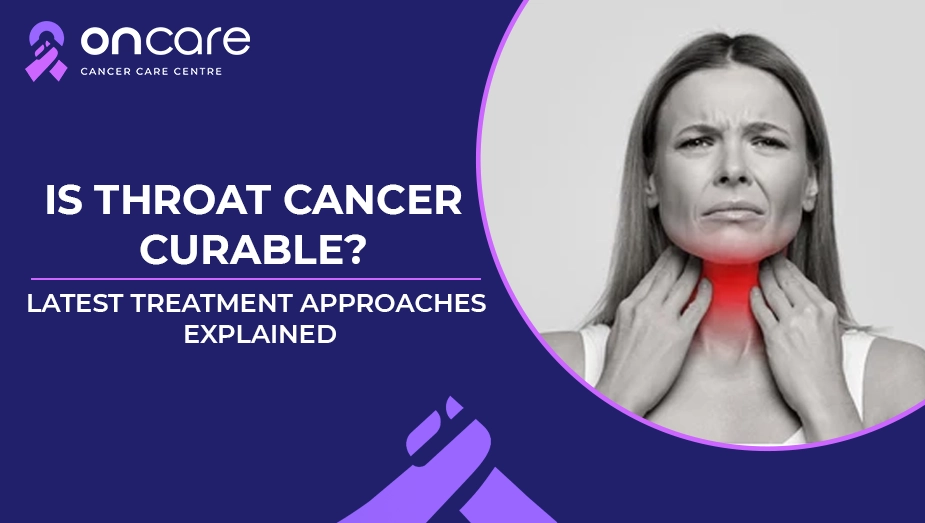
A new throat cancer diagnosis can be frightening and usually overwhelming. Many patients and their families ask questions like, ‘Is throat cancer curable? The answer depends on the type of cancer and the stage of the patients diagnosed with it. Additionally, there are some other factors that contribute to whether it's curable or not. While today medical advancements have significantly improved, so many cases of throat cancers are curable, especially when diagnosed in the early stages, and even in the advanced stages can be effectively treated and managed.
In this article, we’ll discover more about the advanced treatment approaches for throat cancer and how it can be prevented.
Understanding Throat cancer
Throat cancer is a common type of cancer which often develops in the different parts of the throat, including the pharynx (upper, middle and lower part),a part of the larynx (voice box), and tonsils. The majority of throat cancers develop in the squamous cell, which generally lines the surface of the throat. If these cancers are not treated on time, these cancer cells start to spread to the nearby tissues and its lymph nodes.
Common risk factors
These are several risk factors increase the risk of developing throat cancer, including:
- Smoking cigarettes and the use of tobacco products
- Excessive alcohol consumption
- Human papillomavirus infection (HPV)
- Exposure to harmful pollutants and toxic substances
- Weak immune system
Understanding these risk factors helps in cancer prevention and early diagnosis of this cancer.
Is throat cancer curable?
Yes, throat cancer is curable, especially when detected in its early stages, the chance of cure mainly depends on several important factors, including:
- The stage of cancer at the time of cancer diagnosis,
- exact location of the tumor,
- whether the cancer has spread to lymph nodes or other organs
- The patients overall health and age
- How the patient’s body responding to cancer treatment
Many studies suggest that an early stage throat cancer has a high success rate, with many patients achieving complete remission. Even in advanced cancer stages, modern cancer treatments can control the disease, reduce the symptoms and help to extend the life expectancy of cancer patients.
Importance of early diagnosis
Early diagnosis of throat cancer is one of the most crucial factors in improving the treatment outcomes and survival rates in patients. Throat cancer symptoms are mistaken as signs of less serious health conditions at first, and most of the people tend to ignore these signs, which often leads to delayed cancer diagnosis.
Early Warnings signs of throat cancer
- Constant sore throat
- Difficulty or experiencing pain while swallowing
- Hoarseness and voice changes lasts than two weeks
- A lump or swelling in the neck
- Ear pain
- Unexplained weight loss
Getting medical attention in the early stages can make a huge difference in the success of treatment outcomes.
Treatment approaches for Throat cancer
Advanced treatment options for throat cancer have evolved significantly. Many oncologists now focus on not only treating throat cancer but also helping to preserve speech and swallowing abilities along with improving the overall quality of life.
Surgery
Surgery is often used to remove cancerous tissue, especially in early stages of throat cancer. Modern surgical procedures have made these treatments more safe and less invasive.
Advances in surgical procedure may include:
- Minimally invasive surgeries
- Laser surgery
- Robotic- assisted surgery
These surgical procedures help to remove tumors while preserving the vital functions of the human body like speech and swallowing foods.
Radiation therapy
Radiation therapy uses high-energy beams to destroy cancer cells. These may be used as the main cancer treatment or combined with surgery or chemotherapy. Advanced radiation treatments allow precise targeting of tumors, reduce the damage to surrounding healthy tissues, and have improved treatment outcomes and long term side effects in patients.
Chemotherapy
Chemotherapy is an effective cancer treatment that uses powerful drugs to destroy cancer cells or slow their growth. These treatments are commonly used in advanced stages, alongside radiation therapy (chemoradiation), when the cancer has spread beyond the throat. Chemotherapy can cause side effects such as fatigue and nausea in patients, but supportive care helps to manage these treatment-related side effects.
Targeted therapy
Targeted therapy is a new treatment method mainly focused on the specific molecules involved in the cancer growth. Unlike chemotherapy, targeted therapy is often designed to attack cancer cells more selectively.
Immunotherapy
Immunotherapy is one of the most promising developments in cancer treatment. It worked by helping the body' s immune system recognize and attack cancer cells. This treatment approach has been given to cancer cases, where throat cancer recurs or it does not respond to traditional cancer treatments.
Survival rates and Outlook
Advancements in cancer treatments and early detection have contributed significantly to improve the survival rates of these cancers. Many patients get to live a full, productive life after completing their treatments.
Advances in cancer treatments helps patients, even in cases where complete recovery is impossible, treatments can:
- Help to get a complete control of the disease
- Helps to reduce the cancer symptoms
- Improves the overall quality of life
- Extend survival rates and overall life expectancy
In some cases, doctors recommend getting rehabilitation services such as speech therapy and swallowing therapy, along with nutritional support, to play a crucial role in cancer recovery and long-term well-being.
Life after cancer treatment
Patients after completing their throat cancer treatments often involve regular follow-ups and lifestyle adjustments. Many oncologists encourage patients to follow a healthy lifestyle including:
- Avoid using tobacco products and smoking cigarettes
- Maintain a healthy diet and healthy weight
- Stay physically active and practise gentle exercise
- Attend routine medical check-ups
Additionally, getting strong emotional and psychological support from loved ones and family is also important, as cancer recovery majorly affects mental health as well as physical health.
Can throat cancer be prevented?
Not all throat cancer can be prevented, but practising certain habits reduce the risk of throat cancer development in people.
These may include:
- Quitting smoking cigarettes and the use of tobacco products
- Limiting alcohol consumption
- Getting vaccinated against HPV
- Practising good oral hygiene
- Seeking medical attention for constant throat infections
Prevention and cancer awareness play a key role in reducing the overall risk of developing this cancer.
Consult Today
Throat cancer is not always a life-threatening disease if diagnosed earlier. Patients are diagnosed early, and with the help of advanced treatments, many cancer cases are easily curable, while others can be effectively managed. Treatments like surgery, radiation therapy, chemotherapy, targeted therapy, and immunotherapy can further improve patients' treatment outcomes.
At Oncare, we offer premium-quality cancer treatments, including advanced cancer surgeries, at an affordable price range with an experienced cancer specialist consultation.
If you or any loved ones of yours are diagnosed with cancer, then visit Oncare Cancer Center and book an appointment with our cancer specialist today. Get an estimated cost of your cancer treatments today!
Frequently Asked Questions
Here are the types of throat cancer including:
- Oropharyngeal cancer
- Laryngeal cancer
- Hypopharyngeal cancer
- Nasopharyngeal cancer
The symptoms of throat cancer may include:
- Sore throat
- Ear pain
- Difficulty swallowing
- Experiencing pain while swallowing
- A lump in the neck
- Hoarseness
- Weight loss
Here are the risk factors for throat cancer, including:
- Smoking cigarettes or using tobacco products
- HPV infection
- Excessive alcohol consumption
- Epstein- Barr virus infection
- Exposure to toxic substances
Book an Appointment
Related Blogs
First Stage Throat Cancer Symptoms – Don’t Ignore These Subtle Changes
Discover the first stage throat cancer symptoms, including voice changes, sore throat, and swallowing issues. Learn why early detection is vital for better recovery.
How Rakesh Roshan Defeated Throat Cancer with Determination
Discover more about Rakesh Roshan’s recovery from throat cancer and the importance of emotional support from your loved ones and family—lessons from his treatment journey!
How to Check for Throat Cancer at Home: Early Signs You Shouldn’t Ignore
Discover more about how to identify the early signs of Throat cancer at home, and its symptoms and risk factors and how to prevent throat cancer and when to consult a doctor!
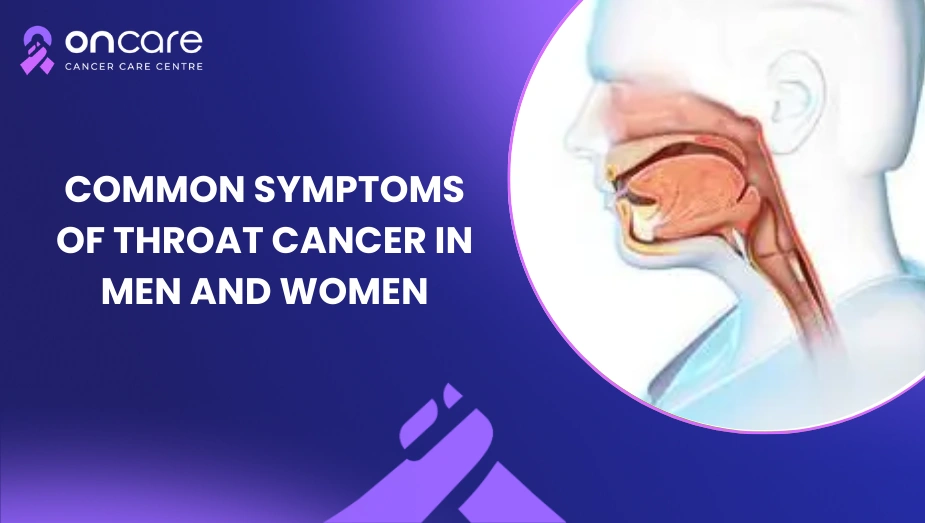
Common Symptoms of Throat Cancer in Men and Women
Throat cancer symptoms—learn early signs, diagnosis, and treatment options. Don’t ignore persistent throat pain or voice changes. Get expert care at Oncare.