Table of Contents
Is an Itchy Neck a Sign of Cancer? Myths vs Reality

By Prashant Baghel


Have you ever had an itchy neck and thought, is an itchy neck a sign of cancer? Itchy skin is common, and most of the time it's because of things that aren't serious, like dryness, allergies, or bug bites. But a lot of people are worried that an itchy neck could mean something worse, like cancer. Itchiness can sometimes be a sign of cancer, but it's not usually the first or only one. It's important for your health to know the difference between harmless causes and warning signs.
What Makes Your Neck Itch?
Before we talk about cancer, let's go over some of the most common reasons why your neck might itch. One of the most common causes is dry skin, which can happen when it's cold or when you use harsh soaps. Itchiness can also be caused by allergies to perfumes, detergents, or skin care products. Other things that can make your skin more sensitive are insect bites, eczema, fungal infections, or even stress. Most of the time, these problems go away on their own or can be treated at home or with over-the-counter medicines.
When Should You Be Concerned?
Most of the time, an itchy neck isn't a big deal, but it can sometimes mean that there is a medical problem. Itching that doesn't go away for weeks, is very bad, or comes with other symptoms should not be ignored. Unexplained weight loss, fatigue, fever, or changes in skin color are all signs to look out for. These signs don't always mean you have cancer, but they are good reasons to see a doctor for a full checkup.
Is an Itchy Neck a Sign of Cancer?
The short answer is that an itchy neck by itself is not usually a sign of cancer. Itchy skin is more often caused by minor things like dryness, rashes, or allergies. But some cancers can make you itch as one of many signs. Lymphoma, which is cancer of the lymph nodes, can sometimes make you itch all the time, even in the neck area. But in these cases, itchiness is usually not the only sign. Other signs include swollen lymph nodes, night sweats, tiredness, and weight loss that can't be explained.
Getting to Know Lymphoma
Lymphoma is a type of cancer that attacks the lymphatic system, which is a part of your body's immune system. It can make the lymph nodes in the neck, armpits, or groin swell. Some people with lymphoma say they itch, but it's usually all over their body and not just in one spot. Doctors don't usually diagnose lymphoma based only on an itchy neck because it has other obvious symptoms. It's always the combination of symptoms that makes people worry.
Other Kinds of Cancer That Might Make You Itch
In very rare cases, other cancers like liver cancer or pancreatic cancer may cause itching because of a build-up of bile salts or other changes in the body. Skin cancers, like melanoma, can also cause localized itching, but they usually come with changes to the skin that can be seen, like new moles or changes to existing ones. It's important to remember that these cancers are rare and that itchiness alone is not usually a sign that you have cancer.
How to Tell the Difference Between an Itch That Isn't Serious and an Itch That Is
One of the most important things to think about when deciding if an itchy neck is serious is how long it lasts. Temporary itching that goes away on its own or gets better with moisturizers, antihistamines, or avoiding irritants is usually not a big deal. If the itching doesn't go away after a few weeks, gets worse over time, or comes with other strange symptoms, you should see a doctor. If you pay close attention to your skin and body, you may be able to find patterns that need medical attention.
The Importance of Skin Conditions
Skin disorders that aren't malignant can make a lot of necks itch. Your skin may be red, itchy, and irritated all the time if you have eczema, psoriasis, or contact dermatitis. Fungal infections like ringworm can also affect the neck. Most of the time, using moisturizers, antifungal creams, or other indicated therapies works. These harmless reasons can help you not worry too much.
Allergies and things in the environment
Sometimes an itchy neck is only a sign of an allergy. Clothes, soaps, perfumes, or skin care items that are new can make your skin feel terrible. Some environmental elements that can also be crucial are pollution, dust, and pollen. Finding and staying away from triggers typically makes the itch go away. Allergies can come and go, but they are usually not a symptom of something serious like cancer.
Why Getting a medical checkup is important
Most of the time, an itchy neck isn't serious, but it's always best to be cautious than sorry. If you have itching that won't go away or is strange, especially if you have lumps, swelling, night sweats, weight loss, or weariness, you should consult a doctor immediately once. A doctor can figure out what's wrong by doing a physical exam, ordering blood tests, imaging, or biopsies. If you have a serious illness, getting an early diagnosis is highly critical for getting the right therapy.
Things You Can Do Every Day to Stop Your Neck from Itching
A lot of the time, modest tweaks to your everyday routine can help stop your neck from itching. It can assist to keep your skin moisturized, stay away from harsh soaps, wear soft clothes, and drink enough water. It's also good to use gentle laundry detergents and stay away from skincare products that contain allergies. Stress can make your skin more sensitive, but relaxation techniques or exercise can help. These recommendations won't take the place of medical care, but they can help you feel better and keep your skin comfortable.
Things People Say About Itchy Neck and Cancer
A lot of individuals believe that having an itch signifies you have cancer. Some people even think that any itch that can't be explained means you have cancer. But most of the time, the causes are little and easy to fix. Another myth is that scratching your neck makes you more likely to get cancer. Scratching your skin may make it more sensitive, but it won't give you cancer. If you know these myths, you can keep cool and do the right thing.
Consult Today
So, does an itchy neck mean you have cancer? Most of the time, the answer is no. Itchy skin is often caused by dryness, allergies, or small skin irritations, which aren't harmful. If you have persistent itching with other strange symptoms, you should see a doctor because it could be a sign of a more serious problem. Being aware, paying close attention, and seeing a doctor when needed are all very important. The finest destination for those who need specialised cancer care is Oncare Cancer Hospital. It has skilled doctors, cutting-edge treatment options, and a team that cares.
Frequently Asked Questions
Yes, although that doesn't happen very often. Itching by itself is normally not dangerous, but if it doesn't go away and is accompanied by other symptoms, you should see a doctor.
If the itch lasts longer than two weeks or is accompanied by other symptoms such as lumps or weight loss that you can't explain, see a doctor.
Common innocuous causes include dry skin, allergies, bug stings, eczema, or reactions to skin care products.
Yes, moisturizing, staying away from things that make you itch, wearing soft fabrics, drinking enough water, and managing stress can all help.
Book an Appointment
Related Blogs
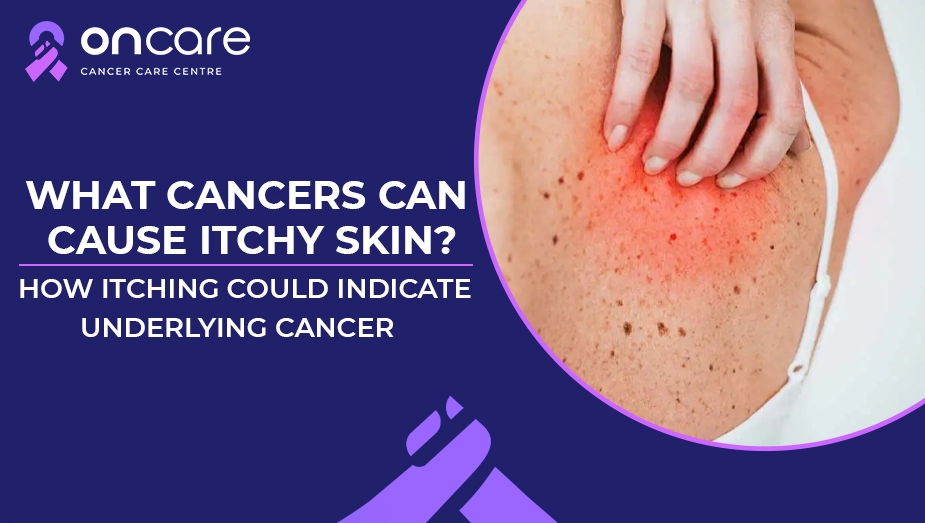
What Cancers Can Cause Itchy Skin? How Itching Could Indicate Underlying Cancer
Learn what cancer can cause itchy skin, why certain cancers trigger itching, how to tell harmless itching from serious symptoms, and when to see a doctor.
Skin Cancer Symptoms in Darker Skin: What to Look Out For
Discover more about Skin cancer symptoms in darker skin, why this cancer in darker tones are not treated early, types of cancers and when to see a dermatologist
Skin Cancer Diagnosis: What to Expect During a Dermatology Check
Discover more about skin cancer diagnosis, what to expect during a dermatology checkup, why early skin checkups matter, and tips for your dermatology consultation.
Skin Cancer Staging: How It Affects Treatment and Prognosis
Explore more about skin cancer staging: what is skin cancer, types of skin cancer, causes and symptoms, risk factors, and stage-wise treatment options for patients!