Table of Contents
Hand-Foot Syndrome From Chemotherapy: Care and Prevention

By Dr. Gajendra Kumar Himanshu


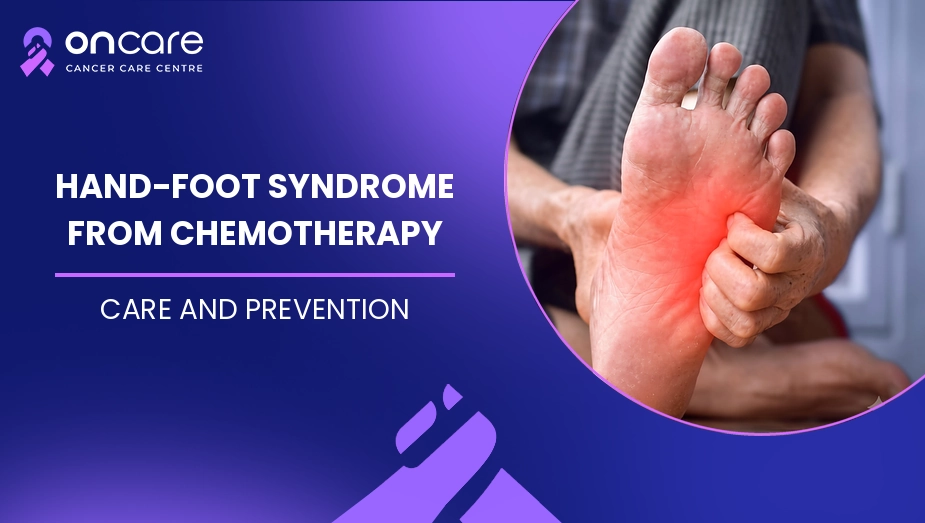
Hand-foot syndrome, also known as palmar-plantar erythrodysesthesia (PPE), is a side effect of certain chemotherapy and targeted therapy drugs that results in redness, swelling, discomfort, and peeling of the palms and soles. It can disrupt daily activities, but early diagnosis, good skin care, lifestyle adjustments, and prompt medical treatment can help lessen symptoms and prevent the condition from becoming severe.
This blog will discuss chemotherapy-induced hand-foot syndrome, why it happens, its symptoms, which cancer drugs may cause it, practical recommendations for caring for the syndrome, how to prevent it, when to call your doctor, and how correct management can help you continue cancer treatment with greater comfort.
Why Is Hand-Foot Syndrome Significant?
The purpose of cancer treatment is to kill cancer cells. Some drugs can also impact healthy cells in the skin. Hand-foot syndrome is one of the more frequent skin-related side effects, and it can make ordinary tasks like walking, writing, cooking, or handling items difficult.
Hand-foot syndrome is rarely life-threatening. However, failure to recognise early signs may result in significant discomfort, skin breakdown, and interruption of cancer therapy. Doctors can treat symptoms before the problem gets worse if the warning signs are identified early.
What Is Hand-Foot Syndrome?
Hand-foot syndrome is a skin reaction caused when minute doses of some cancer treatments escape from microscopic blood vessels into the skin on the hands and feet. Symptoms are more likely to develop in these locations because they are subject to regular pressure and friction.
This problem does not occur in all patients following chemotherapy. The risk varies with the medicine, the dose, how long the therapy lasts, and individual circumstances.
What Cancer Drugs Lead to Hand-Foot Syndrome?
The use of several chemotherapy and targeted treatment medications is known to increase the chance of developing hand-foot syndrome. Typical examples are:
- Capecitabine
- 5-Fluorouracil (5-FU)
- Liposomal doxorubicin
- Cytarabine
- Sorafenib
- Sunitinib
- Regorafenib
Your oncology team will advise you if this risk applies to your treatment and the signs to watch for.
Typical Symptoms
Symptoms usually start gradually and may appear days or weeks after therapy is begun. Typical signs include:
- Redness of palms or soles
- Swelling
- Tingling or numb feeling
- Burning sensation
- Pain or tenderness
- Dry, cracking skin
- Skin peeling
- Blisters in more severe cases
- Difficulty walking or using the hands
The sooner symptoms are reported, the sooner treatment can start before the situation gets worse.
How Is Hand-Foot Syndrome Treated?
The intensity of symptoms determines the treatment. Supportive care may help to relieve mild reactions, while more severe reactions may require a change in the cancer treatment strategy.
Management Option | What It Involves |
|---|---|
Moisturising creams | Applied as advised by your health care team |
Pain relief | Pain medication as needed |
Cooling measures | Cooling hands and feet during or after treatment if recommended |
Protective dressings | Used for cracked or broken skin |
Treatment adjustment | Temporary dose reduction or treatment pause in severe cases |
Never discontinue chemotherapy without consulting your oncologist.
Helpful Tips on How to Care for Hands and Feet
Daily skin care is vital to reduce discomfort and to prevent problems. These measures are useful:
- Apply fragrance-free moisturisers multiple times daily.
- Keep your hands and feet cool as much as possible.
- Don't wear tight socks or shoes.
- Wear comfortable, well-cushioned shoes.
- Cut down on tasks that put repeated strain on your hands and feet.
- Do not bathe in very hot water.
- Wear gloves when you are doing housework.
- Cut nails carefully to avoid skin injury.
Making small adjustments to your everyday routine might make a big difference during treatment.
How to Avoid Hand-Foot Syndrome
Complete prevention is not always possible, but several methods can lessen the risk or severity. Your health care team may suggest:
- Begin using moisturisers before symptoms emerge.
- Reduce friction and heat.
- Drink plenty of water.
- Check your skin daily.
- Report new symptoms promptly.
- Follow any skin care advice from your cancer care team.
Acting early can often prevent mild signs from developing into serious skin damage.
When to See a Doctor
Tell your health care professional right away if you notice:
- Severe pain
- Large blisters
- Bleeding or open wounds
- Difficulty walking
- Inability to perform daily activities
- Signs of skin infection such as pus or fever
Early treatment can help reduce symptoms and allow cancer treatment to proceed safely.
If you want to read more about chemotherapy, then you can visit the National Cancer Institute.
Consult Today
Chemotherapy-induced hand-foot syndrome is an easily managed side effect of treatment if caught early. Being aware of skin changes, practising preventive care, and maintaining regular contact with your oncology team can help reduce discomfort and enhance quality of life during cancer treatment. Prompt management also helps to prevent your treatment plan from being interrupted.
If during chemotherapy you notice redness, soreness, or peeling of the hands or feet, you should contact the oncology specialists at Oncare Cancer Hospital. Early assessment and supportive care can help manage symptoms, protect your skin, and keep your treatment on track when possible.
Disclaimer
This article is solely for educational purposes and is not a substitute for professional medical advice, diagnosis, or treatment. Always consult with your oncologist before you change anything about your cancer treatment or skin care routine. Your individual treatment recommendations may differ based on your medical condition and therapy plan.





Frequently Asked Questions
Hand-foot syndrome is a side effect of some chemotherapy or targeted therapy drugs that causes inflammation and irritation of the skin on the palms of the hands and the soles of the feet.
While it is normally not life-threatening, severe cases can be uncomfortable, interfere with everyday activities, and may need temporary adjustments to cancer treatment.
Although it cannot always be prevented, the intensity can be reduced by regular moisturising, avoiding heat and friction, and early reporting of symptoms.
No. Don't stop cancer treatment on your own. Your oncologist will discuss whether supportive treatment, a dose reduction, or a temporary treatment pause is warranted.
Written and Verified by:
Dr. Gajendra Kumar Himanshu Exp: 10 Yr
Medical Officer
Book an Appointment
Related Blogs
Recovery After Stomach Cancer Surgery: Eating and Nutrition Tips
Recovery after stomach cancer surgery depends not only on the healing of the operation but also on the appropriate diet and nutrition plan. Small, frequent meals, adequate protein, good hydration, vitamin supplementation when necessary, and a gradual progression of the diet can help support healing, maintain weight, improve energy levels, and lessen digestive discomfort during recovery.
Types of Cancer Immunotherapy: Checkpoint Inhibitors, Vaccines and More
Cancer immunotherapy is a form of treatment that helps the body's immune system to better recognise and fight cancer cells. Types of cancer immunotherapy include checkpoint inhibitors, cancer vaccines, CAR-T cell therapy, monoclonal antibodies, cytokine therapy, and immune cell therapies. The best choice relies on the type of cancer, how far it has grown, its genetic features, and the general health of the patient.
Cancer Pain Management: Beyond Just Painkillers
Managing cancer pain includes more than simply taking pills. Depending on the source and severity of pain, doctors can combine drugs with other treatments like radiation therapy, nerve blocks, physical therapy, psychological support, and palliative care. A specific pain management plan can help with comfort, everyday functioning, sleep, and overall quality of life during cancer treatment.