Table of Contents
First Stage Throat Cancer Symptoms – Don’t Ignore These Subtle Changes

By Prashant Baghel


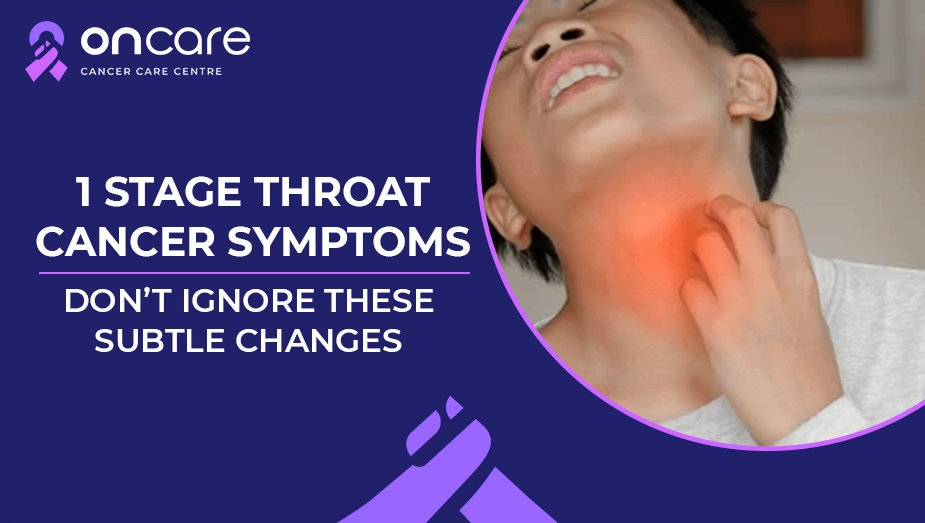
You might think that throat cancer only happens to other people, but it can happen to anyone. People often ignore early signs because they don't seem like a big deal or are harmless. But it's very important to catch first stage throat cancer symptoms early. Early detection makes treatment more effective and raises the chances of a full recovery. It's important not to ignore any strange changes in your throat, voice, or swallowing habits. Knowing the early signs of throat cancer can save lives.
What You Need to Know About First Stage Throat Cancer
First-stage throat cancer means that the cancerous cells are only in a small part of the throat and have not spread to other parts of the body. Cancer can start in either the pharynx or the larynx, which are both parts of the throat. At first, the first stage throat cancer symptoms are often mild and can be confused with other common illnesses like a cold or a throat infection. This is why a lot of people put off going to the doctor. The first step towards getting treatment early is to notice these small changes.
Sore Throat That Won't Go Away
Most of us get sore throats from time to time, usually because of allergies or infections. But if your sore throat doesn't get better after a few weeks, it could be a sign of throat cancer. A sore throat that is caused by cancer does not go away with home remedies or over-the-counter drugs like regular throat pain does. The pain may also feel deeper and sometimes move to the ears or jaw. Persistent sore throat is one of the most common first stage throat cancer symptoms.
Changes in Voice
A change in your voice is one of the first signs of throat cancer. This is especially true if the cancer affects the larynx, which is where the vocal cords are. You might notice that your voice is hoarse, weak, or raspy, or that it suddenly changes pitch. At first, these changes may come and go, but over time, they become more permanent. If you don't pay attention to a change in your voice for weeks, it could take longer to get a diagnosis and treatment. Voice changes are a key example of early first stage throat cancer symptoms.
Swallowing Problems
Dysphagia, or trouble swallowing, can be another subtle sign of throat cancer in its early stages. At first, you might feel like food or drink is stuck in your throat, or you might have a little trouble swallowing. This symptom often gets worse over time, which makes it easy to ignore. But if you have trouble swallowing that doesn't go away, you should see a doctor. Difficulty swallowing is one of the warning first stage throat cancer symptoms to watch for.
Weight Loss for No Reason
For a lot of reasons, losing weight without trying is scary. One of them could be early throat cancer. Cancer cells use up energy quickly, which can cause you to lose weight without meaning to. Also, having trouble swallowing can make you lose your appetite, which can lead to weight loss. If you notice weight changes that you can't explain along with other throat-related symptoms, you should definitely see a doctor. Unexplained weight loss is another important first stage throat cancer symptom.
A Cough That Won't Go Away or Blood in the Cough
Another sign that something is wrong is a cough that doesn't go away after a few weeks. Some people might even see blood in their cough. This could also be caused by infections, but you shouldn't ignore it if the cough doesn't go away or gets worse. Medical tests can help find out if the cause is throat cancer or another serious illness if they are done early. A persistent cough is considered one of the first stage throat cancer symptoms.
Swelling or Lumps in the Neck
Sometimes, throat cancer can make the neck swell or form lumps. These may show up close to the lymph nodes and are usually not painful at first. People often ignore these lumps because they think they are not dangerous. But if you have a lump in your neck that doesn't go away after a couple of weeks, you should always see a doctor. Lumps are among the subtle first stage throat cancer symptoms that need attention.
Pain in the Ear
It's interesting that throat cancer can sometimes show up as ear pain that doesn't have a clear cause. This happens because the nerves in the throat are linked to the ears, and pain can spread. This pain may not come with other common symptoms of ear infections, like fever or discharge. If you have ear pain that doesn't go away or is out of the ordinary, you should see a doctor right away. Unexplained ear pain can also be an early first stage throat cancer symptom.
Feeling Tired and Weak in General
Early-stage throat cancer can also make you feel tired or weak for no apparent reason. Cancer changes how the body processes food and fights off infections, which makes people tired even when they rest. Fatigue can have many causes, but if it comes with other throat-related symptoms, you should see a doctor. Fatigue is another subtle but important first stage throat cancer symptom.
Things to Think About When It Comes to Risk
Anyone can get throat cancer, but some things make it more likely. Among the most important causes are smoking and drinking too much alcohol. Throat cancer has also been linked to the human papillomavirus (HPV) infection. Age, a bad diet, and being around harmful chemicals can all make the risk even higher. Knowing about these things can help you keep an eye out for early first stage throat cancer symptoms.
Why It's Important to Find Things Early
This is why early detection is so important: the first stage throat cancer symptoms are very hard to spot. The sooner cancer is found, the better the chances of getting better and getting treatment. Even when symptoms are mild, tests like endoscopy, imaging scans, and biopsy can show that cancer is present. Getting medical help right away makes sure that treatment options stay less invasive and more effective.
What to Do About First-Stage Throat Cancer
The treatment for first-stage throat cancer depends on where the tumor is and how big it is. Surgery to remove the cancerous cells, radiation therapy to target the affected area, and sometimes a mix of both are all common ways to treat cancer. Doctors can use precise treatments that have fewer side effects and keep the quality of life when they find cancer early. Choosing a cancer hospital that specialises in the disease means you can get the best care and the most advanced techniques.
Changes in Lifestyle That Help Recovery
Certain changes to your lifestyle can help you get better and stay healthy, along with medical treatment. It is very important to stop smoking and drink less alcohol. Eating a balanced diet full of fruits and vegetables helps the immune system get stronger. It's also important to get enough sleep, exercise regularly, and learn how to deal with stress. Lifestyle changes alone cannot cure cancer, but they can make medical treatment work much better.
Emotional Effects and Help
Getting a diagnosis of throat cancer, even at an early stage, can be hard on the mind. It's normal to feel anxious, scared, and unsure. Getting help from family, friends, or professional counsellors can make a big difference. A lot of hospitals have programs to help patients deal with the emotional and mental parts of cancer treatment. These programs include counselling and support groups.
Regular Check-Ups and Watching
It is important to keep going to the doctor even after treatment has worked. Follow-up visits help keep an eye on recovery and catch any relapses early. To make sure everything stays on track, your doctor may suggest regular scans, throat exams, and blood tests. Taking care of follow-up care is an important part of managing your health over the long term.
Consult Today
In its early stages, throat cancer may show first stage throat cancer symptoms that are easy to miss, but knowing what to look for can save your life. If you have a sore throat that won't go away, your voice changes, you have trouble swallowing, you lose weight for no reason, you cough, you have lumps in your neck, you have ear pain, or you feel tired all the time, these are all signs that you should see a doctor right away.
Finding cancer early and getting treatment right away greatly improves the chances of a good outcome. A trusted cancer hospital can provide the best treatment options. Oncare Cancer Hospital is the best place for people with throat cancer to get the best care because it has expert doctors, cutting-edge treatments, and caring staff.
Why Oncare: Listen to Our Patients
Frequently Asked Questions
Early signs are often mild and look like common illnesses like a sore throat or cold, so it can go unnoticed for weeks or even months.
Most cases are not passed down directly, but having a family history of the disease can slightly raise the risk, especially when combined with other risk factors.
Even though they can't guarantee that you won't get sick, quitting smoking, drinking less alcohol, and eating a healthy diet all lower your risk a lot.
Yes, if caught early, first-stage throat cancer can be cured with the right treatment and follow-up care.
Book an Appointment
Related Blogs
How Rakesh Roshan Defeated Throat Cancer with Determination
Discover more about Rakesh Roshan’s recovery from throat cancer and the importance of emotional support from your loved ones and family—lessons from his treatment journey!
How to Check for Throat Cancer at Home: Early Signs You Shouldn’t Ignore
Discover more about how to identify the early signs of Throat cancer at home, and its symptoms and risk factors and how to prevent throat cancer and when to consult a doctor!
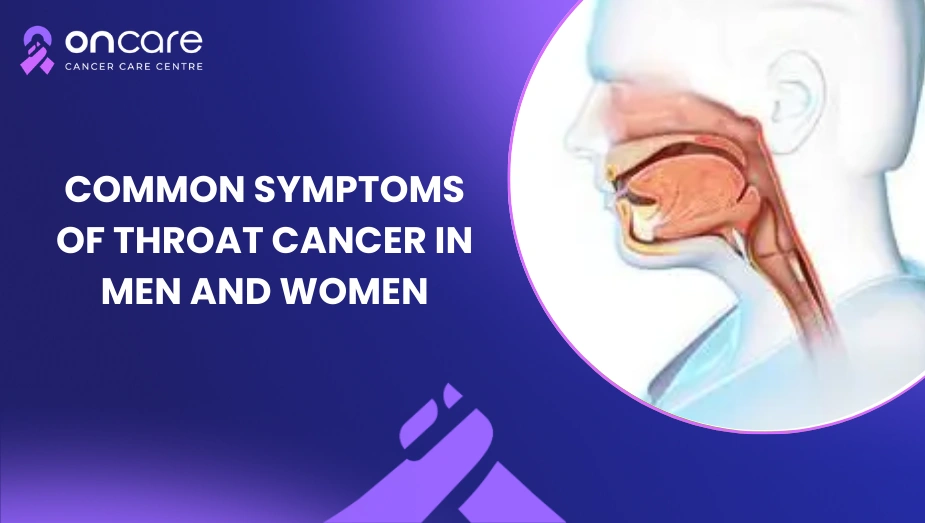
Common Symptoms of Throat Cancer in Men and Women
Throat cancer symptoms—learn early signs, diagnosis, and treatment options. Don’t ignore persistent throat pain or voice changes. Get expert care at Oncare.

Throat Cancer Diagnosis in Men vs. Women: Key Differences
Discover more about the key differences in throat cancer diagnosis in men vs. women and why men are at higher risk of developing throat cancer while compared to women!