Table of Contents
When the Patient is Elderly: Special Caregiving Tips for Senior Cancer Patients

By Dr. Gajendra Kumar Himanshu


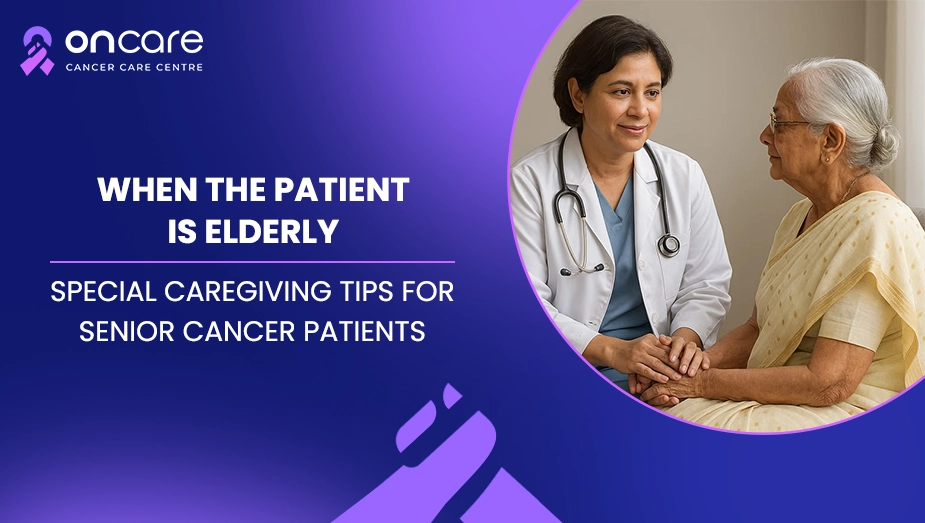
Caring for an elderly cancer patient often requires additional attention because older adults may already be managing age-related health conditions, limited mobility, weaker immunity or emotional isolation. Cancer treatment may affect older patients more physically and emotionally, influencing their strength, appetite, memory and overall well-being.
While cancer treatment remains the primary focus, caregivers should also prioritize comfort, dignity, safety and emotional support throughout recovery. Elderly patients may require help with daily activities, medicine management, transportation, nutrition and emotional reassurance during treatment.
At the same time, caregivers should encourage independence whenever possible so older patients continue feeling respected and emotionally confident. In this article, we will discuss practical caregiving tips for elderly cancer patients, including physical care, emotional support, nutrition, safety and ways to improve comfort during long-term treatment.
Understanding the Unique Challenges Elderly Cancer Patients Face During Treatment
As people age, their bodies may respond differently to cancer treatment. Natural aging processes may affect healing, energy levels and overall physical strength. Many elderly patients may already have medical conditions such as diabetes, arthritis, heart disease or memory-related concerns, which can make cancer treatment more demanding.
In addition to physical health concerns, elderly patients may also experience emotional difficulties such as loneliness, fear of treatment outcomes or frustration caused by reduced independence.
Caregivers should understand that emotional reassurance is just as important as physical care during cancer treatment for older adults.
Recognizing the Physical and Emotional Needs of Elderly Cancer Patients
Elderly patients may require personalized support depending on their mobility, health conditions and emotional comfort levels.
Common Needs of Elderly Cancer Patients and Caregiver Support
Common Need | How Caregivers Can Help |
|---|---|
Reduced physical strength | Assist with walking and daily activities |
Medicine management | Maintain organized medication schedules |
Loss of appetite | Provide small and nutritious meals |
Emotional loneliness | Spend time and encourage meaningful conversations |
Risk of falls | Create a safe and clutter-free home environment |
Maintaining Proper Nutrition and Hydration During Cancer Treatment
Nutrition plays an important role in helping elderly cancer patients maintain strength and recover more comfortably during treatment. However, older adults may experience reduced appetite, difficulty chewing, nausea or digestive discomfort because of chemotherapy or age-related conditions.
Caregivers should prepare soft, balanced and easy-to-digest meals that provide proper nutrition without causing discomfort. According to the National Library of Medicine, proper nutrition and hydration are important for maintaining strength and supporting recovery during illness and medical treatment.
Daily Nutrition and Caregiving Tips for Elderly Patients
These small caregiving steps may improve comfort and reduce treatment-related complications in elderly patients:
- Offer smaller meals throughout the day
- Encourage proper hydration
- Avoid spicy or difficult-to-digest foods
- Monitor weight loss and weakness regularly
- Organize meals and medicines properly
Creating a Safe and Comfortable Home Environment
As treatment progresses, elderly cancer patients may become physically weaker, increasing the risk of falls, injuries and exhaustion. A safe home environment may help older patients move comfortably and maintain confidence during recovery.
Caregivers should ensure walking areas remain clutter-free and properly lit. Bathrooms may require support handles or non-slip mats for additional safety. Comfortable sleeping arrangements and easy access to medicines, water and emergency contacts may also reduce stress and improve comfort.
Supporting Mobility Without Removing Independence Completely
Although elderly patients may require assistance, caregivers should avoid making them feel completely dependent whenever possible. Light movement such as short walks or participation in small daily activities may help maintain confidence and emotional well-being.
Respectful support and encouraging independence may help create a healthier emotional balance during long-term treatment.
Supporting Emotional Health and Reducing Loneliness During Treatment
Elderly cancer patients may sometimes feel emotionally isolated, especially when they cannot participate in social activities or maintain normal routines. Emotional loneliness may affect mental health and recovery.
Caregivers should encourage emotional connection through conversations, family visits and simple daily interactions. Quiet and meaningful time together may provide emotional comfort during difficult treatment periods.
Communicating With Patience and Emotional Sensitivity
Older patients may require additional time to process medical information or express emotional concerns during treatment. Caregivers should communicate slowly, clearly and patiently while encouraging questions and emotional expression.
Supportive communication may help elderly patients feel respected, emotionally secure and included throughout the cancer journey.
Consult Today
Caring for an elderly cancer patient requires patience, emotional understanding and attention to both medical and age-related needs. Older adults may need additional support with nutrition, mobility, emotional health and daily comfort during treatment.
By creating a safe environment, encouraging healthy routines and providing compassionate emotional support, caregivers may significantly improve the quality of life for elderly cancer patients during recovery.
For families seeking compassionate cancer care and patient-centered treatment support, Oncare Cancer Hospital is known for providing advanced cancer treatment and supportive healthcare services throughout the cancer journey.





Frequently Asked Questions
Elderly patients may have weaker immunity, limited mobility and additional health conditions that require extra care during treatment.
Providing small, nutritious meals and encouraging hydration may help elderly patients maintain strength during treatment.
Emotional support may help reduce loneliness, anxiety and emotional stress during long-term cancer treatment.
Removing clutter, improving lighting and adding safety support features may help reduce the risk of falls and injuries.
Written and Verified by:
Dr. Gajendra Kumar Himanshu Exp: 10 Yr
Medical Officer
Book an Appointment
Related Blogs
Caring for Cancer Patients at Home: A Complete Guide
Learn practical tips for caring for cancer patients at home, including diet, hygiene, and emotional support. Get expert guidance from Oncare Cancer Hospital.

How to Stop Vomiting in Cancer Patients: Causes and Solutions
Learn why vomiting happens during cancer treatment, how to manage it safely, and when to seek help. Get expert, supportive care at Oncare Cancer Hospital.

Yoga Asanas Safe for Cancer Patients: A Practitioner's Guide
Learn safe yoga asanas, breathing exercises, and wellness tips for cancer patients during recovery with expert guidance from Oncare Cancer Hospital.