Table of Contents
Chemotherapy for Breast Cancer: What to Expect and How It Works

By Dr. Gajendra Kumar Himanshu


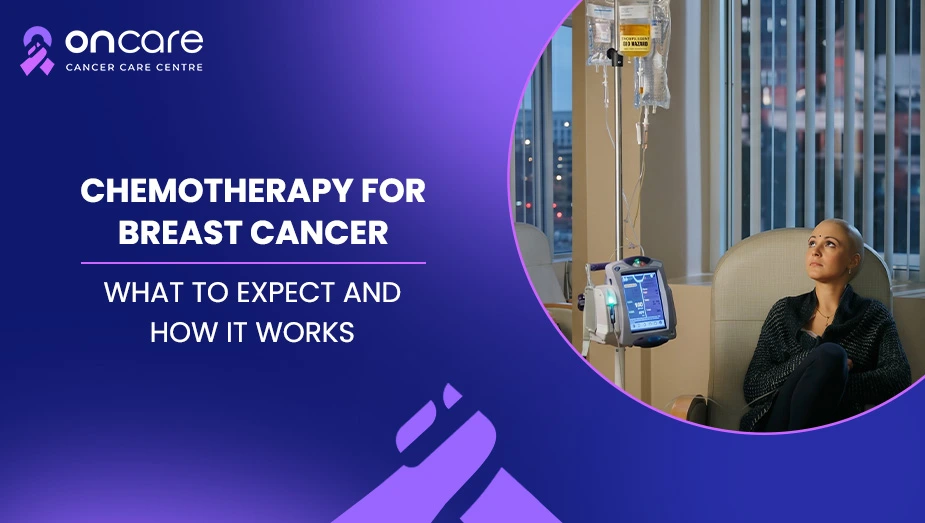
When you hear the word "chemotherapy," it might be hard to take in, especially when it's connected to breast cancer. Your mind starts to race with questions. How will it be? Is it going to hurt? How long will it be? It's perfectly normal to have these worries.
Chemotherapy is one of the most popular and successful ways to treat breast cancer. It works by going after cancer cells and stopping them from developing or spreading. The process may seem scary at first, but knowing how it works and what to expect can help you feel more in control of the situation.
We'll talk about how chemotherapy works and when it is used for breast cancer in very simple terms in this blog.
What Is Chemotherapy?
Chemotherapy is a way to treat cancer by using strong medications to kill cancer cells. These medications go through the blood, so they can get to cancer cells practically anywhere in the body.
How Chemotherapy Works
Cancer cells develop and multiply a lot faster than normal cells. Chemotherapy attacks these cells that divide quickly and makes it harder for them to multiply. Because of this, cancer cells either stop growing or die.
Some healthy cells, such as those in hair follicles and the digestive system, also divide quickly, which is why side effects might happen.
When Is Chemotherapy Used to Treat Breast Cancer?
Depending on the type and stage of breast cancer, as well as the patient's overall condition, doctors may suggest chemotherapy. You may find more information on how to treat breast cancer on trusted government sites like the National Cancer Institute (NCI) breast cancer treatment page.
Common Scenarios
1. Before the Surgery (Neoadjuvant Chemotherapy)
- Makes surgery easier by shrinking tumors
- Helps doctors figure out how cancer reacts to therapy
2. After the Surgery (Adjuvant Chemotherapy)
- Destroys all the cancer cells that are still there
- Lowers the chance of cancer coming back
3. Breast Cancer That Has Spread or Gotten Worse
- Keeps cancer from spreading
- Eases symptoms and makes life better.
What to Expect When You Get Chemotherapy
Knowing how the treatment works will help you feel less anxious and get ready psychologically and physically.
Cycles of Treatment
Chemotherapy is given in rounds. Cycles can last anywhere from two to three weeks and go on for months. Every cycle has:
- A session of treatment
- A break to let the body heal
How It Is Given
There are many ways to provide chemotherapy:
- Intravenous (IV) infusion (the most common)
- Tablets to take by mouth
- Shots
Chemotherapy Drugs That Are Often Used for Breast Cancer
Here's a quick look at some of the most prevalent drugs. Doctors often give these medications together to make them work better.
Common Breast Cancer Chemotherapy Drugs
Type of Drug | Examples | Goal |
|---|---|---|
Anthracyclines | Epirubicin and Doxorubicin | Kill cancer cells that proliferate quickly |
Taxanes | Docetaxel, Paclitaxel | Stop dividing cells |
Alkylating Agents | Cyclophosphamide | Hurt the DNA of cancer cells |
Antimetabolites | Fluorouracil | Stop cancer from growing |
Chemotherapy Side Effects
The side effects are different for each person. Some people have modest symptoms, while others may notice bigger alterations.
Side Effects That Happen a Lot
1. Tiredness
You can still feel fatigued even after getting some rest. One of the most common impacts is this.
2. Losing Hair
A few weeks after treatment starts, hair loss normally starts, but it doesn't last long.
3. Feeling Sick and Throwing Up
New medicines work well to control these symptoms.
4. A Weaker Immune System
Chemotherapy can diminish the number of white blood cells, which makes it easier for infections to happen.
5. Changes in Appetite
You might not feel hungry, or the food might taste odd.
Handling Side Effects
There are a lot of things you may do to deal with the side effects of chemotherapy and feel better. Getting help from family, friends, or support groups can also make a major impact on how you feel.
Useful Advice
- Throughout the day, eat small, well-balanced meals.
- Drink enough water
- Get adequate sleep, but also do some light exercise, like walking.
- To avoid getting sick, keep yourself clean.
- Tell your doctor about your symptoms in an open way.
Mental and Emotional Health
Chemotherapy is hard on your body, but it can also impair your mood. Don't forget that it's okay to seek help.
Ways to Deal
- Learn how to relax by doing things like meditating or deep breathing.
- Stay in touch with people you care about.
- If you need it, get expert counseling.
- During treatment, pay attention to the minor, good things that happen.
Life While Getting Chemotherapy
During treatment, a lot of people keep doing some of the things they do every day, although they may need to make changes.
Things to Remember
- Plan things to do on treatment days
- Stay away from busy locations while your immune system is weak.
- To keep track of your symptoms, keep a therapy journal.
- Do exactly what your doctor says
Consult Today
Chemotherapy is a strong and successful treatment for breast cancer that has helped millions of women fight the disease. The journey might be hard, but knowing what to expect and getting ready for it can make a big difference.
Everyone's experience with chemotherapy is different, but with the correct medical care, emotional support, and self-care, it is possible to get through it with courage and hope. Oncare Cancer Hospital is known for delivering compassionate and thorough cancer care for people who want expert care and sophisticated treatment alternatives.





Frequently Asked Questions
The treatment itself doesn't normally hurt, but some of the adverse effects can.
It usually lasts between three and six months, depending on the treatment regimen.
Yes, hair normally starts to grow back when therapy is over.
Many people keep working; it depends on how your body reacts to the treatment.
Written and Verified by:
Dr. Gajendra Kumar Himanshu Exp: 10 Yr
Medical Officer
Book an Appointment
Related Blogs
Chemotherapy vs Immunotherapy vs Radiation Therapy: Understanding the Differences
Compare chemotherapy, immunotherapy, and radiation therapy, including benefits, side effects, and treatment options at Oncare Hospital with expert cancer care.
Heart Health During Chemotherapy: Cardio-Oncology Explained
Learn how chemotherapy may affect heart health, common warning signs, and the role of cardio-oncology in cancer care with expert support from Oncare Cancer Hospital.