

Symptoms of cervical cancer may include an unusual vaginal bleeding, pelvic pain, vaginal discharge, pain during intercourse, and changes in urination or bowel movements. Early cervical cancer often has no symptoms of development, which is why regular screening is important.
Women may miss these symptoms because they may look like problems associated with menstrual disorders, vaginal infections, and other gynecological problems. In addition to this, HPV vaccination and regular screening can prevent most cervical cancers.
In the following blog, we are going to discuss symptoms of cervical cancer, its risk factors and how to prevent it.
What Is Cervical Cancer?
Cervical cancer refers to the cancerous tumor in the cervix, the lower, narrow part of the womb (uterus) that opens into the vagina.
The development of this cancer is related to the alteration and multiplication of healthy cervical cells. Most cases of cervical cancer are caused by long-term infection with high-risk HPV strains. While the human body can eliminate many HPV infections, some infections persist for an extensive period of time and start affecting the cervix in such a way that cancer starts developing from them.
Not all the changes will lead to cervical cancer; however, the condition could worsen without proper medical attention. The disease is not exclusive to a particular age group and therefore calls for cervical cancer awareness, immunization against the HPV virus, and regular testing.
What Are the Common Cervical Cancer Symptoms?
In the early stages of cervical cancer, there might be no obvious signs. As it grows, these signs may appear. Do not ignore them, especially if they are new to you.
1. Unusual Vaginal Bleeding
Unusual vaginal bleeding is the most common symptom of cervical cancer. The bleeding may occur when it is not supposed to do so, even after menopause. The following are some of the symptoms:
- Bleeding or spotting in between menstrual periods.
- Heavy and long menstrual periods.
- Bleeding after sexual intercourse.
- Vaginal bleeding after menopause.
While there are various non-cancerous reasons that could result in such symptoms, all instances of unusual bleeding must be reported to the gynaecologist.
2. Pelvic or Abdominal Discomfort
Continuous pain in the lower abdominal region or in the pelvis can arise due to the spread of the cervical cancer into neighboring tissue. Symptoms women could experience are:
- Constant pain in the pelvis.
- Discomfort that does not fit the normal menstrual pattern.
- Discomfort spreading to the lower abdomen.
The intensity levels can vary, but any pain that keeps occurring without any reason should be medically checked.
3. Abnormal Vaginal Discharge
Changes in the vaginal discharge can happen during the presence of cervical cancer especially when it is already at an advanced stage. Some of the warning signs are:
- Excessive water-like discharge that has an unpleasant odor.
- Fluid with brown spots or with traces of blood between periods.
- Increased vaginal discharge.
- Changes in consistency and appearance.
Vaginal infections and other conditions can also cause these changes. However, further medical examinations will help diagnose the cause.
4. Pain During Sex (Dyspareunia)
Another symptom of concern is persistent pain or discomfort during sexual intercourse. The reason may be inflammation of the abnormal cervical cells or tumour and its effects on adjacent areas. The following could cause pain during sexual intercourse:
- Cervical or vaginal inflammation.
- Genital tract infection.
- Abnormal changes of adjacent tissues because of tumour development.
Pain during sexual intercourse does not necessarily mean cancer. However, it should be checked by a doctor.
5. Pain During Urination or Bowel Movements
If the disorder affects the neighboring organs, such as the bladder or the rectum, then you can feel some pain while passing urine and stool. Some of the signs that one may experience include:
- Burning feeling during urination.
- Bladder or rectal pain or discomfort.
- Painful bowel movements.
These symptoms may be connected with urinary tract infection, digestive issues, and other diseases.
6. Fatigue and Unexplained Weight Loss
While the disorder progresses, it may start to influence a woman’s eating habits, energy levels, and overall health. There may be some changes in women’s bodies, these changes can include:
- Weight loss without any change in diet or exercise routine.
- Ongoing tiredness, even after rest
- Loss of appetite or low stamina.
There are several reasons behind such signs, which could be investigated by a physician if there is no apparent cause for them.
7. Swelling of the Legs
The development of swelling of one leg or both could happen at later stages of the disease due to blockage of blood or lymph fluid circulation caused by a tumour or affected lymph nodes. Others signs of cervical cancer may include:
- Heavy feeling in the affected leg
- Pain during walking.
- Swelling in the lower part of the leg or ankle.
Unusual leg swelling needs urgent medical attention, especially if it is accompanied by other symptoms.
8. Lower Back Pain
There could be constant lower back pain due to cervical cancer involving the nearby body parts, nerves, and pelvic organs. Be cautious if you have:
- Constant pain which doesn’t stop even on resting.
- Pain radiating to your hips or legs.
- Back pain together with vaginal bleeding or pelvis pressure.
Back pain is a common symptom, usually associated with musculoskeletal disorders. The reason for its appearance needs to be identified, especially in case of additional symptoms.
Cervical Cancer Symptoms: A Quick Overview
The table below sums up the common symptoms and what you should do.
Symptoms | What You May Notice | What to Do |
|---|---|---|
Unusual vaginal bleeding | Spotting between periods or bleeding after intercourse | Consult a gynaecologist |
Pelvic pain | Recurring discomfort in the lower abdomen | Get a medical evaluation |
Abnormal vaginal discharge | Watery, brownish, or unpleasant-smelling discharge | Seek medical advice |
Pain during sex | Discomfort or pain during intercourse | Discuss it with your doctor |
Urination or bowel changes | Pain or difficulty while passing urine or stool | Get the underlying cause checked |
Fatigue and weight loss | Unexplained tiredness or weight changes | Consult a healthcare professional |
Leg swelling | Swelling or heaviness in one or both legs | Seek prompt medical attention |
Lower back pain | Persistent discomfort around the lower back or hips | Arrange a medical assessment |
What Are the Different Types of Cervical Cancer?
There are several types of cervical cancer depending on the kind of cells where the disease develops. The recognition of the type helps the specialists to know how the tumor will act and choose a proper treatment method. The major types include:
- Squamous Cell Carcinoma: It is the most widespread type of cervical cancer. It starts developing in the thin and flat squamous cells that cover the external surface of the cervix. Usually it appears in the transformation zone, where the external and internal cervical tissue merge.
- Adenocarcinoma: It is the type of cancer that starts in the glandular cells of the cervical canal. These cells produce fluids such as mucus. It develops deep inside the cervix and may be hard to diagnose by visual examination.
- Adenosquamous Carcinoma: It is a rare type of cancer that includes features of squamous cell carcinoma and adenocarcinoma.
Despite the different location of these cancers, high-risk HPV infection plays an important role in the majority of cases of this disease. Biopsy will help in recognizing the type of the cancer and planning further treatment.
What Factors Increase the Risk of Cervical Cancer?
Persistent HPV infection is the key factor behind cervical cancer; however, other health issues and behaviors may affect the persistence of the virus and the development of cells. Knowledge about such contributory factors will allow women to consult a health specialist regarding their risk of the disease. Some of the contributory factors are as follows:
Compromised immune system: Infection with HIV or taking drugs that interfere with the immune response may lead to the inability to cope with persistent infections with HPV. It may result in the development of abnormal cervical cells.
Prolonged use of oral contraceptives: Long-term use of birth control pills has been linked to a higher risk in women with infection by HPV. Discuss your own risk with your doctor
Multiple full-term pregnancies: Multiple full-term pregnancies have been found to be associated with the increased risk of cervical cancer, especially in women with HPV infection.
Exposure to tobacco smoke: Cigarette smoke chemicals can influence the functioning of cervical cells and impact how the body regulates changes caused by the human papillomavirus. Both smoking and passive smoking need to be considered here.
Presence of cervical abnormalities in the past: If a woman had any precancerous cervical alterations in the past, her risk to develop this condition is higher, since some of the abnormalities can reappear.
Early sexual activity or multiple sexual partners: Engaging in sexual intercourse early in life or having more than one sex partner will make a person more vulnerable to HPV infection, which causes cervical cancer.
Possessing one or several of the factors described above does not guarantee the development of cervical cancer.. On the other hand, a patient may be diagnosed with cervical cancer even if she does not have any of the mentioned risk factors. Also, patients must gain knowledge on what cervical cancer is, the risk factors and how it develops are important for early detection and appropriate treatment.
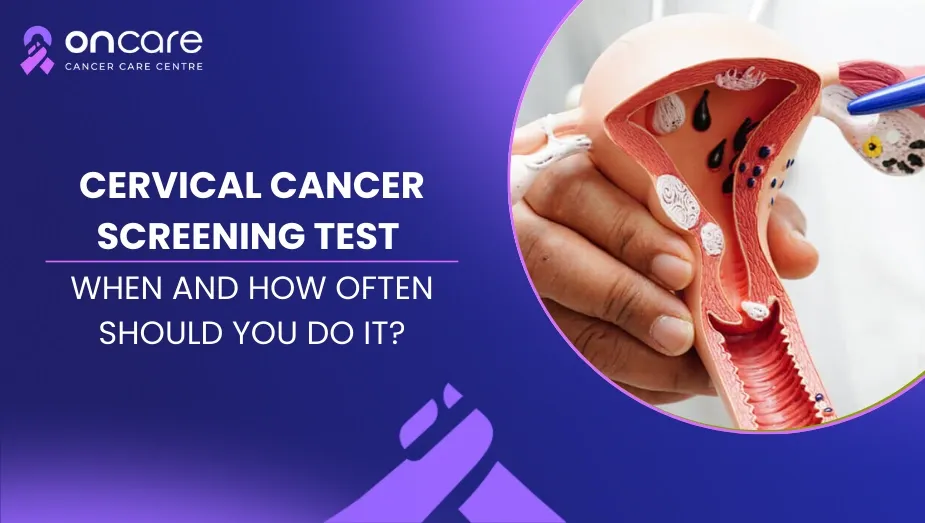
How Does Cervical Cancer Screening Work?
Cervical cancer screening test aims at detecting the presence of the high-risk HPV infection and abnormal cervical cells before cancer formation. Contrary to the diagnostic tests, which are conducted after the patient develops the symptoms, screenings can detect problems in those women who consider themselves healthy. Doctors use two main tests to conduct these tests:
Pap smear test: In this case, a healthcare specialist takes a cervical cell sample by using a small brush or other device. This cell sample is further studied in the laboratory.
HPV DNA test: This test analyses the cervical cell sample taken by the doctor for the presence of high-risk HPV types that cause cancer. The detection of this virus does not necessarily imply the cancer presence.
The choice between these tests will depend upon local clinical guidelines, age and particular conditions.
An irregular test result does not necessarily mean having cervical cancer. Sometimes, it is a sign of a viral infection that is temporary, or a change in cells which must be examined more thoroughly. Some women only need a repeat test, while others might require further investigation.
There is a difference between screening schedules in various countries. That is why it is necessary to talk to a gynecologist regarding the right age, type of tests and frequency of screening.
What Are the Different Stages of Cervical Cancer?
The cervical cancer progresses or spreads at different rates among women. To know how far the disease has progressed from its presence in the cervix to other organs in the body, medical experts use a staging system that helps identify the extent of cancer and guide appropriate treatment decisions. The classification is mainly composed of four stages:
Stage I – At this stage, the cancer cells have not spread out of the cervix. Some tumors are so tiny that they cannot be seen without using a microscope; others can form a mass that is visible.
Stage II - The cancer has started to spread to tissues outside the cervix, and it may spread to the upper part of the vagina or the tissues around the cervix. It has not spread to the pelvic wall or the lower third of the vagina.
Stage III – The cancer may involve the lower part of the vagina, pelvic wall, or nearby lymph nodes. Sometimes, the tumor can block the urinary system and cause problems with the kidneys.
Stage IV – At this stage, the cancer can extend to the lining of the bladder or rectum. If it has spread outside the pelvis, then distant organs such as the lungs, liver, or bones may get involved.
The staging helps the doctors get an idea about the spread of cervical cancer, which is further utilized for choosing the right treatment options. There are other factors that come into consideration during treatment planning, such as tumor size and the health of the patient.
How Is Cervical Cancer Diagnosed?
When screening or clinical examinations are suggestive of abnormality, the patient may be referred for further tests to establish the presence of abnormal cells and their nature as being cancerous. Diagnosis of cervical cancer entails examining the cervix and determining the extent of disease. Some of the typical tests include:
Pelvic Examination: It involves the examination of the cervix, vagina, and nearby reproductive organs in order to detect any abnormalities in the tissues.
Colposcopy: This requires the use of a magnifying tool referred to as colposcope in examining the cervix in detail. Special solutions are used in order to identify any areas that require examination.
Biopsy of the Cervix: Tissue samples from the suspicious area are taken and then examined under a microscope in order to check for any cancerous cells.
Tests using imaging techniques: These include ultrasound, MRI, CT scan, and PET-CT in determining the size of the tumour and the spread of the tumour in the organs.
Not every patient needs all these tests. It will depend on the results of previous tests, clinical examination, and the extent of the disease. Once diagnosed, your doctor will explain the type and stage of the cancer.
What Treatment Options Are Available for Cervical Cancer?
The treatment of cervical cancer is based on its staging, tumor features, general health status, and fertility considerations. Based on the analysis of the diagnostic results, experts develop a strategy for the management of cervical cancer that includes control of the disease and its potential side effects. Some of the possible management strategies are:
Surgery: Some surgical methods can be suggested for some patients with early stages of the disease. Depending on the progression of the disease, different parts can be removed including abnormal cervical cells, a part of the cervix, or the entire uterus.
Radiation therapy: This method of treatment includes the use of high-energy radiation in order to kill cancer cells or inhibit their proliferation. The treatment can be external or internal (brachytherapy).
Chemotherapy: In the process of chemotherapy, certain medications are applied to destroy cancer cells and inhibit their growth. This treatment can also be used in combination with radiation therapy.
Targeted Therapies: There are some drugs that affect the processes of certain biological pathways involved in maintaining cancer cells' life. Such treatment can be prescribed for some advanced or recurrent cases.
Immunotherapy: There are medications that enable the immune system to recognize and eliminate cancer cells. This treatment depends on the features of the tumor and previous treatment attempts.
The described types of treatment may not be required for all patients. Some patients will require only surgery, while other ones will need a combination of radiation and drugs. The choice of the treatment may affect a woman's reproductive capacity, periods, fertility, and sexual ability. Also, cervical cancer staging allows the physician to determine the severity of the cancer in order to develop the most suitable treatment plan for the particular stage of the cancer.
How to Prevent Cervical Cancer?
Most cervical cancers are due to the infection with a high-risk strain of HPV virus. Not all cases are preventable; however, vaccinations and screenings could help avoid the disease. Here are some preventive measures:
Get HPV vaccination: The vaccine protects against the HPV types that cause most cervical cancers. Talk to your doctor regarding your eligibility and dosages.
Go through cervical screening: The cervical screening includes the Pap smear and HPV test which can find any changes in the cervical cells and the presence of high-risk strains of HPV.
Practice safe sex: Condoms lower the risk of HPV infection, but they do not fully protect against it.
Stop smoking: Smoking is associated with a higher risk of cervical cancer.
Follow the guidelines provided by your doctor: In case you have abnormal results, you need to take additional tests.
Be aware of any warning symptoms: Visit the healthcare professional if you have any unusual bleeding, discharge, or pelvic pain.
Getting vaccinated against HPV doesn't substitute screenings. The correct type of screening and its frequency depend on several criteria including age and others.
When Should You Consult a Doctor?
In case of concerns about your cervical health, visit the gynecologist to learn whether you need additional tests. Your doctor will most probably ask you some questions concerning your periods, previous screening results, vaccination against HPV, and other unusual symptoms you may have noticed.
See a doctor if you have bleeding after sex, bleeding between periods or after menopause, unusual discharge, or ongoing pelvic pain. Based on your medical background, the specialist might suggest performing a pelvic exam, taking a Pap smear test, checking for HPV, or doing a colposcopy. In case an abnormality is found, some other tests will be helpful in establishing the necessity of treatment.
Therefore, discussing your medical background and performing tests will help your doctors make the right decisions.
Consult Today
Cervical cancer is one of the most treatable cancers when found early. HPV vaccination and regular screening can lower the risk. Knowing the symptoms helps you see a doctor early. Always stay informed and try to schedule regular cancer screenings; never ignore any types of unusual changes in the body.
At Oncare, you can get expert cancer care and advanced treatments at affordable costs. Get a consultation today!
If you or any loved ones of yours are diagnosed with cancer, then visit Oncare Cancer Hospital and book an appointment with our cancer specialist today. Get an estimated cost of your cancer treatments today!
Disclaimer
This article is meant to serve as a general educational guide and is not to be interpreted as medical advice. Cervical cancer symptoms and treatment needs may differ from one individual to another. Please seek guidance from a competent health care provider.
Frequently Asked Questions
1. Is cervical cancer always caused by HPV?
Almost all cervical cancers are caused by long-lasting infection with high-risk HPV. But most HPV infections clear on their own and never cause cancer.
2. Can cervical cancer come back?
Yes. Cervical cancer can come back in some individuals. However, regular follow-ups aid in checking on the patient's progress.
3. Can cervical cancer be treated?
Yes. There are various treatment options, which include surgery, radiation therapy, chemotherapy, targeted therapy, and immunotherapy. The choice depends on the stage of the cancer.