Table of Contents
Cancer and Blood Clots (DVT and Pulmonary Embolism): Risks and Prevention

By Dr. Gajendra Kumar Himanshu


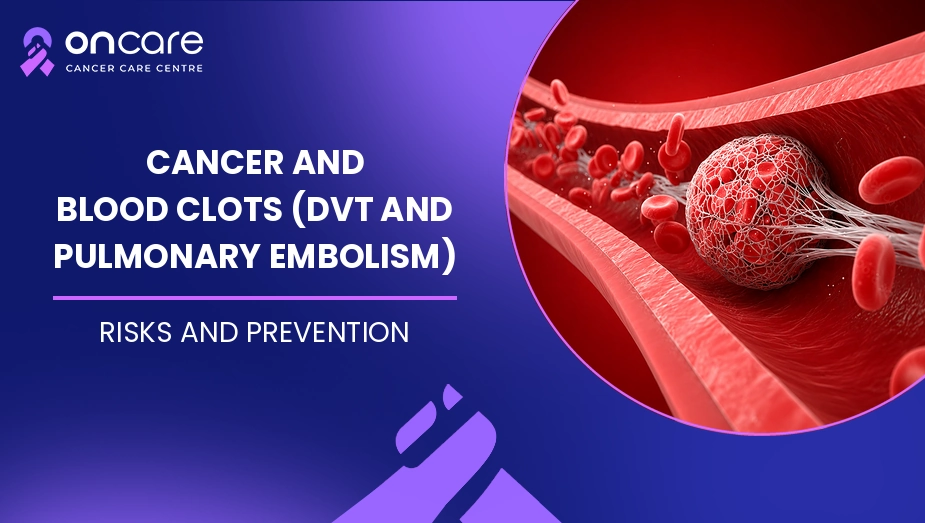
Cancer is strongly related to blood clots because cancer and some cancer treatments can increase the likelihood of the body developing clots. These clots can occur in the deep veins of the legs (deep vein thrombosis, or DVT) or travel to the lungs (pulmonary embolism, or PE). Early identification, preventive actions, and timely treatment can greatly decrease problems and increase patient safety.
In this blog, we'll discuss the connection between cancer and an increased risk of blood clots, the warning signals of DVT and pulmonary embolism, who is at most risk, treatment choices available, and practical measures to reduce the risk of developing these potentially dangerous consequences during cancer therapy.
Why You Should Know About Cancer and Blood Clots
Blood clots are one of the most common and dangerous consequences for people living with cancer. Many people worry about treating the cancer itself but may not realize a clot might become a medical emergency if it prevents blood supply to important organs.
Deep vein thrombosis (DVT) is a blood clot that originates in a deep vein, usually in the leg or pelvis. A piece of the clot could break off and migrate to the lungs, causing a pulmonary embolism (PE). This can affect breathing and could be life-threatening if not treated.
Early recognition of symptoms and knowledge of the hazards can help patients and caregivers seek medical attention before major consequences arise.
Why Does Cancer Raise the Risk of Blood Clots?
Cancer may interfere with the body's regular blood-clotting mechanism in a number of ways. Some tumors contain chemicals that make blood more likely to clot, and inflammation produced by cancer also promotes clotting activity.
Cancer therapies can also increase the risk. These are:
- Chemotherapy
- Targeted treatment
- Hormone therapies
- Cancer, major surgery
- Extended hospitalization
- Not exercising
- Central venous catheters (ports or PICC lines)
When the cancer is being treated, the risk is often highest, but depending on the person, it can last after therapy is over.
Who Is at Higher Risk of Blood Clots?
Anyone with cancer can develop a clot, although certain patients are at more risk than others.
Factors that enhance the chance are:
- Advanced stage cancer
- Pancreatic, brain, stomach, lung, or ovarian malignancies
- Previous history of clotting
- Overweight
- Old age
- Tobacco use
- Prolonged immobilization or forced rest
- Recently had surgery
- Some hereditary blood clotting disorders
Doctors typically look at these risk factors before starting therapy to see if preventive medication would be beneficial.
Signs of Deep Vein Thrombosis (DVT)
DVT normally occurs in one leg, but can occur in either leg or, less commonly, in the arms.
Typical symptoms include:
- Swelling in a leg
- Pain or discomfort, particularly in the calf
- Warmth of the skin in the afflicted area
- Redness or discolouration
- A sense of heaviness in the leg
Not all patients have evident symptoms; therefore, regular medical follow-up is crucial.
Signs and Symptoms of Pulmonary Embolism (PE)
Pulmonary embolism needs urgent emergency treatment since it may impact the oxygen supply to the body.
Warning indicators are:
- Sudden difficulty breathing
- Chest discomfort that is sharp and exacerbated with deep breathing
- Heart rate went up
- Coughing occasionally with blood
- Dizziness or lightheadedness
Anyone with these symptoms should seek emergency medical care immediately.
How Is a Blood Clot Diagnosed?
Doctors confirm a diagnosis via a mix of a clinical examination and imaging studies.
Test | Objective |
|---|---|
Doppler sonography | Detects blood clots in the veins of the legs |
CT Pulmonary Angiogram | Detection of Blood Clots in Lungs |
Blood Tests | Support diagnosis and holistic health assessment |
Physical Examination | Assesses symptoms and circulation |
Early diagnosis means therapy can start before issues become more serious.
Management of Thromboembolism in Cancer Patients
The main treatment for DVT and pulmonary embolism is a class of drugs called anticoagulants, or blood thinners. These drugs stop existing clots from growing larger and prevent new clots from developing.
Doctors may suggest, depending on the type of malignancy, the condition of the kidney, the danger of bleeding, and the patient's overall health:
Anti-Coagulant Drugs
Low molecular weight heparin or the newer oral anticoagulants are frequently employed. Duration of treatment depends on the patient's condition.
Treatment of the Underlying Cancer
Effective treatment of cancer may also decrease the body's propensity to develop new blood clots over time.
Look for Bleeding
Blood thinners increase the risk of bleeding; thus, it is vital to have regular follow-up sessions to ensure therapy is safe and effective.
Prevention of Blood Clots
You can't avoid every blood clot, but there are things you can do to minimize your risk.
How can patients help?
- Being as physically active as feasible
- Drink lots of fluids unless your doctor tells you not to
- Moving around frequently when sitting for a long time
- Take prescribed blood thinner therapy if recommended
- Routine check-ups
- Report any new swelling, pain, or breathing issues immediately
After significant cancer surgery or during periods of increased risk during treatment, doctors may prescribe prophylactic anticoagulant medicine.
When Should You See Your Doctor?
Call a doctor or get medical help right away if you have:
- One leg suddenly swollen
- More leg discomfort or redness
- Chest pain
- Sudden breathlessness
- Blood spitting
- Fainting or marked dizziness
Treatment in time can be a lifesaver.
If you want to read more about cancer treatment, then you can visit the National Cancer Institute.
Consult Today
If you are suffering from cancer and experience symptoms like swelling in the legs, unexplained pain, or sudden breathlessness, it is recommended that you see the oncology specialists at Oncare Cancer Hospital. Early diagnosis and treatment can prevent serious consequences and enable safer cancer treatment.
Disclaimer
The information contained in this article is for educational purposes only and is not intended to serve as a substitute for professional medical advice, diagnosis, or treatment. If you develop signs of a blood clot or have any concerns regarding your cancer treatment, get evaluated promptly by a trained health care provider.





Frequently Asked Questions
Cancer can stimulate the body's clotting mechanism. Treatments such as chemotherapy, surgery, and prolonged inactivity might further raise risk.
Yes. Your doctor can suggest blood-thinning medication, early mobility following surgery, fluids, and regular monitoring according to your unique risk.
Yes. If left untreated, a clot can migrate to the lungs and produce a pulmonary embolism, which is a medical emergency that requires quick care.
The treatment depends on the type of malignancy, location of the clot, and the general condition of the patient. Some people need to take anticoagulants for months or longer under physician supervision.
Written and Verified by:
Dr. Gajendra Kumar Himanshu Exp: 10 Yr
Medical Officer
Book an Appointment
Related Blogs
Oligometastatic Cancer: When Limited Spread Changes the Plan
What oligometastatic cancer is, how it differs from widespread metastatic disease, the scans used to diagnose it, how local and systemic treatment are combined, and which patients may benefit from a more aggressive approach.

Recovery After Pancreatic Cancer Surgery (Whipple): A Home Care Guide
What recovery looks like in the first weeks after a Whipple procedure, the digestive and appetite changes to expect, nutrition and wound care at home, how to rebuild activity safely, and when to call your care team.
Drugs Used in Mouth Cancer Treatment: Chemo and Targeted Options
How chemotherapy and targeted therapy are used in mouth cancer treatment, which drugs are commonly given, the side effects to expect, and how doctors decide which approach suits a patient.
Tobacco Cessation Programs in India: Free Helplines and Support Resources
Explore tobacco cessation programs, free quitlines, counseling services, and support resources in India to help you quit tobacco with guidance from Oncare Hospital.