Table of Contents
Back Cancer Symptoms: How to Know If It’s More Than Back Pain

By Prashant Baghel


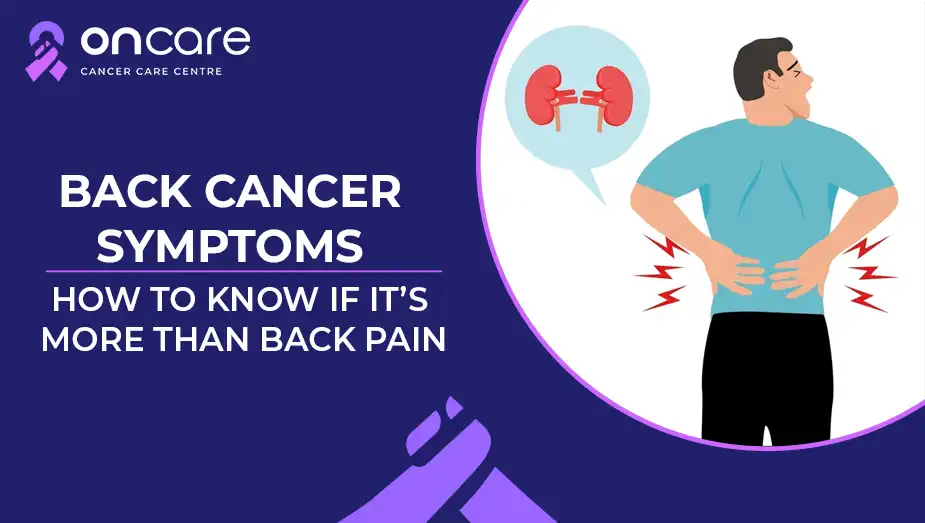
A lot of people have back pain at some point in their lives. It can happen after lifting something heavy, sleeping in the wrong position, or sitting for a long time. Most people don't think of it as a big deal because it's so common. But sometimes, back pain means something else is going on. This is why it's important to know the signs of back cancer symptoms. If you know the difference between normal back pain and warning signs, you can get medical help at the right time.
This article will help you learn more about your body and what to do if something doesn't feel right in a simple, friendly way. Understanding back cancer symptoms can help you stay safe and informed.
Getting to Know Back Cancer
Most of the time, back cancer doesn't start in the back. It usually happens when cancer from another part of the body spreads to the spine. Cancer can sometimes grow right in the bones, nerves, or tissues of the back. Cancer in the spine can cause very specific types of pain and discomfort because it has a lot of nerves and supports the whole body. These problems are often linked with back cancer symptoms.
Even though the symptoms can be scary, having back pain doesn't mean you have cancer. Pain can be caused by a lot of things that aren't dangerous. The important thing is to pay attention to when the pain feels different or strange for you.
There are some back cancer symptoms:
When Back Pain Feels Different
Back pain that isn't too bad usually comes and goes. It might get better if you rest, stretch gently, or put heat on it. But pain from cancer might feel different. It might not get better even after you rest. You might also feel it in places you don't expect, like your ribs, hips, or legs. These feelings are often included in back cancer symptoms.
Pain from cancer can get worse over time. Some people say it feels like a deep, throbbing pain that isn't like anything else they've felt before. The main point is that this kind of pain is different from normal muscle pain.
Pain That Gets Worse at Night
Pain that gets worse at night is one of the most obvious signs of back cancer. A lot of people say that lying down makes the pain worse. Resting usually helps normal back pain, but it may make cancer-related pain worse. If you find that your back hurts the most at night, you should tell your doctor. Pain at night can also be one of the strongest back cancer symptoms.
Tingling, numbness, or weakness
Your spine protects the nerves that send signals to all parts of your body. Cancer that grows in or near the spine can put pressure on these nerves. This pressure can make your arms or legs feel numb, tingly, or weak. When you try to hold something, your hands may feel different or your legs may not feel as strong as they used to. These are common back cancer symptoms in many people.
These feelings happen because the nerves aren't working right. People may also have trouble walking steadily or may lose their balance more easily at times. At first, these changes may not be very noticeable, but they will become more so over time.
Pain That Moves to Other Parts
Cancer-related pain is different from normal back pain in that it often spreads. The pain could move down your legs, into your buttocks, or around your chest. This happens when the tumor puts pressure on the nerve paths that lead to those areas. It might be a big sign if the pain starts to move in ways it never did before. This spreading pain can be part of back cancer symptoms.
Changes in how you use the bathroom or bladder
When the spinal cord is damaged, it can make it hard for the body to control how the bladder and bowels work. Some people have trouble urinating, lose control, or have constipation that doesn't feel right. These signs can also happen for several other medical reasons, but when they happen with constant back pain, they may mean something more serious.
Unexplained Weight Loss and Fatigue
Cancer doesn't just affect the area where it grows; it can also affect the whole body. A lot of people with back cancer symptoms notice that they are losing weight without even trying. Even after getting enough sleep, they might still feel tired all the time. This kind of tiredness is not the same as being tired all the time. It feels heavy and like it's always there.
If someone loses weight and feels tired for no reason, it doesn't mean they have cancer, but it does mean their body is under stress and needs to see a doctor.
Fever That Comes and Goes
Some people who have back cancer may get a fever for no apparent reason. It can come and go for days or weeks at a time. Because fever usually makes us think of infections, this can be hard to understand. But the body sometimes raises its temperature in response to cancer.
If you have a fever and back pain that lasts for a long time, you should tell your doctor so they can check it out.
A bump or swelling in the back
Sometimes, you can feel a lump or swelling on your back. At first, it might not hurt, but it can get worse over time. If you see or feel something strange on your back, you should get it checked out. Not everyone with back cancer will notice a lump, but it can still be a part of back cancer symptoms.
When to Go to the Doctor
If your back pain doesn't go away after a few weeks or keeps getting worse, you should think about seeing a doctor. If you feel numb, weak, or have changes in your bowel or bladder habits, or if you lose weight for no reason, you should also see a doctor.
Doctors use tests and scans to figure out if the pain has a simple cause or needs special treatment. Keep in mind that a lot of people with long-term back pain don't have cancer. However, getting checked out early can put your mind at ease and give you the best chance of getting treatment if something serious is found.
Why it's important to find things early
If you find cancer early, treatment will be easier and more likely to work. Cancer can spread quickly through the spine because there are so many nerves and blood vessels there. Early treatment can stop nerve damage, lessen pain, and keep movement safe. Even if the cause isn't cancer, getting treatment early can help you avoid long-term problems and make your health better overall.
Consult Today
Back pain is common, but some signs can help you tell when it might be more than just everyday pain. You should never ignore symptoms like pain that doesn't get better, pain at night, numbness, weakness, or changes in how your body works. If you're ever not sure about your symptoms, it's always best to talk to a doctor to get some clarity and peace of mind.
Oncare Cancer Hospital is the best and most trusted place to get cancer care. They offer expert diagnosis, advanced treatment, and caring support to help you get the care you need.
Frequently Asked Questions
No, most back pain is caused by simple things like straining a muscle. There are many possible causes, and cancer is just one of them.
One of the most common signs is pain that doesn't go away with rest.
The kind and stage of cancer will determine how it is treated. Finding it early gives you more treatment options.
If the pain keeps coming back or feels strange, you should still see a doctor.
Book an Appointment
Related Blogs
How to Recognize Stage 1 Colon Cancer Symptoms Early
Learn the early stage 1 colon cancer symptoms in simple words. Understand small but important changes in your body so you can act early and protect your health.
Lung Cancer Symptoms in Women: From Persistent Cough to Fatigue
Discover more about lung cancer symptoms in women, why these symptoms show up in women differently, from persistent cough to fatigue, and when to consult a doctor!
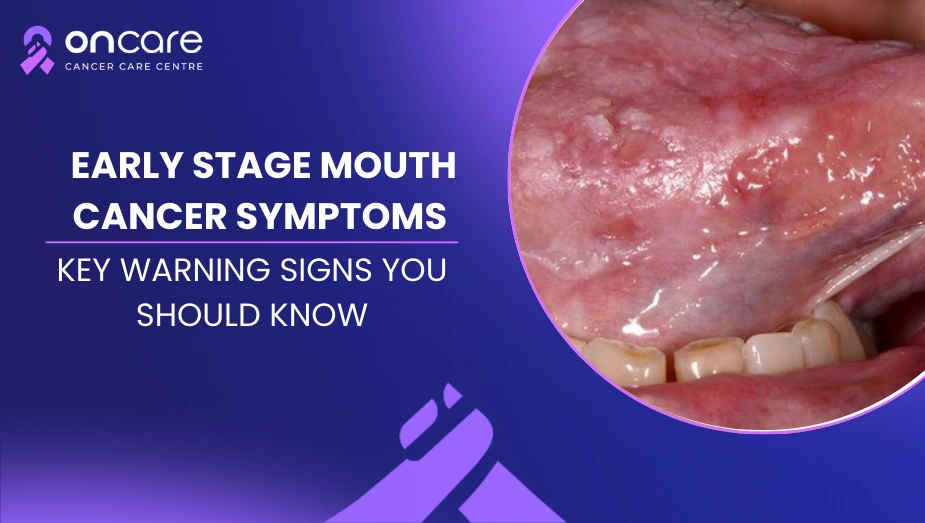
Early Stage Mouth Cancer Symptoms: Key Warning Signs You Should Know
Mouth cancer symptoms like sores, pain, lumps, or bleeding should never be ignored. Early detection saves lives—get expert diagnosis and care at Oncare today.
Breast Cancer Symptoms: How to Recognize the Warning Signs Early
Breast cancer symptoms—learn early signs like lumps, pain, nipple or skin changes. Don’t ignore them. Get timely expert diagnosis and care at Oncare today.