Table of Contents
Are All Neck Lumps Cancerous? Causes and When to Worry

By Dr. Gajendra Kumar Himanshu



No, not all neck lumps are cancerous. Many are caused by swollen lymph nodes from infections, thyroid enlargement, cysts or other non-cancerous conditions. However, a neck lump that is hard, fixed, growing, painless or remains for more than two weeks should be medically evaluated, particularly in adults. Early assessment helps identify serious conditions at a stage when treatment can be more effective.
In this blog, we discuss neck lumps, their common causes and the signs that should not be ignored. We explain when a lump is more likely to be related to an infection, when it may need further investigation, what tests doctors may recommend and when it is important to consult an ENT or cancer specialist.
Why It Is Important to Understand Neck Lumps
Finding a lump in the neck can naturally cause anxiety, especially when people immediately associate it with cancer. In reality, neck lumps have many possible causes, and infections are a common reason for swollen lymph nodes. These glands can become enlarged when the body is fighting conditions such as a cold, tonsillitis or another throat infection.
At the same time, a persistent neck lump should not simply be ignored. In adults, a neck mass that remains for two weeks or longer without an obvious infectious cause can be a sign that further evaluation is needed.
What Are the Common Causes of a Neck Lump?
There are several possible reasons for a lump or swelling, and the cause cannot reliably be determined just by touching it.
Swollen Lymph Nodes
Swollen lymph nodes are among the most common causes of lumps on the sides of the neck. They often become tender or painful during infections and usually settle as the underlying illness improves. Viral infections, sore throats, tonsillitis and ear infections can all cause lymph-node swelling.
When the swelling does not improve, continues to grow or occurs without other signs of infection, it should be checked by a doctor.
Thyroid Swelling and Nodules
A lump at the front or lower part of the neck may arise from the thyroid gland. Thyroid nodules and goitre are often non-cancerous, but some thyroid cancers can also present as a neck lump. A thyroid cancer lump may be hard, slowly enlarging and painless, although these features alone cannot establish a diagnosis.
Cysts and Other Benign Lumps
Skin cysts can occur around the neck and are usually harmless. They may feel smooth or round underneath the skin and can become painful or red if infected. Other benign growths can also produce a visible or palpable lump.
Lymphoma and Other Cancers
Sometimes a persistent, painless neck lump can be caused by lymphoma or a cancer that has spread to lymph nodes in the neck. Non-Hodgkin lymphoma, for example, commonly causes painless swelling in the neck, although this symptom can also occur with many non-cancerous conditions.
When Should You Worry About a Neck Lump?
Certain features make a neck lump more concerning and justify medical evaluation.
The Lump Lasts More Than Two Weeks
A neck lump that does not go away after two weeks, particularly when there is no clear infection, should be assessed by a healthcare professional. Persistent masses in adults require attention because an underlying cancer sometimes presents this way.
The Lump Is Hard or Fixed
A lump that feels firm or does not move easily under the skin can be more concerning than a soft, mobile swelling. However, the consistency of a lump alone cannot determine whether it is cancerous.
The Lump Is Getting Bigger
Progressive enlargement is another reason to seek medical advice. A growing lump may have many causes, but it should not be left unevaluated.
You Have Swallowing or Breathing Problems
Difficulty swallowing or breathing alongside a neck swelling needs prompt medical attention. Thyroid swelling and enlarged lymph nodes can sometimes cause pressure symptoms, while other conditions affecting the neck may also interfere with the airway or swallowing.
What Other Symptoms May Occur With a Concerning Neck Lump?
A neck lump becomes more important to investigate when it occurs with other persistent symptoms. These can include unexplained weight loss, night sweats, persistent hoarseness, an ongoing sore throat, difficulty swallowing or a cough that does not settle. Such symptoms are not proof of cancer, but they deserve proper assessment.
How Are Neck Lumps Diagnosed?
The first step is usually a clinical examination. The doctor may ask when the lump appeared, whether it has changed in size, whether it is painful, and whether you have recently had an infection. You can also learn more about warning signs to watch for in our blog on early signs of throat cancer.
Investigations may include an ultrasound, CT scan or MRI, depending on the findings. If the cause is unclear or if cancer needs to be ruled out, a fine needle aspiration cytology (FNAC) may also be recommended. The type of test depends on the location, size, appearance and other characteristics of the lump.
Should Every Neck Lump Be Checked by a Cancer Specialist?
Not necessarily. Many neck lumps are caused by infections or benign conditions and can be evaluated first by a general physician or ENT specialist. However, persistent, unexplained or suspicious lumps may require assessment by an ENT specialist, a head and neck surgeon or an oncology team.
The important point is not to assume that a lump is either harmless or cancerous based only on how it feels.
For more information regarding head and neck cancer, visit the National Cancer Institute.
Consult Today
If you have a new or persistent neck lump, especially one that is growing, hard, painless or has remained for more than two weeks, getting it evaluated can provide clarity and prevent unnecessary worry. At Oncare Cancer Hospital, patients can discuss persistent neck lumps and related symptoms with the appropriate specialist team and receive guidance on the investigations or treatment that may be needed.
Disclaimer
This blog is for educational purposes only and does not replace professional medical advice, diagnosis or treatment. A neck lump needs individual evaluation to determine its cause. Consult a qualified doctor for personalized advice.





Frequently Asked Questions
No. Most neck lumps are not cancerous and can result from swollen lymph nodes, infections, thyroid conditions, cysts or other benign causes. However, persistent or suspicious lumps should be evaluated by a doctor.
Swollen lymph nodes caused by infections often improve within one to two weeks. If the swelling continues, becomes larger, feels hard or occurs without signs of infection, medical assessment is recommended.
You should seek medical evaluation if a lump lasts more than two weeks, continues growing, feels hard or fixed, or is associated with symptoms such as difficulty swallowing, breathing problems, persistent hoarseness or unexplained weight loss.
Yes, some thyroid cancers present as a neck lump, but many thyroid nodules are benign. A new or enlarging thyroid lump should be assessed, particularly when accompanied by persistent hoarseness, swallowing difficulty or breathing problems.
Written and Verified by:
Dr. Gajendra Kumar Himanshu Exp: 10 Yr
Medical Officer
Book an Appointment
Related Blogs

CAR-T Cell Therapy in India: Eligibility, Process and Cost in 2026
CAR-T Cell Therapy in India is a highly advanced immunotherapy that involves the collection of a patient's own T cells, genetically modifying them to recognise cancer cells and infusion back into the body. In 2026, it is used largely for selected relapsed or refractory blood malignancies, including certain B-cell lymphomas and acute lymphoblastic leukaemias.
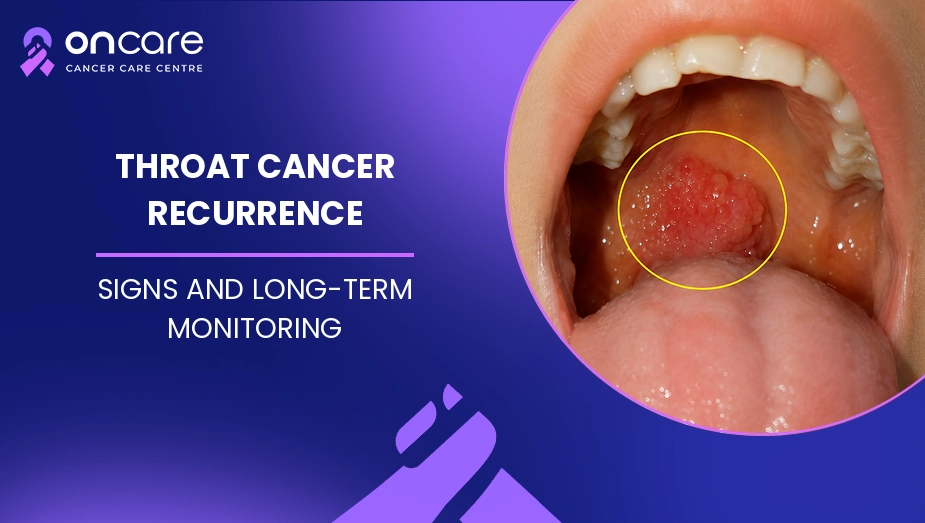
Throat Cancer Recurrence: Signs and Long-Term Monitoring
What throat cancer recurrence means, why it happens, the signs that need medical attention, the tests used during long-term monitoring, and how to look after your emotional well-being between appointments.

Living With a Stoma After Cancer Surgery: Daily Care and Confidence
Learn how to care for a stoma after cancer surgery, manage daily life, build confidence, support recovery, and improve comfort with Oncare Cancer Hospital.