Table of Contents
What Is the TCH Protocol? Uses and Cancers Treated Explained

By Raveena M Prakash


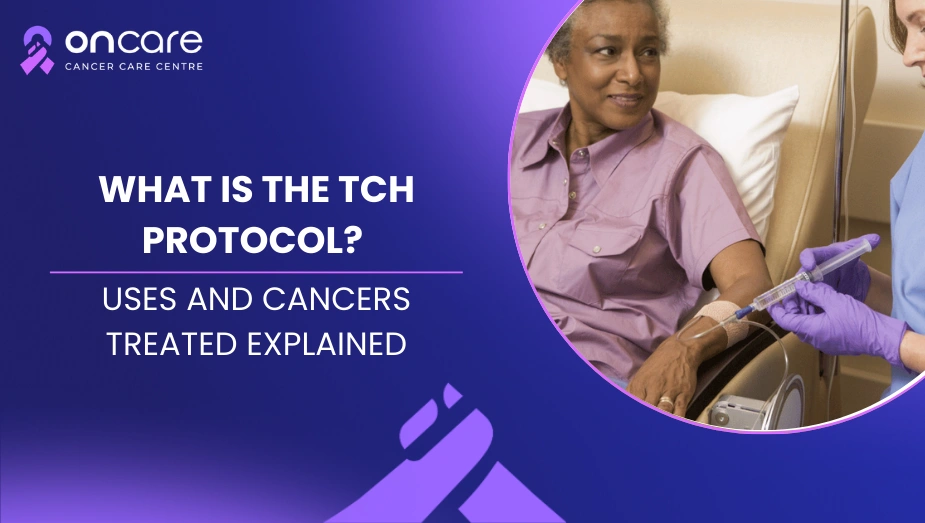
Cancer treatment has evolved significantly over the years, with a combination of chemotherapy protocols helping to improve survival rates and reduce the risk of recurrence in cancer patients. One of the commonly used treatment regimens is the TCH protocol. This type of advanced cancer treatment is often used in breast cancer and is known for its effectiveness and structured treatment approach.
In this article, we’ll discover more about what the TCH protocol is, how it works, its uses, and the types of cancer it treats.
What is the TCH Protocol?
The TCH Protocol is a major combination of chemotherapy regimen that includes three effective medications, including:
- T: Docetaxel
- C:Carboplatin
- H:Trastuzumab
This cancer medicine combination is commonly used to treat HER-2 positive breast cancer, which is a type of breast cancer that tends to overexpresses the HER2 protein, often leading to more aggressive tumor growth in patients.
The TCH regimen is often considered as a targeted and chemotherapy based approach because it combines traditional chemotherapy drugs with targeted therapy (trastuzumab)
Understanding the medications in TCH Protocol
Here are some of the major medications used in the TCH protocol, including:
- Docetaxel (Taxotere): These medications are drugs that are often used for chemotherapy and it works by preventing the cancer cells from dividing and multiplying. These medications belong to the class of drugs called taxanes.
- Carboplatin: These medications are platinum-based chemotherapy agents. This helps to damage the DNA of cancer cells, preventing them from growing and spreading.
- Trastuzumab (Herceptin): Trastuzumab is a targeted therapy that specifically attacks the HER2 positive breast cancer cells. It helps to block signals that promote tumor growth and helps the immune system to destroy cancer cells.
The combination of these specific cancer drugs helps to make the TCH Protocol highly effective for specific breast cancer types.
What cancers are treated with the TCH protocol
Many healthcare providers suggest that TCH protocols are commonly used in treating cancers such as:
- An early-stage HER2-positive breast cancer
- Locally advanced breast cancer
- Metastatic breast cancer
HER2-positive breast cancer tends to grow more quickly, but targeted therapy like trastuzumab has significantly improved the treatment outcomes.
When is the TCH protocol is used
The TCH regimen may be given in different treatment settings, these may include:
- Neoadjuvant Therapy (Before surgery): TCH may be used before the surgery to shrink the tumor. This can increase the chances of breast conserving surgery and to assess how well the tumor starts to respond to cancer treatments.
- Adjuvant Therapy (After surgery): After completing the surgical removal, TCH may be given to eliminate any remaining type of cancer cells, and reduce the risk of cancer recurrence in patients.
- Advanced or metastatic breast cancer: In certain advanced cases, The TCH protocol may be given part of the systemic treatments to control the cancer progression.
How is the TCH Protocol delivered?
The TCH protocol often delivers typically in cycles in the cancer patients, usually given every three weeks.
A common treatment schedule may include:
- 6 cycles of docetaxel and carboplatin.
- Trastuzumab often given along with chemotherapy and continued to for approximately an year.
The exact duration of treatment and its dosing majorly depends on the stage of cancer and patient’s overall health.
Who is a candidate for these treatments?
There are some cancer patients who are suitable for performing the TCH protocol, including those who:
- Confirmed HER-2 positive breast cancer
- Adequate heart function
- Good overall performance status
The cancer treatments are always personalized based on tumor characteristics, stage, and the patient's overall health conditions.
Importance of monitoring during TCH treatment
Regular monitoring performed during the TCH treatments, including:
- Blood tests
- Cardiac function tests
- Imaging scans to assess treatment performance
Close medical supervision makes sure that side effects are managed immediately and treatment remains effective in most patients.
Benefits of TCH Protocol
Here are some of the benefits of performing TCH protocol in cancer patients, including:
- Effective for HER2- positive breast cancer
- Combines chemotherapy with targeted therapy
- Improves survival rates
- Reduces the risk of cancer recurrence
This often avoids the use of anthracyclines, lowering certain heart-related risks in patients. The use of these regimens is often considered as the standard care in many HER-2 breast cancer cases.
Possible side effects
Many experts suggests that like all cancer treatments, The TCH protocol might cause several side effects, including:
- Fatigue
- Nausea and vomiting
- Hair loss
- Low blood cells
- Increased the risk of infection
- Peripheral neuropathy
- Temporal changes in heart situations (due to trastuzumab)
An oncologist might monitor patients closely during the cancer treatment, especially heart functions to ensure safety of the cancer patients.
Consult Today
The TCH protocol is an advanced type of chemotherapy and targeted therapy treatment combination used primarily for the treatment of HER2-positive breast cancer. A healthcare provider helps to combine docetaxel, carboplatin, and trastuzumab, which offers a powerful and structured treatment approach to reducing tumor growth and preventing the risk of cancer recurrence in patients. While these types of cancer treatments can cause side effects, careful monitoring and supportive care which can manage them effectively.
At Oncare, we offer premium-quality cancer treatments, including advanced cancer surgeries, at an affordable price range with an experienced cancer specialist consultation.
If you or any loved ones of yours are diagnosed with cancer, then visit Oncare Cancer Hospital and book an appointment with our experienced cancer specialist today! Get an estimated cost of your cancer treatments today!
Frequently Asked Questions
These are highly effective for HER2- positive breast cancer, and it combines chemotherapy with targeted therapy, and it also Improves survival rates and also reduces the risk of cancer recurrence.
The TCH protocol might cause several side effects, including fatigue, nausea and vomiting, hair loss, low blood cells, increased the risk of infection and peripheral neuropathy and also temporal changes in heart situations (due to trastuzumab)
Close medical supervision makes sure that side effects are managed immediately and treatment remains effective in most patients.
Book an Appointment
Related Blogs
Non-Small Cell Lung Cancer: Real Warning Signs to Watch
Learn more about non-small cell lung cancer and early warning signs to watch out for, who is at higher risk of developing these conditions, and when you should consult a doctor!

Common Cancer Symptoms in Men: Warning Signs to Watch
Discover more about the symptoms of cancer in men, why early diagnosis matters, how you can reduce the risk of cancer, and when you should consult a doctor!

Is an Itchy Neck a Sign of Cancer? Myths vs Reality
Wondering is an itchy neck a sign of cancer? Learn common causes, when to worry, and symptoms that may require medical evaluation. Understand true warning signs.

What Cancers Can Cause Itchy Skin? How Itching Could Indicate Underlying Cancer
Learn what cancer can cause itchy skin, why certain cancers trigger itching, how to tell harmless itching from serious symptoms, and when to see a doctor.