Table of Contents
What Is Targeted Therapy in Cancer and How Does It Work?

By Raveena M Prakash


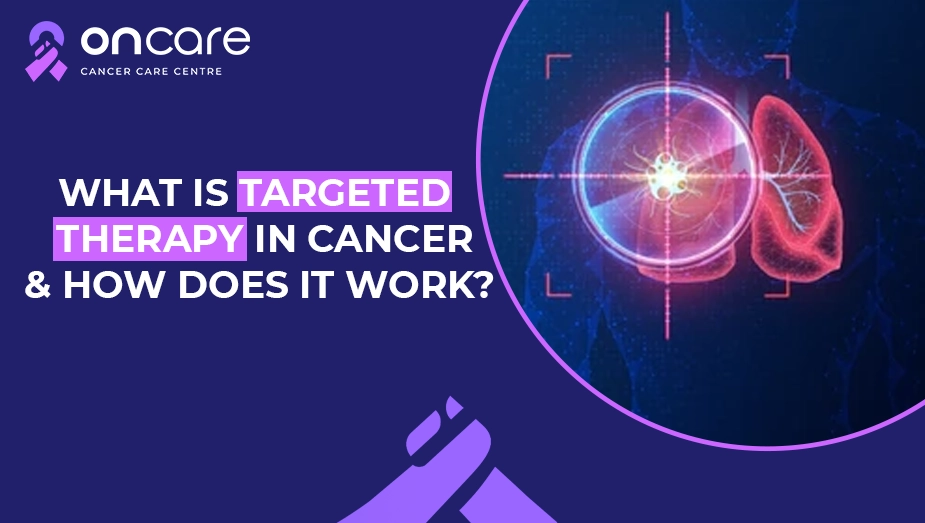
Cancer is one of the complex diseases across the world and its treatment has evolved greatly over the past few years. Earlier cancer treatment has mainly relied on standard treatments like surgery, chemotherapy, and radiation therapy. These cancer treatments are still important for treating cancer types effectively. With advances in cancer research and technology options, newer and more precise cancer treatment options have evolved.
In this article, we’ll discover more about targeted therapy in cancer and how it works, and its benefits and side effects, limitations and challenges!
What is Targeted Therapy?
Targeted therapy is an effective cancer treatment that uses specific drugs to specifically identify and destroy cancer cells based on their unique molecular characteristics. Some of these characteristics may include mutated genes, overexpressed proteins, or abnormal signaling pathways that are essential for cancer growth.
Unlike chemotherapy, which often affects both cancerous and healthy fast-growing cancer cells, targeted therapy aims to be more selective. This selectivity helps to reduce damage to normal cells, and often results in fewer side effects. Targeted therapy mainly depends on the individual characteristics of a patient's cancer, this is often described as a form of personalised or precision medicine.
How does Targeted therapy work?
Targeted therapy treatment works by interfering with specific processes that cancer cells depend on.
These cancer therapies can function in several different ways, including:
- Blocking cell growth signals: Cancer cells receive constant signals which instruct them to grow and divide. Some targeted drugs are used to block these types of signals and interfere with proteins known as growth factor receptors. These signals are blocked, cancer cells usually slow down to stop multiplying.
- Inhibiting angiogenesis: Tumors need a steady supply of oxygen and nutrients to grow; they achieve this by developing new blood vessels. This process is called angiogenesis. Several targeted therapies tend to block the vessel formation effectively, which results in starving the tumor and limiting its growth.
- Inducing cancer cell death: Normal cells have in-built mechanisms that cause them to die when they get damaged. Meanwhile, cancer cells often disable these types of mechanisms. Some targeted therapies reactivate these pathways, causing cancer cells to undergo a programmed cell death, also known as apoptosis.
- Enhancing the immune response: Some targeted therapies help the immune system to identify cancer cells more easily. By marking cancer cells or blocking their signals, which hide them from immune cells, these cancer therapies support the body’s natural defense system by destroying cancer.
- Delivering toxic substances directly to cancer cells: Several monoclonal antibodies are designed to attach to cancer cells and deliver toxic substances directly to them. This often allows the cancer cells to be destroyed while minimizing harm to healthy cells.
Types of Targeted Therapy
Targeted therapies can be broadly classified into two main types.
Small molecule drugs: These types of drugs are usually taken orally or pill form, these often appear small and can enter into cancer cells, and block specific proteins involved in cell growth and survival.
Monoclonal antibodies: These are lab made (proteins) antibodies given through intravenous injection (iv), they bind to specific targets on the surface of cancer cells and interfere with their function or mark them for destruction by the immune system.
Benefits of Targeted Therapy
Targeted therapy offers several important advantages over traditional cancer treatments, including:
- High precision in attacking cancer cells
- Comparatively reduced damage to normal and healthy cells
- Fewer or less severe side effects
- Improved quality of life for patients
- These treatments can be combined with other treatments such as surgery, chemotherapy and radiation therapy
For many cancer patients, targeted therapy has led to other better treatment outcomes and improved survival rates.
Side effects of Targeted Therapy
Targeted therapy is generally more selective and precise, but it can still cause more side effects. These treatments can vary depending on the drug and the patient’s overall health conditions.
These may include:
- Skin rashes and infection
- Fatigue and weakness
- High blood pressure
- Digestive issues
- Diarrhea and constipation
- Changes in liver function
The majority of the side effects of targeted therapy are manageable with medical care and are often less severe than those associated with chemotherapy.
Limitations and challenges
As we all know, Targeted therapy is not suitable for every cancer patient. Some of the challenges may include:
- Not all types of cancers have identifiable targets in them
- Cancer cells might develop resistance of over time
- Targeted therapy drugs are expensive in nature
- Regular testing is needed to monitor the treatment effectiveness in patients
In many cases, targeted therapy works best when used alongside other types of cancer treatment methods.
Who can receive Targeted Therapy?
Before starting targeted therapy in patients, oncologists usually perform biomarker testing or genetic testing on tumor samples. These screening tests help to determine whether the cancer has specific molecular targets needed for the cancer therapy to work. Only cancer patients who have targets are likely to benefit from targeted therapy treatments.
The future of Targeted Therapy
Cancer research is ongoing; many scientists have continuously discovered advanced treatment options to treat and cure cancer diseases. Advances in genetic testing and artificial intelligence have helped the doctors to design even more effective and personalized treatment plans. In the future, targeted therapy is expected to play an even greater role in treating cancer and improving the survival rate and reducing treatment-related side effects in patients.
Consult Today
Targeted therapy mainly represents major innovations in modern cancer treatment. By focusing on the specific molecular features of cancer cells, it offers a more precise and personalized approach when compared to traditional cancer therapies. While it's not a cure for all types of cancers, targeted therapy has significantly improved treatment outcomes for many cancer patients and continues to be an important and rapidly advancing treatment in oncology.
At Oncare, we offer premium-quality cancer treatments, including advanced cancer surgeries, at an affordable price range with an experienced cancer specialist consultation.
If you or any loved ones of yours are diagnosed with cancer, then visit Oncare Cancer Center and book an appointment with our cancer specialist today. Get an estimated cost of your cancer treatment today!
Frequently Asked Questions
Cancers include blood cancers, including multiple myeloma, acute leukemia, non-Hodgkin lymphoma, bone and soft tissue cancer, common digestive system cancers, female reproductive system cancer, and head and neck cancers.
Patients receive targeted therapies through a pill that can be swallowed or given through a shot, and it can be given through an IV.
The side of targeted therapies may include bleeding in your stomach intestines, blood clots, diarrhea, dry skin, increased liver enzymes, heart conditions, loss of hair, pulmonary fibrosis.
Book an Appointment
Related Blogs
Preventive Chemotherapy: A Step Toward Stopping Cancer Early
Discover more about preventive chemotherapy and who needs to undergo preventive chemotherapy, common types, and its benefits, challenges and considerations!
What Is the Success Rate of Radiation Therapy? Explained Simply
Wondering what is the success rate of radiation therapy? Learn how cancer type, stage, technology, and overall health affect outcomes, plus when radiation works best.
Targeted Therapy vs. Chemotherapy: Which Offers Better Outcomes?
Discover more about the key differences between Targeted therapy vs. chemotherapy, how targeted therapy and chemotherapy works, benefits and which works better?
How Much Does Targeted Therapy Cost in India? Breaking Down the Numbers
Learn more about targeted therapy costs and major factors affecting them in India. Discover the cost differences of targeted therapy between other cancer hospitals in India and Oncare Cancer Center!