
Treating cancer has become easier and more effective nowadays, with the support of advancements in cancer medicines. Currently, cancer patients have the right to choose personalized cancer treatment options more than ever before, while the most common cancer treatments are targeted therapy and chemotherapy.
If you're concerned with which treatment options are better for you, the answer is 'it depends! just like any other medicine. In this blog, we’ll discover more about the key differences, benefits, and limitations of each treatment approach.
What is Targeted Therapy?
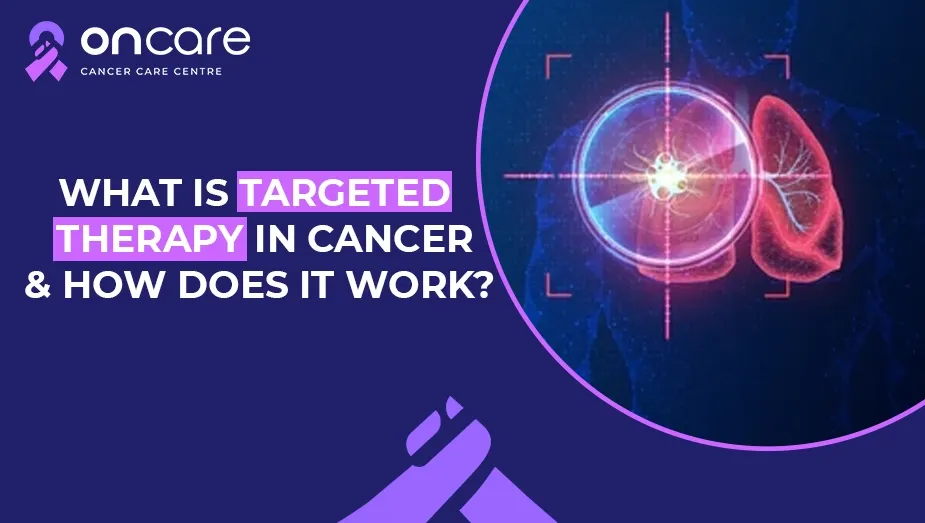
Targeted therapy is an effective cancer treatment that is usually used to target the genetic changes or mutations that often turn the healthy cells into cancer cells. These treatments are often newer and more precise for treating and managing any type of cancer in patients.
It often uses effective drugs to specifically identify and attack cancer cells, usually by targeting a specific gene mutation or protein involved in the cancer’s growth.
How does Targeted Therapy Work?
Targeted therapy drugs are designed in such a way to find and attack specific molecular targets such as proteins and genes that are highly essential for the growth of cancer cells.
- Targeted therapies help to identify and attack some specific molecules and genes, including HER2 and EGFR. These molecules are usually found in the cancer cells to reduce the growth. It also helps to minimize the damage to healthy cells.
- These drugs are given as pills (oral medication) or IV infusions
Types of targeted therapies
There are two main types of targeted therapies used in the cancer treatments, including:
- Monoclonal antibodies
- Small Molecule Inhibitors
Side effects of Targeted therapy
The side effects of targeted therapy can vary, but there are some common side effects of these treatments, including:
- Bleeding in your intestines or stomach, which may cause changes in your poops.
- Blood clots
- Diarrhea
- Dry skin or rashes
- Increased liver enzymes
- Heart conditions (arrhythmias and cardiotoxicity)
- High blood pressure (hypertension)
- Loss of hair color
- Pulmonary fibrosis
- Wounds or cuts that takes times to heal
What is Chemotherapy?
Chemotherapy is an effective and standard cancer treatment, also known as chemo. These treatments use drugs to destroy cancer cells and treat the disease effectively. Chemotherapy can be used alone or also get used with other treatments like surgery or radiation therapy to treat and manage cancer.
How does Chemotherapy work?
Cancer cells grow and divide uncontrollably in a patient's body. Chemotherapy often destroys the cancer cells and prevents them from multiplying. These treatments affect rapidly dividing cells and it often involves healthy and cancerous cells.
Chemotherapy can be delivered intravenously or orally as a pill. Oncologists often use cycles to allow the body to get time to recover and improve from the condition.
Side effects of chemotherapy
Chemotherapy drugs target all fast-growing cells, including cancer cells. These drugs can destroy cancer cells and also damage other healthy cells in the body, potentially causing side effects.
Here are some common side effects of chemotherapy, including:
- Anemia
- Bleeding
- Constipation
- Diarrhea
- Fatigue
- Hair loss
- Infection
- Loss of appetite
- Nausea and vomiting
What happens when both these treatments are used together?
In many cases, treating cancer by combining targeted therapy and chemotherapy helps to improve the overall treatment outcomes.
These combinations of treatments are considered powerful in treating and managing cancer, here’s why:
- Increase the overall survival rates: Combining these two treatments often increase the long-term survival rates of cancer when compared to using chemotherapy alone.
- Reduced the risk of cancer recurrence: Targeted therapy usually prevents cancer coming back after the primary treatment by targeting the specific molecular abnormalities in cancer cells.
- It helps to overcome drug resistance: In some patients, chemotherapy resistance can develop, but with the help of targeted therapy, they can overcome this drug resistance by attacking the cancer cells from different angles.
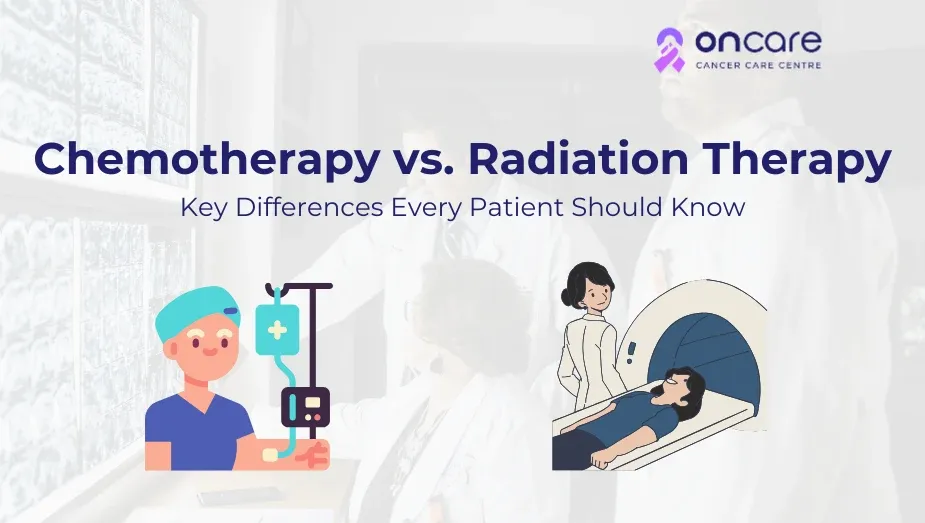
Targeted Therapy vs. Chemotherapy: Which is better?
Key Characteristics | Chemotherapy | Targeted therapy |
|---|---|---|
Scope of treatment | Broad spectrum treatment | Mutation specific treatment |
Side effects | More severe | Usually milder |
Personalization | Limited level of personalization | Highly personalized |
Resistance over time | Less common | More common |
Cost ranges | Lower ranges | Usually expensive |
Consult Today
Targeted therapy represents rapid progress made in the advancements of cancer care, especially in personalized cancer treatment. These treatments are highly effective and have fewer side effects. Chemotherapy continues to play a crucial role in many types of cancer treatments.
If you or any loved ones of yours are diagnosed with cancer, then visit Oncare Cancer Center and book an appointment with our cancer specialist today. Get an estimated cost of your cancer treatments today!
Frequently Asked Questions
What kinds of cancer are treated with chemotherapy?
Chemotherapy is used to treat several cancers, including blood cancers such as leukemia and lymphoma and solid tumors, including breast, lung, prostate, colon, ovarian, and cervical cancer. In some cases, chemotherapy can be used as a primary treatment to cure cancer or in combination with other treatments.
What kinds of cancer does targeted therapy treat?
In some cases, oncologists use targeted therapy to treat breast cancer, lung cancer and prostate cancer. These may be treatment option for:
- Blood cancers including multiple myeloma, acute leukemia, and non-Hodgkin lymphoma
- Bone and soft tissue cancers including soft tissue sarcomas
- Common digestive system cancers including colorectal cancer and esophageal cancer
- Female reproductive system cancer including cervical cancer and endometrial cancer
- Head and neck cancers including laryngeal cancer and nasopharyngeal cancer
- Skin cancers like melanoma and squamous cell carcinoma
- Thyroid cancers
- Urinary system cancers
Is targeted therapy better than chemotherapy?
Targeted therapy can be better than chemotherapy because it's selective and targets only cancer cells. But not every cancer needs targeted therapy; some might need chemotherapy treatment. In some cases, the combination of targeted therapy and chemotherapy works better than either treatment alone.
What are the side effects of targeted therapy?
Here are some of the side effects of targeted therapy, including:
- Blood clots
- Diarrhea
- Dry skin or skin rashes
- Increased liver enzymes
- Heart conditions (arrhythmias and cardiotoxicity)
- High blood pressure (hypertension)
- Losing hair colour
- Pulmonary fibrosis
- Wounds heal slowly