Table of Contents
What does Tongue Cancer Look Like?

By Prashant Baghel


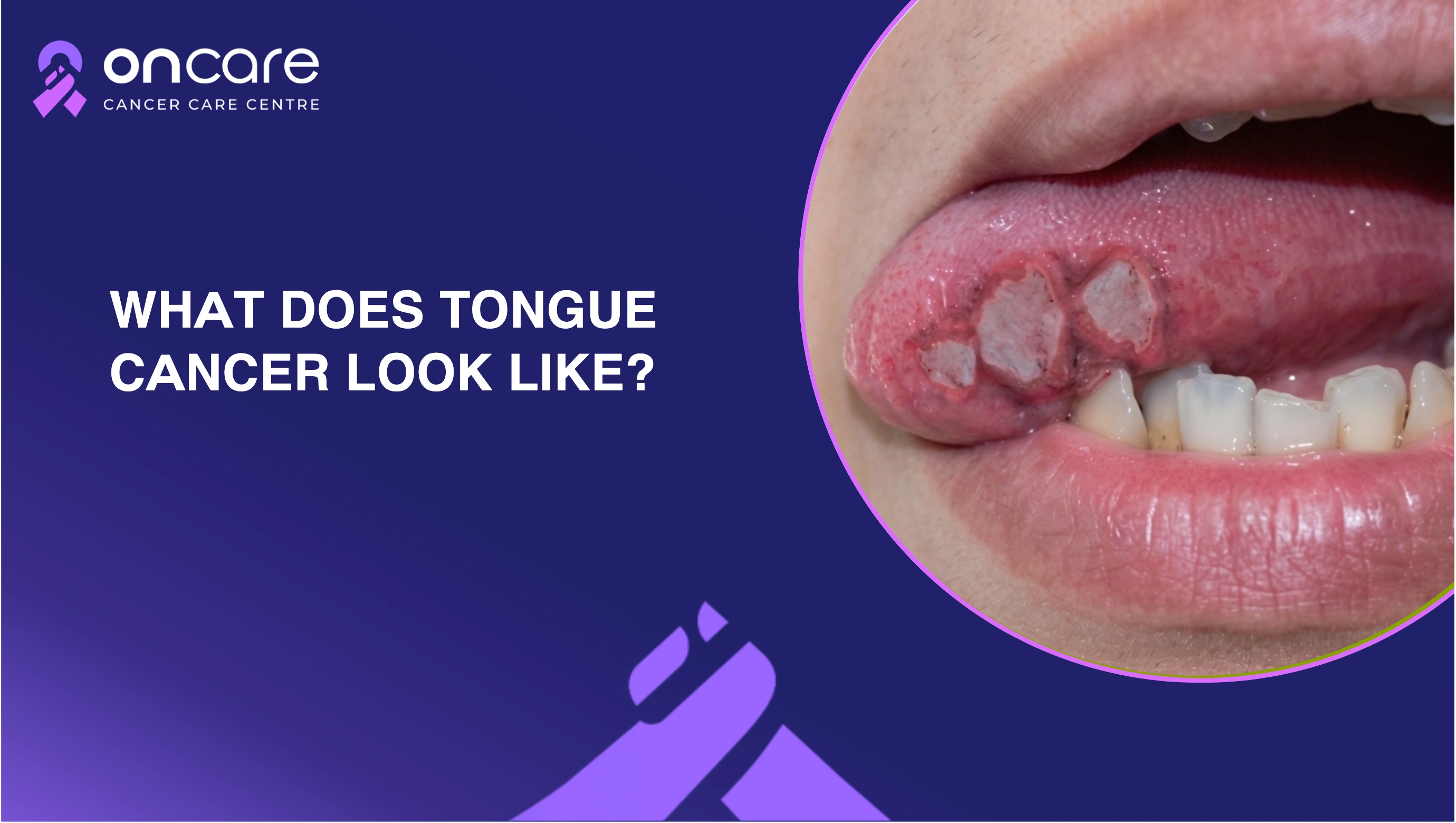
Have you ever seen a weird sore or spot on your tongue and wondered what it may be? Most of the time, these changes are not dangerous, but sometimes they can mean there is a serious problem. One example is tongue cancer, which starts in the cells of the tongue and can slowly spread if it isn’t caught early.
If you know what tongue cancer looks like, you can find it sooner and get medical care before it becomes worse. In this article, we will discuss the indications, symptoms, and ways to stay vigilant.
What You Need to Know About Tongue Cancer
Oral cancer that affects the tongue is called tongue cancer. It usually starts on the front of the tongue, but it can also appear on the sides or the base. It often begins with small abnormalities in the tissue of the tongue and can get worse over time.
People who smoke, drink heavily, or neglect oral hygiene are more likely to develop tongue cancer, but anyone can get it. It is very important to know what tongue cancer looks like because early detection makes treatment far more effective. Even if you don’t feel pain initially, noticing strange changes can save your life.
Signs of Tongue Cancer That Are Common
Many people ignore tongue cancer at first because it may not cause pain. Some common signs include:
- White or red spots in the mouth
- Sores that don’t heal after two weeks
- Lumps or thicker areas on the tongue
- Pain while chewing or swallowing
These signs might not be obvious at first, but paying attention to them helps catch problems early. Recognizing these symptoms helps you understand how tongue cancer looks like.
How the Tongue Changes
One of the most important things to know about how tongue cancer looks like is how the tongue changes visually. The changes can include:
Color Changes
White spots are called leukoplakia, while red patches are called erythroplakia.
Surface Changes
The tongue may become rough or uneven, with persistent small ulcers or open wounds.
Swelling and Lumps
Parts of the tongue may appear puffy or thicker than normal.
If you notice any of these changes, it’s important to see a doctor immediately. Recognizing these early signs is key to early treatment.
Pain and Discomfort
As the cancer progresses, you may feel pain while eating or talking. Some people may experience a burning sensation or numbness in the tongue. Even if pain isn’t present initially, any long-lasting discomfort should be checked by a doctor.
Things That Make Tongue Cancer More Likely
Knowing the risk factors can help you stay vigilant about changes in your mouth. The main risk factors are:
- Chewing tobacco, smoking, or using gutkha
- Heavy alcohol consumption
- Poor oral hygiene
- Infection with human papillomavirus (HPV)
- Age (more common in adults over 40)
Understanding these factors can make you more careful and aware of how tongue cancer looks like.
How to Tell if You Have Tongue Cancer
If you see changes in your tongue, a doctor may run several tests to confirm whether it is cancerous. These tests include:
- Examination of the mouth and tongue by touch
- Biopsy of the affected area
- Imaging studies such as MRI or CT scans
Knowing what tongue cancer looks like is crucial because early detection greatly improves the chances of successful treatment.
Early Signs of Tongue Cancer
In the beginning, tongue cancer may look like little spots or bumps. These can be red, white, or a mix of the two. At this point, there may be no pain, but it's crucial to notice these small changes to make a diagnosis.
Advanced Stage of Tongue Cancer
As the condition becomes worse, the tongue may get bigger ulcers, swell up a lot, and have edges that aren't straight. It may hurt to talk or swallow. In very bad cases, the lymph nodes and tissues adjacent may also be impacted.
Advanced Stage of Tongue Cancer
As the condition becomes worse, the tongue may get bigger ulcers, swell up a lot, and have edges that aren't straight. It may hurt to talk or swallow. In very bad cases, the lymph nodes and tissues adjacent may also be impacted.
When to See a Doctor
If you have a sore, patch, or lump on your tongue that doesn't go away after two weeks, you should see a doctor. Other warning indicators are pain that doesn't go away, trouble swallowing, bleeding, or numbness.
The sooner tongue cancer is found, the better the treatment works. Knowing what tongue cancer looks like can help you act quickly.
Choices for Treatment
The treatment depends on the stage of the cancer. Common options include:
- Surgery to remove the affected part of the tongue
- Radiation therapy to kill cancer cells
- Chemotherapy for advanced stages
In cases where a large portion of the tongue is affected, reconstructive surgery or speech therapy may also be suggested.
The Importance of Getting Treatment Early
Early-stage tongue cancer can often be successfully treated with minor surgery. This is why it is so important to know what tongue cancer looks like and to seek signs early. Advanced stages may require more aggressive treatments, which can be physically and emotionally challenging.
Changes in Lifestyle During Treatment
Patients should avoid smoking and alcohol, maintain good oral hygiene, and eat soft, healthy foods. Emotional support from family and friends is also very important for recovery.
Follow-Ups regularly
Even after successful treatment, regular check-ups are necessary to ensure the cancer does not return. Your doctor may recommend periodic scans, blood tests, or biopsies to monitor your health.
Consult Today
Tongue cancer can be frightening, but early detection and proper treatment can save lives. If you know what tongue cancer looks like, you can identify changes early and get medical attention immediately.
If you notice sores, spots, lumps, or pain in your tongue, don’t delay.
Oncare Cancer Hospital has modern facilities, expert doctors, and compassionate staff to provide diagnosis, advanced treatment, and complete care. If you or someone you love notices signs of tongue cancer, seek professional help without delay.
Frequently Asked Questions
If you have white or red patches, lumps, or sores on your tongue that don’t heal after two weeks, you may have tongue cancer.
No, early-stage tongue cancer may not hurt at all. As it progresses, pain usually develops.
Yes, early detection often allows successful treatment with minor surgery or radiation therapy.
See a doctor immediately for evaluation. Early action is critical for effective treatment.
Book an Appointment
Related Blogs
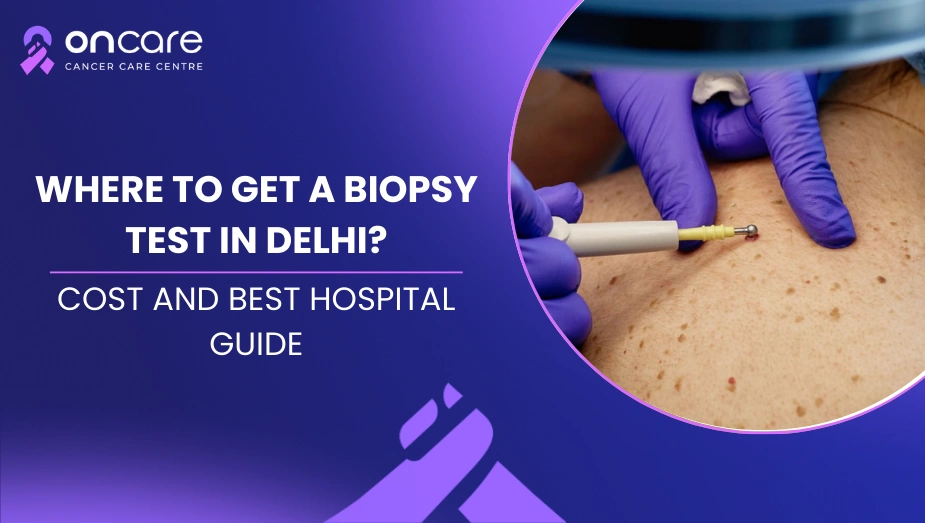
Where to Get a Biopsy Test in Delhi? Cost and Best Hospital Guide
Looking for a biopsy test in Delhi? Learn costs and the best hospitals, and get accurate results and why Oncare is a choice for patients who want to get a biopsy.
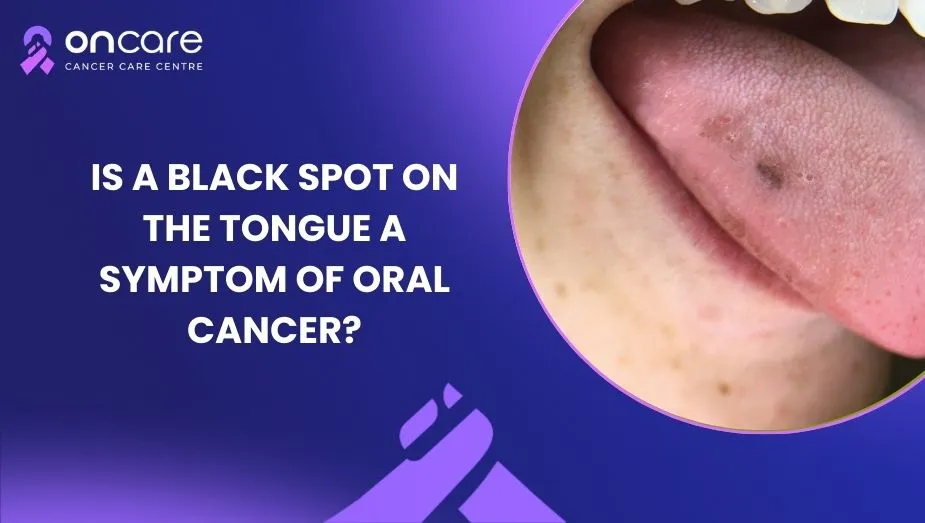
Is a Black Spot on the Tongue a Symptom of Oral Cancer?
A black spot on the tongue can be harmless or serious. Learn the causes, risk factors, symptoms, diagnosis, and when a black spot may need medical attention.
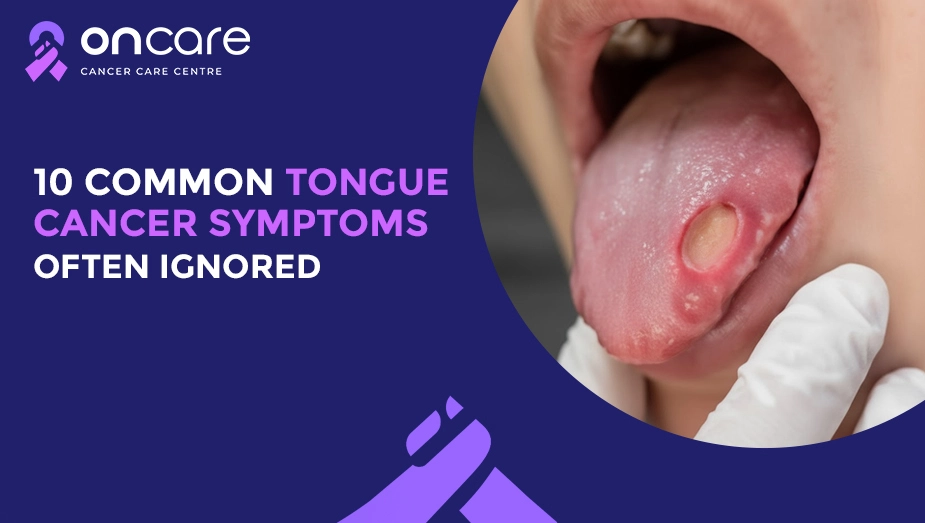
10 Common Tongue Cancer Symptoms Often Ignored
Explore more about Tongue cancer, type of tongue cancer and its most common 10 symptoms of these cancers people often ignored and why early detection matters!

Types of Oral Cancer: From Lip to Tongue and Beyond
Discover more about the types of oral cancer, from lip to tongue cancer and beyond, and risk factors for oral cancer and early warning signs to look out for.