Table of Contents
Types of Biopsy Used for Cancer Diagnosis

By Prashant Baghel



One of the most crucial things to do when doctors think someone has cancer is to perform a biopsy. A biopsy is when a small piece of tissue is taken from a suspected tumor or abnormal location and examined for cancer cells. It is very important to know what type of cancer you have, how advanced it is, and what the best treatment plan is based on the findings from a biopsy.
You could be worried or unsure about the biopsy process if someone recently told you to undergo one. This article will describe the several types of biopsy used to diagnose cancer, how each one works, and why it's important. Knowing what to expect will help you relax as you go forward on your path to improved health.
What is a Biopsy?
A biopsy is a medical test that takes a small piece of tissue from a part of your body that looks worrisome. After that, a microscope is used to look for symptoms of cancer or other diseases in the tissue sample. A biopsy is done to find out if someone has cancer, what kind it is, and how bad it might be.
Depending on where the tumor is and what kind of cancer is suspected, there are several techniques to perform a biopsy. Different types of biopsy methods are employed depending on how easy it is to access the abnormal tissue. Doctors get vital information from each method that helps them make decisions about treatment.
Different Kinds of Biopsy
There are different types of biopsy that doctors employ to find cancer. The sort of biopsy that is best for a patient depends on factors such as where the tumor is, how sick the patient is, and what kind of cancer they suspect. Some of the most common types of biopsy are:
Needle Biopsy
The needle biopsy is one of the most popular ways to perform a biopsy. A long, thin needle is used in this technique to take a small piece of tissue from the area of concern. There are many methods to perform needle biopsies, depending on how the needle is inserted.
Fine Needle Aspiration (FNA)
Fine Needle Aspiration (FNA) takes a small sample of tissue or fluid with a very thin needle. FNA is usually performed on lumps or masses that are easy to reach, like those in the breast, thyroid, or lymph nodes. To ensure the procedure is accurate, imaging tools like ultrasound or CT scans are often used to guide it.
Core Needle Biopsy
The needle used in Core Needle Biopsy is slightly bigger than the one used in FNA. This needle takes a larger piece of tissue, which helps doctors get a better view of how the cells are structured. Core needle biopsy is a common method for diagnosing breast, prostate, or liver cancer. Like FNA, it is typically performed with imaging to ensure it is accurate.
Biopsy Using an Endoscope
Endoscopic biopsies are done when a tumor or abnormal tissue is found in places that are difficult to reach with a needle, such as the lungs, digestive tract, or urinary system. Doctors use a flexible tube with a camera called an endoscope for this kind of biopsy. To view the abnormal tissue, the endoscope is inserted through a natural opening in the body, like the mouth, nose, or anus.
After locating the area, a small tool is passed through the endoscope to take a sample. This method is often used to diagnose cancer of the colon, lungs, or esophagus.
Surgical Biopsy
A surgical biopsy may be needed in some circumstances, especially if a needle or endoscope cannot reach the tumor. A surgical biopsy involves removing a small piece or the entire tumor for examination. There are two types of surgical biopsies:
Incisional Biopsy
An incisional biopsy only removes part of the tumor. This is done when the tumor is too large or hard to remove completely. The tissue sample is then analyzed in the lab to see if it contains cancer cells.
Excisional Biopsy
An excisional biopsy is more invasive since it removes all of the tumor or abnormal tissue. This method is often used on smaller tumors or masses that are easy to reach. An excisional biopsy can serve as both a way to diagnose the problem and treat it, as removing the entire tumor can help address the condition.
Bone Marrow Biopsy
Leukemia and lymphoma are two types of cancer that affect the bone marrow. Bone marrow biopsies are utilized to detect these cancers. A needle is used to take a small sample of bone marrow from the hip bone during this procedure. The sample is then examined to check for cancer cells. This biopsy helps doctors figure out how far the cancer has spread and whether it is affecting the bone marrow.
Liquid Biopsy
Liquid biopsies are an innovative way to detect cancer that is less invasive than other methods. A liquid biopsy doesn't take tissue; instead, it involves drawing a blood sample to check for genetic material associated with cancer. Liquid biopsies are still being researched for certain types of cancer, but they appear to be highly useful in detecting some cancers, especially when tissue biopsies are not possible.
How Do Biopsies Help Doctors Diagnose Cancer?
Biopsies are extremely important for finding out if someone has cancer. A biopsy takes samples and looks closely at them to see if cancer is present. If cancer is diagnosed, the biopsy can also provide valuable information about the type of cancer, how aggressive it is, and its molecular features.
Based on this information, doctors construct a treatment plan that is tailored to each patient. For example, knowing what type of cancer a person has helps doctors decide which treatment—chemotherapy, radiation, or immunotherapy—will work best.
Oncare Cancer Hospital: The Best Place to Get Cancer Treatment
Oncare Cancer Hospital has the best cancer treatments available if you or a loved one has been diagnosed with the disease and needs expert care. Oncare creates personalized treatment regimens for each patient based on their specific needs. They do this with the help of cutting-edge technology and a team of skilled professionals. Oncare Cancer Hospital is here to support you every step of the way with your cancer journey, whether you need a biopsy to determine if you have cancer or full treatment.
Consult Today
Biopsies are a critical part of diagnosing cancer. They help doctors confirm whether cancer is present, identify what type it is, and determine how aggressive it is. Depending on where the cancer is located and what kind it is, various types of biopsy are used. These include needle biopsies, endoscopic biopsies, surgical biopsies, bone marrow biopsies, and liquid biopsies. Each method provides important information that helps doctors create the best treatment plans for their patients.
Oncare Cancer Hospital is the place to go for the best cancer diagnosis and treatment. Oncare ensures you receive the best possible care for your condition by using state-of-the-art technology, employing a qualified medical staff, and providing personalized care.
Frequently Asked Questions
Needle biopsy, particularly Fine Needle Aspiration (FNA) or Core Needle Biopsy, is a prevalent technique employed for cancer diagnosis, particularly for tumors that are easily accessible.
It can take anywhere from a few days to a week to get the results of a biopsy. Your doctor will tell you when to expect your results.
A lot of biopsies don't hurt much. Local anesthetic is frequently used to numb the area, and patients may feel some pain or pressure. After the procedure, it is normal to feel some pain or soreness, but you can use over-the-counter pain medication to help.
Biopsies are the most reliable technique to find out if someone has cancer, but doctors may also use imaging tests (such as CT scans or MRIs) and blood tests to help confirm the diagnosis. A biopsy is still the best way to find out if you have cancer.
Book an Appointment
Related Blogs
Where to Get a Biopsy Test in Delhi? Cost and Best Hospital Guide
Looking for a biopsy test in Delhi? Learn costs and the best hospitals, and get accurate results and why Oncare is a choice for patients who want to get a biopsy.
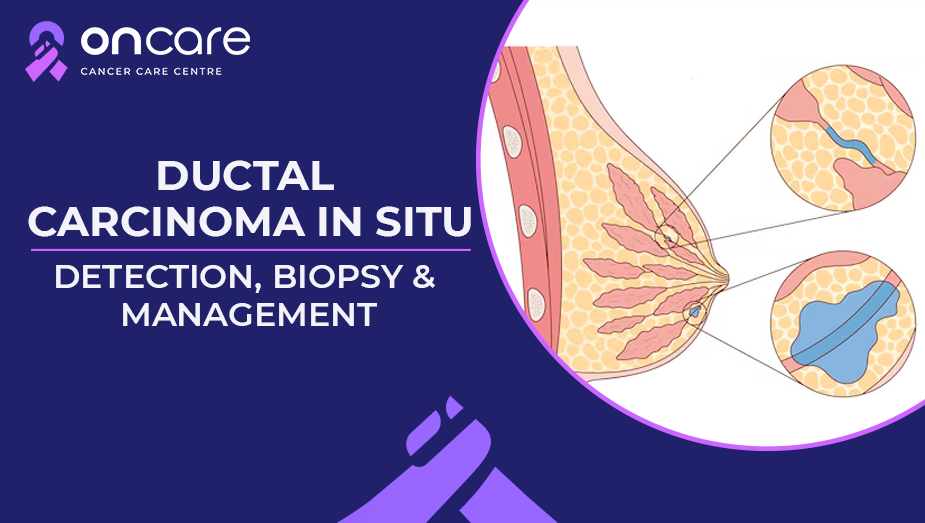
Ductal Carcinoma In Situ: Detection, Biopsy & Management
Learn more about ductal carcinoma in situ and the importance of diagnosis, biopsy, and its management and treatment options, and living with the DCIS condition!
Stomach Cancer Test Guide: From Endoscopy to Biopsy
Learn how a stomach cancer test works, including endoscopy, biopsy, scans, and blood tests. Understand why early testing matters and when to get checked for stomach cancer symptoms.
How to Detect Cancer: From Blood Tests to Biopsy Explained
Learn how to detect cancer through blood tests, scans, and biopsies. This simple guide explains signs, early detection, and what to expect during testing.