Table of Contents
What is the Survival Rate of Liver Cancer?

By Prashant Baghel


When someone hears the words "liver cancer," one of the first things they think about is how to stay alive. People naturally want to know how bad the condition is and what the future holds. At first, the survival rate for liver cancer may sound scary, but it's crucial to know what these numbers really represent. Survival rates don't tell you what will happen to one person. They are rough guesses based on a lot of patients.
This article will talk about the survival rate of liver cancer in simple, easy-to-understand terms. You will learn how to measure survival rates, how they change at each stage, and what you can do to make things better.
What You Need to Know About the Liver Cancer Survival Rate
The liver cancer survival rate informs us how many people are still living a specific number of years after being diagnosed with the disease. When doctors refer to five-year survival rates, they mean how many people live for at least five years after being diagnosed.
These estimates are based on data from the past and don't take into account new treatment breakthroughs. A lot of people today perform better than earlier statistics say, especially if they get diagnosed early and get competent care.
The chances of survival also vary a lot from person to person.
How to Figure Out Survival Rates
Researchers look at big groups of people with liver cancer to figure out how many of them will live. Doctors keep track of how long people live once they are diagnosed and use that information to make averages.
These rates don't take into account things like your overall health, how well you respond to treatment, or how easy it is for you to get advanced care. This is why you shouldn't take survival numbers as a personal outcome.
Comprehending this alleviates fear and bewilderment.
Liver Cancer Survival Rate by Stage
One of the most critical things that affects how long someone with liver cancer will live is what stage the malignancy is in. Outcomes are frequently better in earlier phases.
Early-Stage Liver Cancer Survival Rate
If liver cancer is diagnosed early and only affects the liver, the chances of survival are substantially higher. There may be treatment alternatives, including surgery or a liver transplant.
At this point, many people with the condition live for several years, and others can keep it under control for a long time.
Rate of Survival for Liver Cancer That Has Spread Locally
At this point, the cancer may have gotten bigger or impacted blood vessels close by, but it hasn't gone too far. Survival rates are lower than in the early stages, however, treatment can still limit the disease's course.
Many people survive longer because of targeted therapy and other treatments.
The Chance of Living With Advanced Liver Cancer
Advanced liver cancer signifies that the cancer has spread to other regions of the body. At this point, the chances of survival are decreased, although treatment can still make life longer and more comfortable.
With the right care and control of their symptoms, many people live for months or even years.
Things That Affect How Long People With Liver Cancer Live
Cancer stage is not the only thing that affects survival. There are a number of personal and medical aspects that come into play.
The Health of Your Liver and Your Overall Health
People who have healthier liver function usually have a better chance of living longer. Cirrhosis and other conditions can make treatments less effective.
Patients also do better with treatment when they are generally strong.
The Kind of Liver Cancer and How the Tumor Acts
Some liver cancers grow slowly, while others grow quickly. Tumors that develop slowly often respond well to treatment.
The number and size of tumors also have an effect on how long people live.
How Well the Treatment Works
How effectively treatment works on cancer has a huge effect on how long people live. Better results happen when tumors shrink or cease growing.
Early response frequently leads to a longer life.
How Treatment Increases Chances of Survival
Treatment is a big part of raising the survival rate for liver cancer. Medical progress has made a big difference in the results.
Surgery and a Liver Transplant
The best way to live for a long time in the early stages is to have surgery to remove the tumor or a liver transplant.
These choices aren't right for everyone, but they can change your life if you can.
Targeted Therapy and Immunotherapy
Modern treatments are better at targeting cancer cells. Immunotherapy helps the body fight cancer.
These medicines have made people live longer, especially in the later phases.
Care and Support for People Who Are Sick
Supportive care helps keep you strong and manage your symptoms. Doctors can immediately change treatment if they check on patients regularly.
Good supportive care helps people live longer and better lives.
Why It's Important to Find Out Early
One of the best ways to improve survival rates is to find the disease early. It's easier to treat and control liver cancer if it's identified early.
People who have liver illness should get regular exams and tests. Finding cancer early gives you additional alternatives for treatment.
Knowing the signs and getting medical help on time can save lives.
How Survival Statistics Affect Your Emotions
It might be scary and stressful to read about survival rates. It's easy to feel overwhelmed by numbers, especially when you don't know what they mean.
Keep in mind that survival rates are generalizations, not specific predictions. With contemporary care, a lot of people live longer than they thought they would.
When you talk to doctors freely, it helps you understand the numbers better.
Living Outside of the Numbers
A lot of people with liver cancer care more about living well than just survival rates. It's really important to have a good quality of life, be comfortable, and spend time with loved ones.
Having family, doctors, and care teams on your side makes a tremendous impact. Every year, new treatments make things better.
There is still hope, even when the numbers look bad.
Conclusion
Several things affect the survival rate of liver cancer, such as the stage of the disease, the quality of the liver, and how well the treatment works. Even though the chances of survival may seem low in advanced stages, finding the disease early and using contemporary treatments have made a big difference. Survival rates don't tell you what each person can do; each person's journey is different.
Oncare Cancer Hospital has experienced doctors, advanced treatments, and tailored care that focuses on enhancing quality of life and survival.
Frequently Asked Questions
No, the rates of survival depend on the stage of the disease, the quality of the liver, and how well the treatment works.
Surgery or a transplant can sometimes cure early liver cancer.
Yes, new medicines like immunotherapy have made survival rates better.
Statistics might help you decide how to care for someone, but you should always talk to a doctor about your own treatment options.
Book an Appointment
Related Blogs
Can You Survive Metastatic Liver Cancer?
Learn whether survival is possible with metastatic liver cancer, what survival really means, treatment options, and how quality of life can be improved.
Diet for Liver Cancer Patients
Learn about the best diet for liver cancer patients, including healthy foods to eat, foods to avoid, managing appetite during treatment, and how proper nutrition supports recovery and strength.
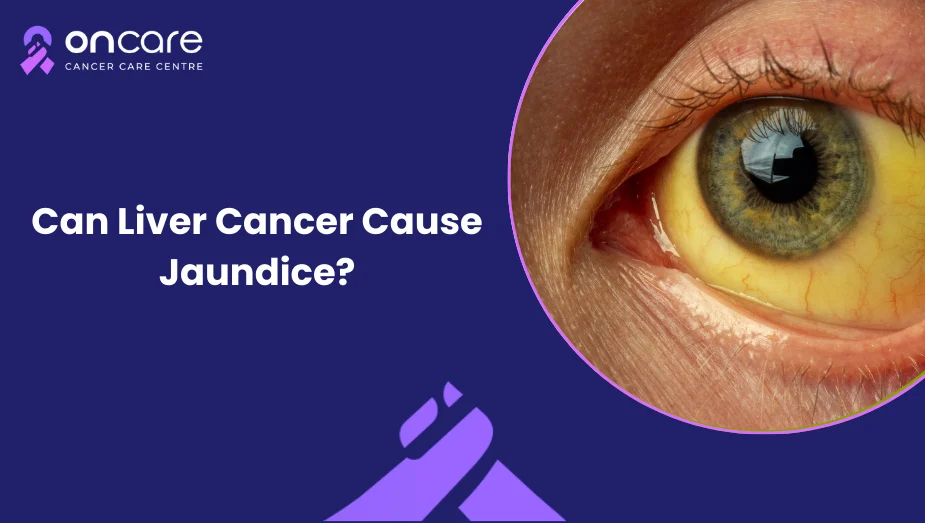
Can Liver Cancer Cause Jaundice?
Liver cancer can cause jaundice when bile ducts are blocked or liver cells are damaged. Learn why yellow eyes and skin happen, what it mean, and when to see a doctor.
Is a Cure Possible for Breast Cancer Metastatic to the Liver?
Breast cancer that has spread to the liver is usually not curable, but modern treatments can control the disease and help patients live longer with a good quality of life.