Table of Contents
Can Endoscopy Detect Stomach Cancer? What You Should Know

By Dr. Gajendra Kumar Himanshu


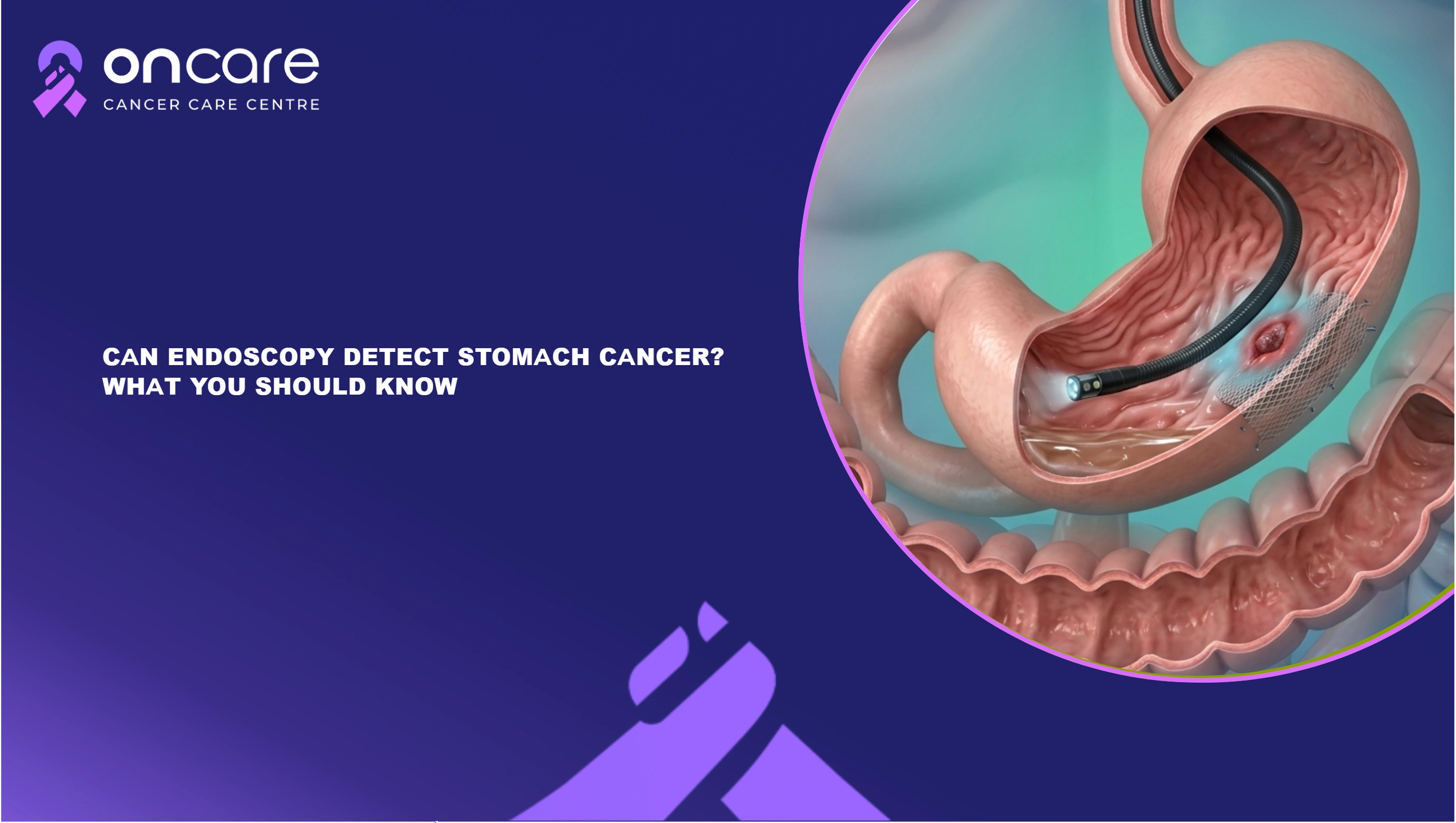
"Is this just acid, or is it something worse?" A lot of individuals ignore stomach pain that doesn't go away, thinking it's only a small digestive problem. The question becomes more essential than ever when symptoms don't go away. An endoscopy is a common test that doctors suggest in these cases.
It can be uncomfortable or even alarming to think of putting a camera inside your body. Of course, people are curious if this test can actually find anything as dangerous as stomach cancer. Yes, and in many circumstances, it is quite important for making an early diagnosis.
This article will talk about how endoscopy works, if it can find stomach cancer, what signs it looks for, how accurate it is, and when you should think about getting one.
What is cancer of the stomach?
Gastric cancer, or stomach cancer, starts in the lining of the stomach. It usually starts with minor changes in the inner layer and may get bigger with time.
The World Health Organization says that stomach cancer is one of the most common causes of cancer deaths around the world. This is mostly because it is often found at a later stage. Early diagnosis greatly increases the chances of successful treatment.
What does endoscopy mean?
Doctors can look into your digestive tract with a tiny, flexible tube with a camera on the end. This is called endoscopy. This tube goes slowly into the mouth and into the stomach.
Upper gastrointestinal endoscopy is the most common type of stomach examination. It gives clinicians a clear, real-time look at the esophagus, stomach, and the start of the small intestine.
Can an endoscopy find stomach cancer?
Yes, endoscopy is one of the best ways to find stomach cancer. It lets doctors see any strange spots on the lining of the stomach right away.
Seeing Detection
During the operation, doctors check for strange growths, ulcers, or inflammatory spots that could be signs of cancer or alterations that could lead to cancer.
Confirmation of the biopsy
If something looks suspicious, a small piece of tissue (a biopsy) can be taken at the same time. Then, a lab tests this sample to see if it has cancer cells in it.
The Benefit of Early Detection
Endoscopy can find cancer early, sometimes even before symptoms show up. This makes it a very useful tool for diagnosis.
What Signs Are Looked For During Endoscopy?
Endoscopy can help find obvious abnormalities in the stomach that could mean cancer.
Unusual Growths
Lumps or lumps that are not typically there.
Ulcers That Don't Go Away
If you have ulcers that don't go away even after therapy, that could be a symptom.
Stomach Lining That Is Too Thick
An unusual thickening of the stomach walls could be a sign of an illness.
Areas of Bleeding
Places that display internal bleeding for no evident explanation.
Signs That Might Call for an Endoscopy
When some symptoms last for a long time or get worse, doctors frequently suggest an endoscope.
Indigestion that won't go away
Stomach pain or burning that doesn't go away.
Hard to Swallow
Having the feeling that food is trapped in your throat.
Weight Loss Without an Explanation
Getting thinner for no evident reason.
Feeling sick or throwing up
Happens often, especially if there is blood in it.
Pain in the stomach
Pain that doesn't go away or keeps coming back.
You can also look into materials from the Indian Council of Medical Research for reputable medical advice in India. This group raises awareness and keeps people up to speed on cancer detection and prevention.
How good is endoscopy at finding stomach cancer?
Endoscopy is thought to be quite accurate, especially when used with a biopsy. It lets you see things directly, which makes it more dependable than many imaging examinations.
But, like any other medical operation, it isn't perfect. Follow-up testing is necessary if symptoms don't go away because they can occasionally miss very early or concealed malignancies.
Pros and Cons of Endoscopy: Pros and Cons
Aspect | Pros | Cons |
|---|---|---|
Detection | Looks directly at the lining of the stomach | May miss very early changes |
A biopsy | Let's take samples of tissue | Needs to be confirmed by a lab |
Correctness | High when used with a biopsy | It depends on how good the doctor is |
Steps | Not very invasive | Possible little pain |
Time | Fast process | Preparation required |
What You Can Expect While the Procedure Is Going On
Most of the time, endoscopy is done as an outpatient treatment. The patient is given a little sedative to assist them in relaxing before the procedure starts.
Then, the doctor delicately slides the flexible tube past the mouth and into the stomach. It is possible to look closely at the photographs because the camera delivers them to a screen.
The process usually takes between 15 and 30 minutes. The patient may have a little throat pain afterward, but they normally get well quickly.
When Should You Think About Getting an Endoscopy?
If your symptoms last for more than a few weeks or keep coming back, you should think about undergoing an endoscopy. If you see warning signals like losing weight for no reason, blood in your vomit, or trouble swallowing, it's even more crucial.
People whose family members have had stomach cancer or long-term digestive problems should also talk to their doctor about screening possibilities.
Consult Today
Endoscopy is a very effective and dependable way to find stomach cancer, especially in its early stages. The thought of surgery may seem scary, but it's quick, safe, and often saves lives when done at the right time.
Paying attention to your symptoms and getting medical help early can make a big impact. If you have ongoing digestive problems or are worried about stomach cancer, don't wait to get checked out.
Oncare Cancer Hospital is regarded for having some of the best treatment options for patients with stomach cancer, as it has skilled physicians and provides compassionate care.





Frequently Asked Questions
Yes, endoscopy can find cancer in its early stages, especially when used alongside a biopsy.
It normally doesn't hurt. The patient may feel some mild discomfort, but sedation helps them stay calm.
The process usually takes 15 to 30 minutes.
Yes, you could be told not to eat or drink anything for a few hours before the test.
Written and Verified by:
Dr. Gajendra Kumar Himanshu Exp: 10 Yr
Medical Officer
Book an Appointment
Related Blogs
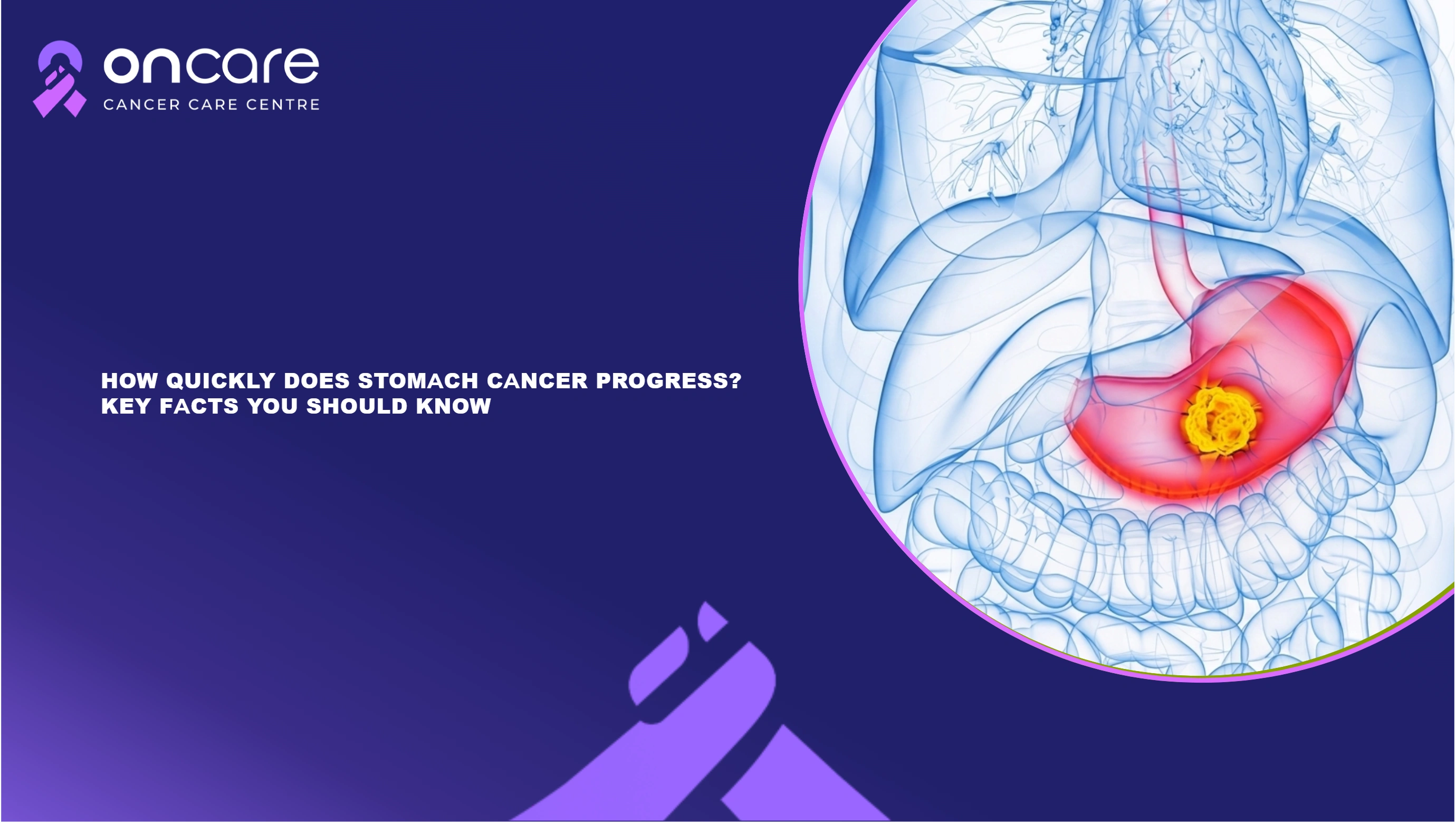
How Quickly Does Stomach Cancer Progress? Key Facts You Should Know
Learn how fast stomach cancer can grow and spread, signs to watch, and treatment options to slow it. Get expert care at Oncare Hospital for early detection.
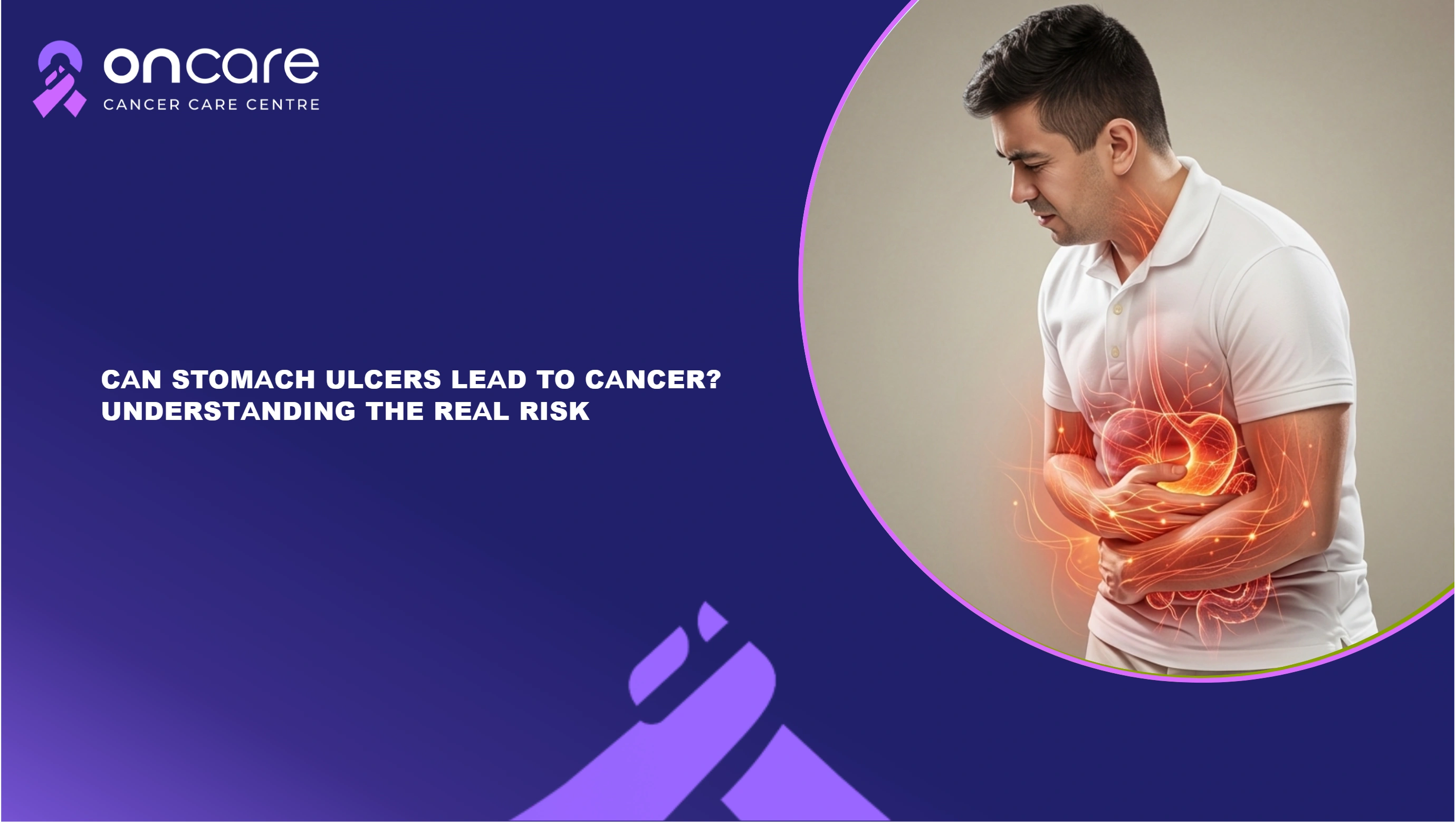
Can Stomach Ulcers Lead to Cancer? Understanding the Real Risk
Learn if stomach ulcers can cause cancer and how early treatment helps. Get expert guidance and care from Oncare Cancer Hospital for the best outcomes.
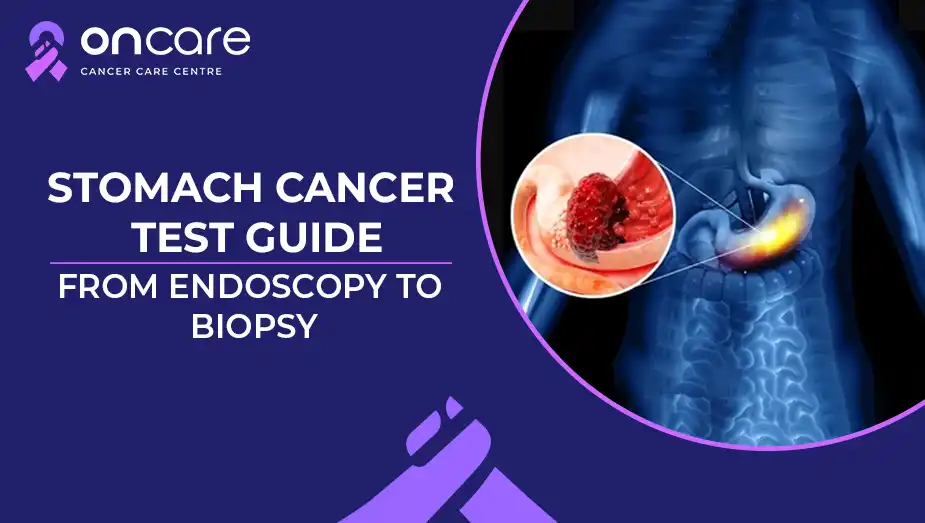
Stomach Cancer Test Guide: From Endoscopy to Biopsy
Learn how a stomach cancer test works, including endoscopy, biopsy, scans, and blood tests. Understand why early testing matters and when to get checked for stomach cancer symptoms.
How Pancreatic Cancer Is Diagnosed: Key Tests You Should Know
Learn how pancreatic cancer is diagnosed with CT scan, MRI, biopsy, EUS, and blood tests. Early detection improves outcomes, and consult Oncare Hospital today.